



RIYADH: With the G20 2020 presidency Saudi Arabia has demonstrated that the health and welfare of the people is a top priority, and has undertaken all necessary steps to control the spread of the coronavirus, according to Indian Ambassador to the Kingdom Ausaf Sayeed.
In an interview with Arab News the envoy said: “The conduct of a very successful Hajj under extraordinary circumstances, bearing in mind all the health protocols, was a shining example of this.”
On managing the G20 amid the pandemic, he said: “The swift decision to organise a virtual summit in March 2020, when the dangers of the pandemic were just beginning to emerge globally, is evidence of the fact that the Kingdom handled the situation admirably.
“While the world would have hoped for a summit which would have brought all the leaders together in one place and experience the generous hospitality of the Kingdom, the decision to hold the summit virtually, bearing in mind the dangers of the pandemic that continue to linger, is well appreciated,” Sayeed added.
On shouldering the responsibility to help the world move forward and the importance of the summit in Riyadh, the Indian envoy said: “Given the uncertainty caused by the pandemic, the role of the G20 has increased manifold.
The health, economic and social impact globally of COVID-19 needs coordinated efforts towards solutions that a platform like the G20, which includes two-thirds of the world’s population and 85 percent of the global economy, is well suited to deliver.” 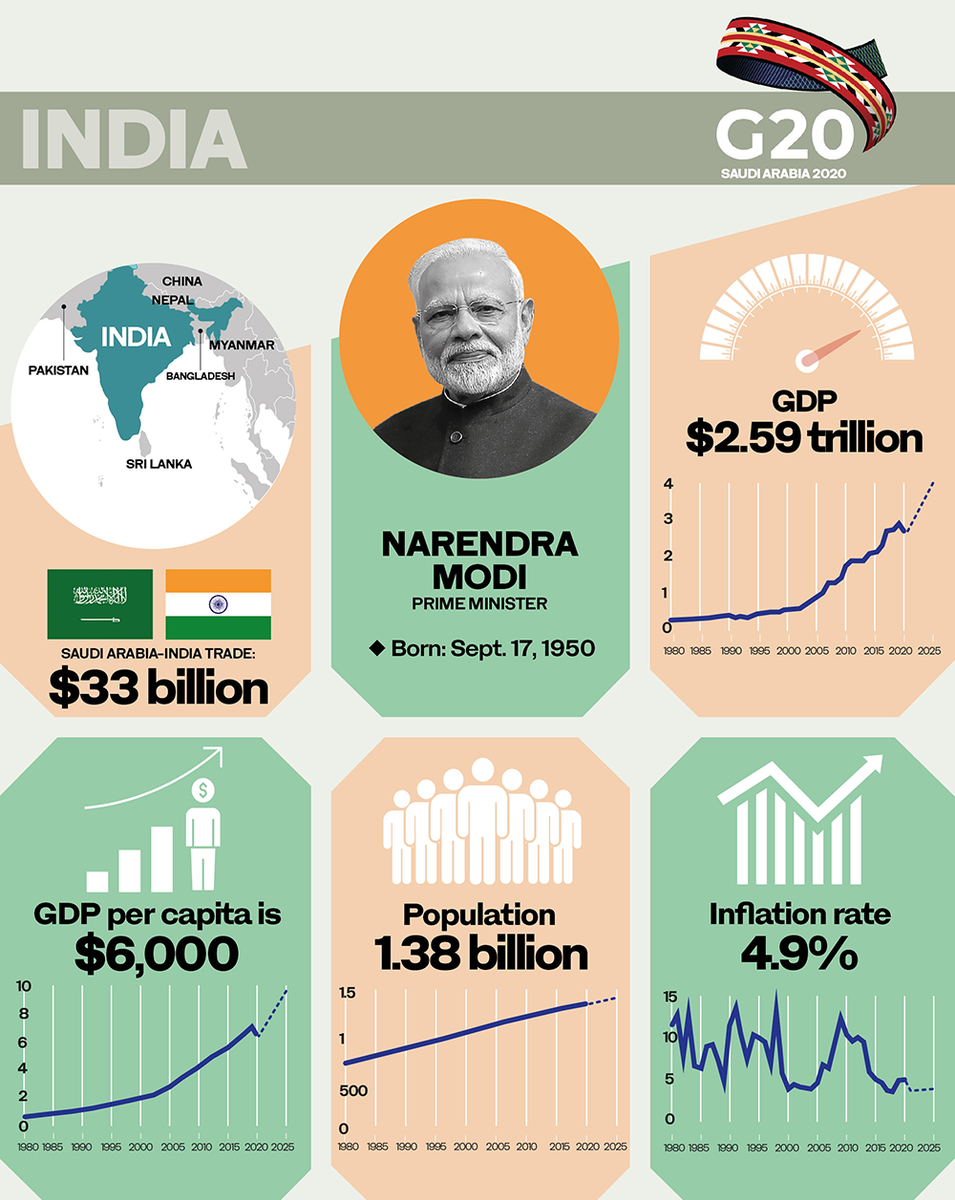
The economic impact of the pandemic on all affected countries has exposed the challenges that we continue to face in terms of poverty and inequality, he said. As we have seen, the pandemic knows no national boundaries, and has affected the poorest the most. Apart from the tragic loss of lives, there has been an economic slowdown that has severely affected the livelihoods of the most vulnerable.
The expectation from the Riyadh G20 presidency, held under the theme “Realizing Opportunities of the 21st Century for All,” is that a consensus will be built around the steps that the world, led by the G20 countries, will take to transition towards economic recovery that will help people regain lost livelihoods and provide the healing touch to those most severely affected by the pandemic, he explained.
It can also build systems and strategies that will better prepare the world for the challenges of the future.
On the hosting of the G20 Summit in Riyadh — the first time by an Arab country — the envoy said: “Saudi Arabia being the largest economy in one of the most important geopolitical regions of the world, it is only fitting that the G20 Summit is being hosted by the Kingdom at this critical moment.”
Apart from being one of the world’s foremost producers and exporters of energy, Saudi Arabia is transforming rapidly under the Vision 2030 through diversification of its economy and development of a vibrant society under the wise and able leadership of King Salman and Crown Prince Mohammed bin Salman.
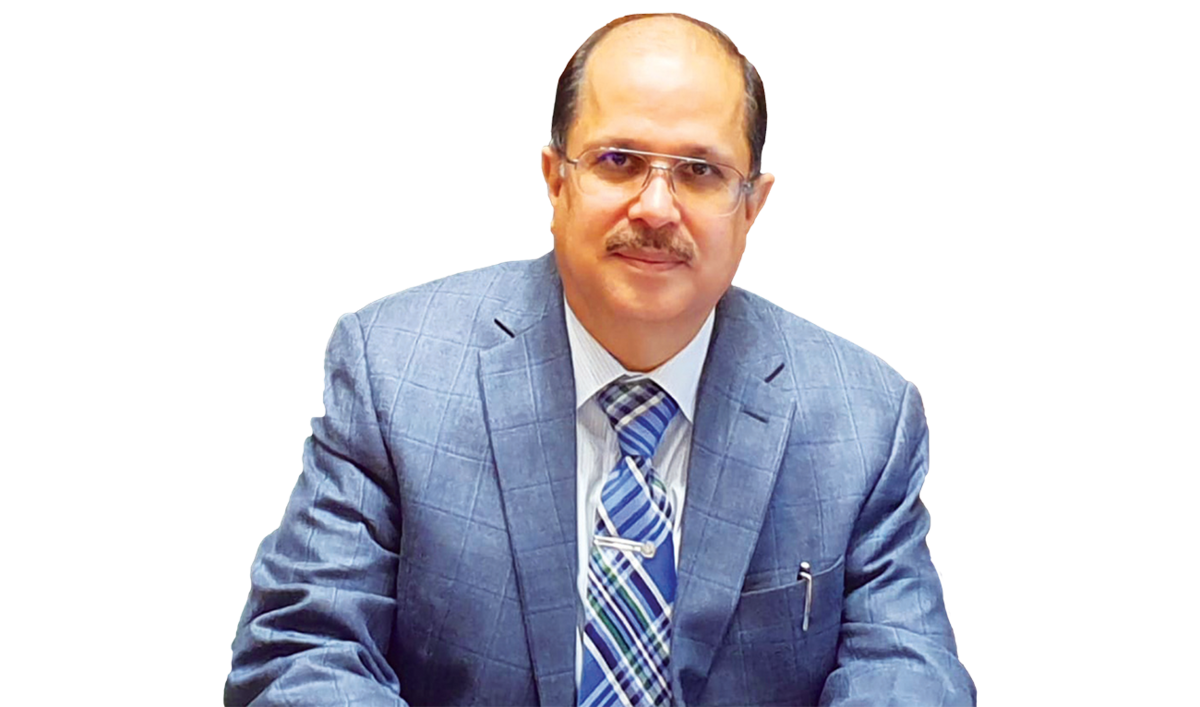
Indian Ambassador to Saudi Arabia Ausaf Sayeed.
“The G20 presidency during these challenging times is yet another testimony to the significant leadership role that the Kingdom has played and will continue to play in dealing with the most pressing issues that matter to the entire world,” the envoy said.
He went on to say that India shares an excellent history of relations with Saudi Arabia, and the two countries have seen many high-level visits in recent years that have progressively transformed the bilateral relationship into a strategic partnership.
On the economic front, Saudi Arabia is India’s fourth-largest trading partner and supplies around 18 percent of India’s crude oil requirement and 30 percent of its LPG needs, he said.
There is even greater scope to increase trade and investments between the two countries, he added. There are several sectors in which India and Saudi Arabia can work closely in the post-pandemic world.
In the virtual summit in March, Prime Minister Narendra Modi elaborated on India’s role in forging a collaborated response against COVID-19, he added.
Thanks to its leadership in medical research and pharmaceuticals, India is playing its part in the global fight against the pandemic, as a “pharmacy to the world,” delivering medicines and equipment to countries that need them the most. It is also at the forefront of vaccine development, he added.
As an important member of the G20 and as a developing country with one-sixth of the global population, India’s focus is on ensuring growth through the development of fair and equitable systems and frameworks.
Sayeed said: “The G20 provides an important platform for both India and Saudi Arabia to work even more closely on various issues, with particular focus on those that concern developing countries the most.”
“This is particularly significant as India is set to assume the G20 presidency in 2022, the 75th year of its independence, and continue to take forward the agenda of global cooperation,” he added.


