COLOMBO: Sri Lanka’s parliament was closed on Monday in order to disinfect the premises after a police officer at the complex tested positive for the coronavirus amid a new surge of the virus in the country.
Parliament was closed for two days as a precautionary measure so the premises can be disinfected, said Narendra Fernando, the Parliament’s sergeant of arms. Close associates of the officer were also tested, with the results expected later Monday. An additional 22 Parliament staffers will be tested on Tuesday, Fernando said.
Sri Lanka has seen a fresh outbreak of the virus since early this month, when a new cluster emerged centered at a garment factory near Colombo, the capital.
On Monday, 351 new cases were confirmed in the Indian Ocean island nation. Most of the new infections are related to the garment factory cluster, which has grown to 4,400 cases, more than half the country’s total of 7,872. One fatality was reported on Sunday, raising Sri Lanka’s death toll to 16.
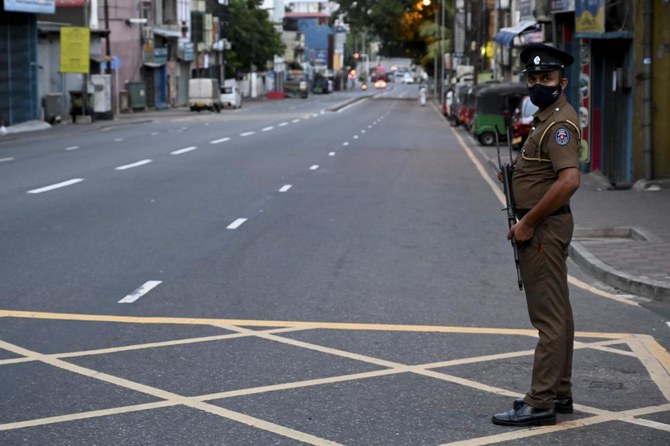
In a bid to contain the spread, the government has imposed curfews in many parts of densely populated Western province, where the garment factory and Colombo are located, and where most new cases have been detected.
The government also has closed schools, banned gatherings and imposed restrictions on public transport across the entire country.


![]()

Sri Lanka shuts parliament after coronavirus case detected
Short Url
https://arab.news/gxz9b
Sri Lanka shuts parliament after coronavirus case detected
- Parliament was closed for two days as a precautionary measure so the premises can be disinfected


Latest updates


Recommended


© 2026 SAUDI RESEARCH & PUBLISHING COMPANY, All Rights Reserved And subject to Terms of Use Agreement.