



DUBAI: After a period of quiet months and lockdowns imposed by the coronavirus disease (COVID-19) pandemic, Dubai’s cultural scene is slowly picking up again. This week welcomes the sixth edition of World Art Dubai, branded as “the region’s largest affordable retail art fair,” which will be showcasing over 3,000 artworks by contemporary artists from the UAE and abroad.
Among the participating exhibitors this year is Spanish artist Jose Carlos Villarejo García, who previously took part in Sharjah’s Islamic Art Festival. As he explained to Arab News in an interview, showing his artistry to Dubai audiences is particularly special to him. “It is my first time in Dubai and my first time as part of World Art Dubai,” he said. “For me, it is a great opportunity to share my art with Dubai. I feel very happy and very close to Arab culture.”
Having familiarized himself with the culture of the UAE, García shared that his recent works were inspired by certain visual elements, such as colors and clothing materials, seen around Dubai. “I was inspired by the everyday things and houses of Dubai,” he said.
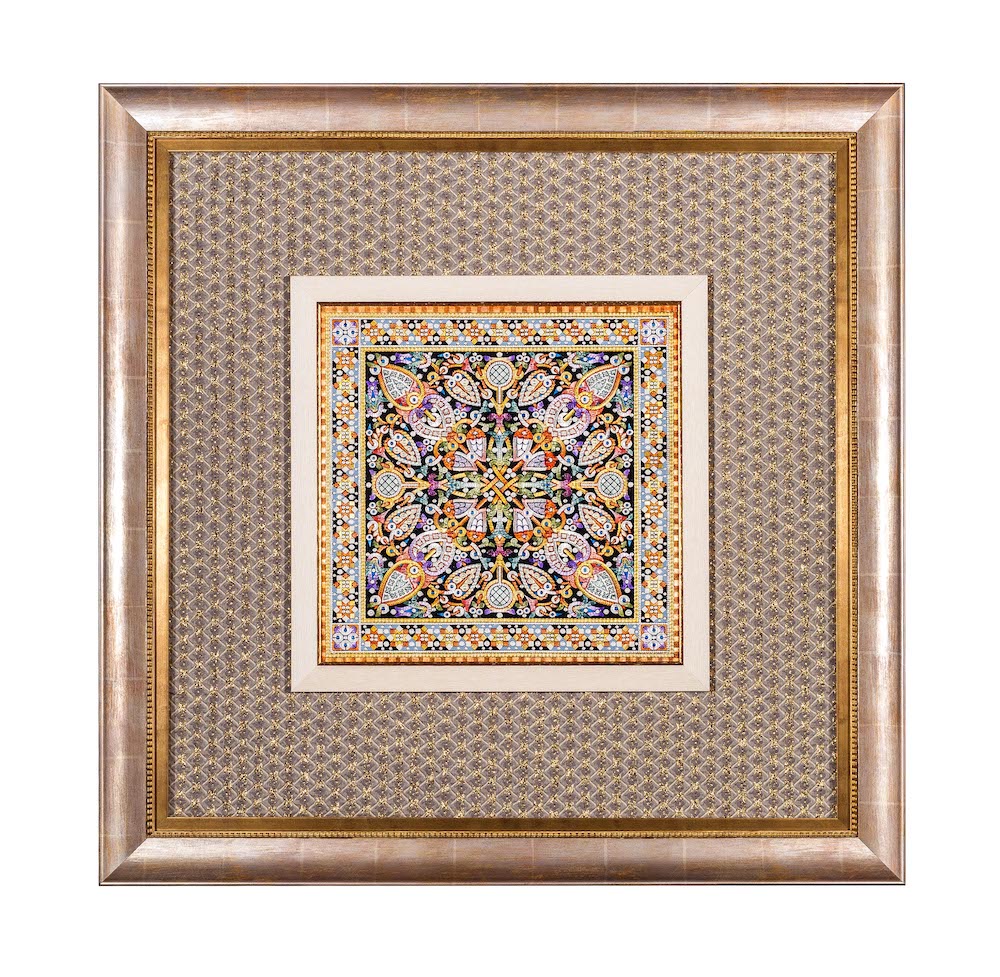
García specializes in an intricate and ancient form of art known as Islamic Guadameci (gilt leatherwork). Supplied
Born in the Andalusian city of Córdoba in 1980, García specializes in an intricate and ancient form of art known as Islamic Guadameci (gilt leatherwork), which features vibrant juxtapositions of colors and golden and silver leaves, rendering geometrical, repeating patterns on tanned sheepskin or ram leather. According to García, this technique was further enhanced under Arab rule in Spain by the Umayyad dynasty during the 10th century, “turning craftsmanship to art.”
“In my city of Córdoba,” he explained, “many of the customs from our Arab past are lived and maintained: the food, the decoration, the crafts, the friendliness and hospitality. Many cultural aspects have been transmitted from generation to generation. My art is a technique that I learned from my ancestors. I grew up in a family of artists. My guadamecíes take us to the most luxurious and splendorous period of the Arabs in Córdoba. And I project in my designs the same philosophy that the Arabs did in that time.”
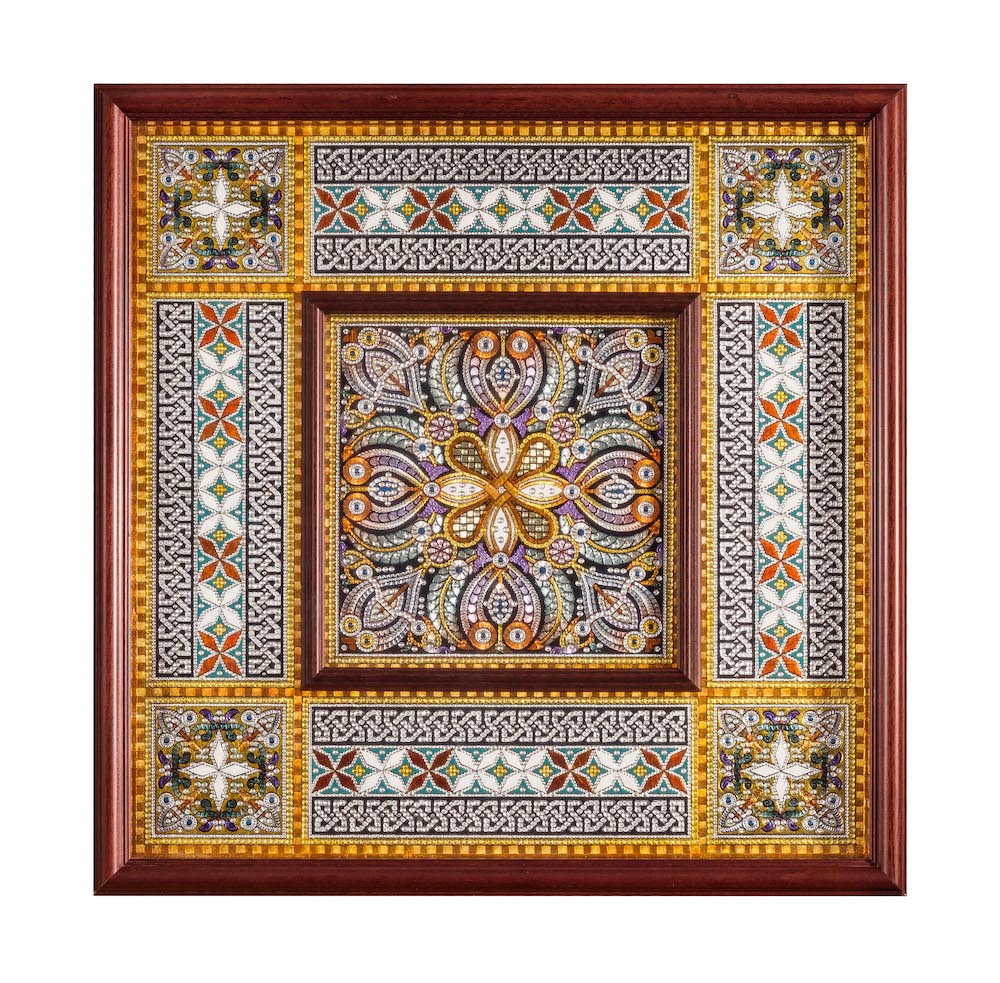
García’s deep interest in Guadameci art began at an early age. Supplied
García’s deep interest in Guadameci art began at an early age, when he visited his uncle, artist Ramón García Romero, every day and watched him paint guadamecíes in his studio. García is also the founder of the Museum of the Omeyan Guadameci in Córdoba, where he is reviving this spiritual craftsmanship that was once favored by rulers.
“Islamic Guadameci art is the most spiritual in all its forms,” he explained. “The idea of Paradise is always present in it. This form of art brings us to the Eternal Garden with its vegetal and geometric motifs. It is the best way to have a vision of Paradise. The Caliph of Córdoba made gifts of guadamecíes to share the beauty of that vision.”
Given the attention to detail required to execute guadameciés, creating them is a lengthy process; it can take up to two years to complete one artwork. It requires a commitment to organization, customization of tools, dedication and confidence to pursue this kind of art. As García says: “The most important thing is to know your form of art.”


