

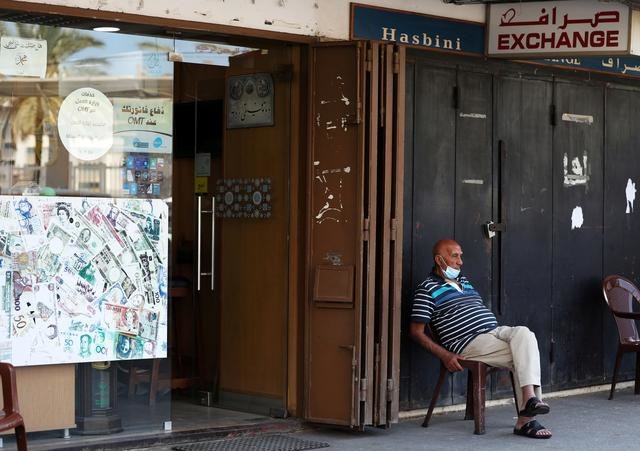

BEIRUT: Lebanon recorded 1,284 new cases of COVID-19 on Oct. 1, having recorded a total of 22,326 cases in September, prompting the Ministry of Interior to announce on Friday that 111 towns and villages will be placed in lockdown on Sunday. There have now been more than 40,000 cases overall in Lebanon since Feb. 21, with 374 deaths.
The number of cases among healthcare professionals has risen to 1,041, and, up until last Thursday, Lebanon ranked 65th globally in the number of COVID-19 cases and 81st in the number of deaths from the virus.
The Ministry of Interior will implement a total lockdown in 20 towns in the north, 60 in Mount Lebanon, 10 in the south, six in the Nabatiyeh district, and 15 in Bekaa starting from 1 a.m. on Oct. 4 until 6 a.m. on Oct. 12. All public institutions, government departments, and places of worship in those locations will be closed, and all social events, parties, gatherings, and religious events will be banned.
Mount Lebanon has the highest number of cases (4,979), while Beirut has 4,798 as of Thursday.
Caretaker Interior Minister Mohammad Fahmy said: “The reason for this measure is the new reality of the pandemic and the increasing number of cases, which exceeded the permissible rates in proportion to the number of residents.”
He added that this measure should “enable the teams of the Ministry of Health to conduct the necessary laboratory tests and tracing.”
The ministry is concerned by the fact that it has been unable to identify the sources of 7,311 cases so far.
The specified locations include cities which host administrative centers that provide basic services to the areas in which they are located, including Chtoura, Saadnayel, Barelias, Bekaa and Bint Jbeil in the south, as well as neighborhoods in the southern suburbs of Beirut, including Hadath, Haret Hreik and Chyah.
Pierre Abi Hanna, head of infectious diseases at Rafic Hariri Hospital, told Arab News: “Controlling the virus requires several weeks of lockdown — one week will not be enough. The situation is difficult and the infection is spreading. There are more than a thousand daily cases, and ten percent of them may need to be hospitalized. This number is a challenge for hospitals because it is daily, and the patient may need to stay in the hospital for two days or for a week.
“Eighty to ninety percent of the cases are mild, and the sources of infection are still mainly caused by not committing to the preventive measures,” he continued. “It turns out that it is mainly young people spreading the infection. They catch the virus when they meet with friends and pass it on to their families at home. Commitment to face covering varies from one region to another. The elderly continue to top the list of the virus’ victims, but we have also witnessed the death of patients in their twenties and forties who were in good health before contracting the virus.”
Abi Hanna also stressed that cases of seasonal flu — due to begin soon — will likely be decreased if people “stick to wearing face coverings.”
There is a shortage of influenza vaccinations, according to Lebanese pharmacies, due to confusion over the regulations about importing medicines from abroad and the expectation that the central bank will soon cancel subsidies for basic materials including medicine.
Assem Araji, the head of the Lebanese Parliament's health committee, said: “The subsidy on medicine should not be removed — not now nor in the future — because removing subsidies is a very dangerous act and will lead to great chaos that we may not be able to control.”
Araji said that 75,000 doses of flu vaccine have already arrived in Lebanon, 60,000 of which will be distributed while the rest will be reserved for “necessary cases.” He expects 300,000 further doses to arrive in the near future.
“There is a global shortage of influenza vaccine, in addition to the confusion that importers face in securing the vaccine to Lebanon,” he said. “And the percentage of those requesting this vaccine may increase much more this year.”
Addressing the Interior Ministry’s announcement of local lockdowns, Araji said: “Placing certain areas — or the whole country — into lockdown is insufficient when people are not committing to preventive measures. We are tired of saying 'Wear a facemask.’ There is a patient in urgent need of a ventilator and he suffers from COVID-19, but, for days, we have been unable to find an unoccupied ventilator in any of Beirut’s hospitals.”


