CAIRO: Egypt has arrested a suspect in the alleged gang rape of a woman in a luxury Cairo hotel, the prosecution said Thursday, in a case that has fueled a resurgent #MeToo movement.
The rape allegedly took place six years ago but the allegations only emerged online in July.
Names and pictures of suspects, who appear to hail from wealthy families, have circulated online, but AFP has been unable to verify their authenticity.
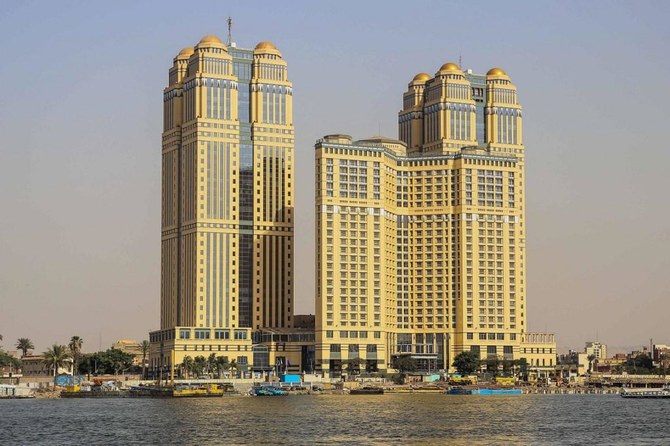
A statement from the prosecution on Thursday said that Amir Zayed had been arrested a day earlier while attempting to flee the country and was ordered “to be jailed for four days pending investigation into the assault of a girl in the Fairmont Nile City Hotel.”
Zayed is also accused of involvement in “a similar incident,” the prosecution added, without elaborating.
According to social media accounts, several men had drugged and raped the woman in 2014.
Reports on the incident were widely shared, including by Assault Police, an Instagram account with more than 180,000 followers that is dedicated to pushing for justice for rape and sexual assault survivors.
Authorities have placed other suspects in the case on an airport watch list and are pursuing them through the Interpol, the prosecution added.
On Wednesday, it said it was seeking to arrest a total of nine suspects, adding that seven had fled abroad following the dissemination of their identities on social media.
The prosecution launched a probe earlier this month after receiving a letter from the National Council for Women, which included a complaint from the woman who claimed she had been gang-raped at the Fairmont in 2014.
The hotel has said it had conducted an internal investigation but found “that at no time were any reports of the incident filed to the hotel, nor to the hotel’s tourism police.”
The accusations have added to Egypt’s resurgent #MeToo movement, which seeks to hold sexual predators in the deeply conservative country accountable for their actions.
Women in Egypt are often reluctant to speak out about sexual harassment, fearing public shaming and being blamed for dressing or acting “provocatively,” and often face threats of retaliation for exposing misconduct.
In July, dozens of women made shocking claims of sexual abuse and assault by a 22-year-old man, who is also member of the country’s wealthy elite.
The man was arrested and confessed to assaulting at least six girls, including one aged under 18, and to blackmailing the victims, according to prosecutors.
The recent cases, especially among Egypt’s elite, have highlighted that sexual assault and harassment — widely perceived to be more prevalent among the poorer classes — pervade all levels of society.
United Nations surveys have found that most Egyptian women have been subject to harassment ranging from catcalling to pinching and groping.
Egypt’s parliament earlier this month approved amendments to the criminal code granting victims of sexual assault the right to anonymity.
Egyptian authorities have criminalized sexual harassment since 2014, but many women complain that the problem remains rampant.


![]()

Egypt arrests suspect in 2014 hotel gang rape case
Short Url
https://arab.news/z3eab
Egypt arrests suspect in 2014 hotel gang rape case
- Amir Zayed had been arrested on Wednesday while attempting to flee the country
- Authorities have placed other suspects on an airport watch list and are pursuing them through the Interpol


Latest updates


© 2026 SAUDI RESEARCH & PUBLISHING COMPANY, All Rights Reserved And subject to Terms of Use Agreement.