

French macarons, from a Saudi chef

The CEO of the Saudi Culinary Arts Commission got her start in Paris. (Instagram)
Short Url
Updated 14 July 2020
Follow

French macarons, from a Saudi chef

RIYADH: From pastry chef to CEO of the Saudi Culinary Arts Commission, cook Mayada Badr is on a mission to highlight the Kingdom’s food and put it on the global map.

“My ambition is to bring light to our strategy and elevate the culinary arts industry in the Kingdom of Saudi Arabia and also introduce it to the world,” she told Arab News.

“We have so much to offer. It’s amazing because it’s not like you’re trying to create something – it is all there,” she said, referring to the Kingdom’s different regions all with their own unique dishes.

Tourists and visitors could get a taste of tradition and authenticity from eating experiences. “Tourists want to understand us through our food,” she added.

The commission has been studying Saudi food and how it is viewed on the international stage.
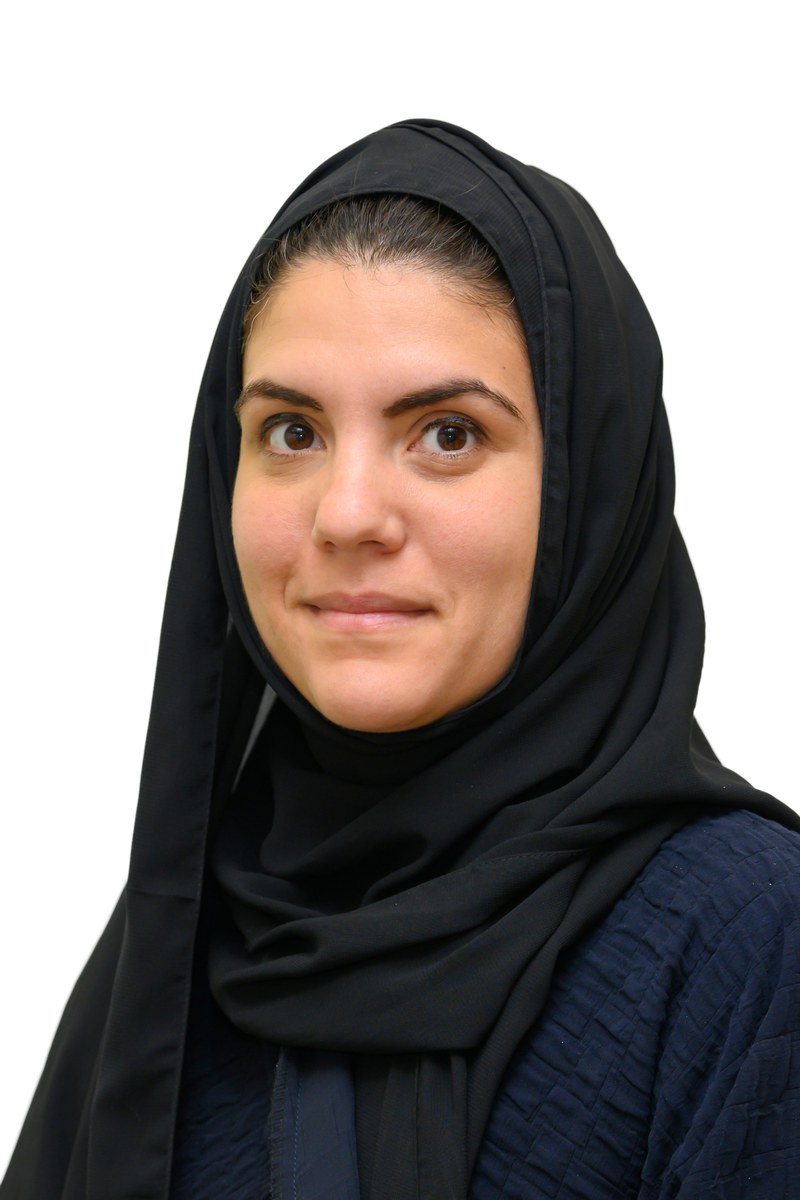


CEO of the Saudi Culinary Arts Commission, chef Mayada Badr. (Supplied)

“We’ve actually done that research, and we asked chefs around the world. Their answer was: ‘We honestly don’t know, it’s a shame. We do not have an idea of what you eat.’ And that’s probably why they can’t really relate sometimes to us, as we are so diverse,” said Badr.

The commission has hired researchers to allocate the origins of Saudi dishes. “We have a lot to offer, and we simply need to shed light on our diverse and unique offerings from ingredients to cuisine.”

The Saudi culinary landscape is set for a dramatic change under soon-to-be-announced commission plans for culinary schools, cooking classes, street food, and more.

“We’re going to announce our strategy which is very exciting. But it goes through the whole food chain in that sense: Basically, the farmers to the production of different products, to the cooking technique, through education, through the infrastructure, to the offering, and then to gastro diplomacy and food tourism routes,” she added.

Badr’s own journey started with a passion for food. Owner of a pastry shop, Pink Camel, and farmer-style restaurant, Black Cardamom, both in Jeddah, Badr became CEO of the Culinary Arts Commission, one of the 11 newly created commissions under the Ministry of Culture, in February.

While studying at the Parsons school of art and design in Paris, she saved up to eat in Michelin-starred restaurants around France. Another treat for her was getting cookbooks autographed by top chefs. 

Apart from dining in French restaurants, she also decided to expand her culinary education and attended renowned Le Cordon Bleu Paris. After completing her grand diploma, she interned for three months at Laduree, the French luxury bakery and cafe famous for its macarons, where she met incredible chefs who taught her different skills in pastry making.

She then moved to the south of France and interned at La Bastide Saint Antoine, a two-star Michelin restaurant in the small city of Grasse.

Returning to Saudi, she craved macarons but could not find any of decent quality, so took it upon herself to make her own to satisfy her craving.


We will be closed on Sunday and we will open again on Thursday we wish you all a happy eid,

A post shared by Pink Camel (@pinkcamelksa) on

Realizing that the French pastry business was limited in the Kingdom, with only a few restaurants that offered top-quality products, Badr opened Pink Camel, her own French pastry shop, on July 21, 2012.

Not only does it represent Saudi culture, but Badr also infuses culture into her macarons by mixing Western and local flavors.

She first started gaining recognition through baking impeccable fresh macarons, focusing on quality over quantity and prompted by her “love for food and the simple joy it brings to everyone.”

On the secret to her macarons, she said: “I honestly think the key is that we make them fresh every day.”


Sale of Saudi artist Safeya Binzagr’s work sets record at Sotheby’s auction in Riyadh

Updated 01 February 2026
Follow

Sale of Saudi artist Safeya Binzagr’s work sets record at Sotheby’s auction in Riyadh

RIYADH: A painting by Saudi artist Safeya Binzagr sold for $2.1 million at Sotheby’s “Origins II” auction in Riyadh on Saturday, emerging as the top lot of the evening and setting a new auction record for a Saudi artist.

The work, “Coffee Shop in Madina Road” (1968), sold for $1.65 million before the buyer’s premium, the additional fee paid by the purchaser to the auction house on top of the hammer price.

The result nearly doubled the previous auction record for a Saudi artist and became the most valuable artwork ever sold at auction in the Kingdom. It also ranks as the third-highest price achieved for an Arab artist at auction.

It was presented as part of “Origins II,” Sotheby’s second auction staged in Saudi Arabia, comprising 62 modern and contemporary lots and bringing together Saudi artists alongside regional and international names.

Collectors from more than 40 countries participated in the auction, with around one-third of the lots sold to buyers within Saudi Arabia.

The sale totaled $19.6 million, exceeding its pre-sale estimate and bringing the combined value of works offered across “Origins” and “Origins II” to over $32 million.

Saudi artists were central to the evening’s results. All nine Saudi works offered found buyers, achieving a combined total of $4.3 million, well above pre‑sale expectations.

Ashkan Baghestani, Sotheby’s head of contemporary art for the Middle East, told Arab News at the auction that “Safeya made more than any other artist tonight, which is incredible.”

He said the results demonstrated Sotheby’s broader objective in the Kingdom.

“The results tonight show exactly what we’re trying to do here. Bring international collectors to Saudi Arabia and give them exposure to Saudi artists, especially the pioneers.”

All nine works by Saudi artists offered in the sale found buyers, generating a combined $4.3 million. Additional auction records were set for Egyptian artist Ahmed Morsi and Sudanese artist Abdel Badie Abdel Hay.

An untitled work from 1989 by Mohammed Al-Saleem sold for a triple estimate of $756,000, while a second work by the artist, “Flow” from 1987, achieved $630,000.

The sale opened with the auction debut of Mohamed Siam, whose “Untitled (Camel Race)” sold for $94,500. Also making his first auction appearance, Dia Aziz Dia’s prize-winning “La Palma (The Palma)” achieved $226,800.

The sale coincided with the opening week of the Contemporary Art Biennale in Riyadh, reinforcing the city’s growing role as a focal point for both cultural institutions and the art market.

Baghestani added that Saudi modern artists are now receiving long‑overdue recognition in the market.

“There’s so much interest and so much demand, and the price is where it should be,” he said.

International highlights included works by Pablo Picasso, Roy Lichtenstein, Andy Warhol and Anish Kapoor, underscoring Saudi Arabia’s growing role as a destination for major global art events and collectors.

Picasso’s “Paysage,” painted during the final decade of the artist’s life, sold for $1,600,000, becoming the second most valuable artwork sold at auction in Saudi Arabia.

Seven works by Lichtenstein from the personal collection of the artist and his wife, including collages, prints, works on paper and sculptures, all found buyers. Warhol was represented in the sale with two works: “Disquieting Muses (After de Chirico),” which sold for $1,033,200, and a complete set of four screenprints of “Muhammad Ali,” which achieved $352,000.

Baghestani said the strength of the results was closely tied to the material’s freshness. “These were not works from the trade. Some of them had not been seen since the 1970s,” he said.