- 25,000 polio workers are helping in COVID-19 response, says national coordinator for anti-polio campaign
- UNICEF official says the agency will work with government on additional immunization after the pandemic
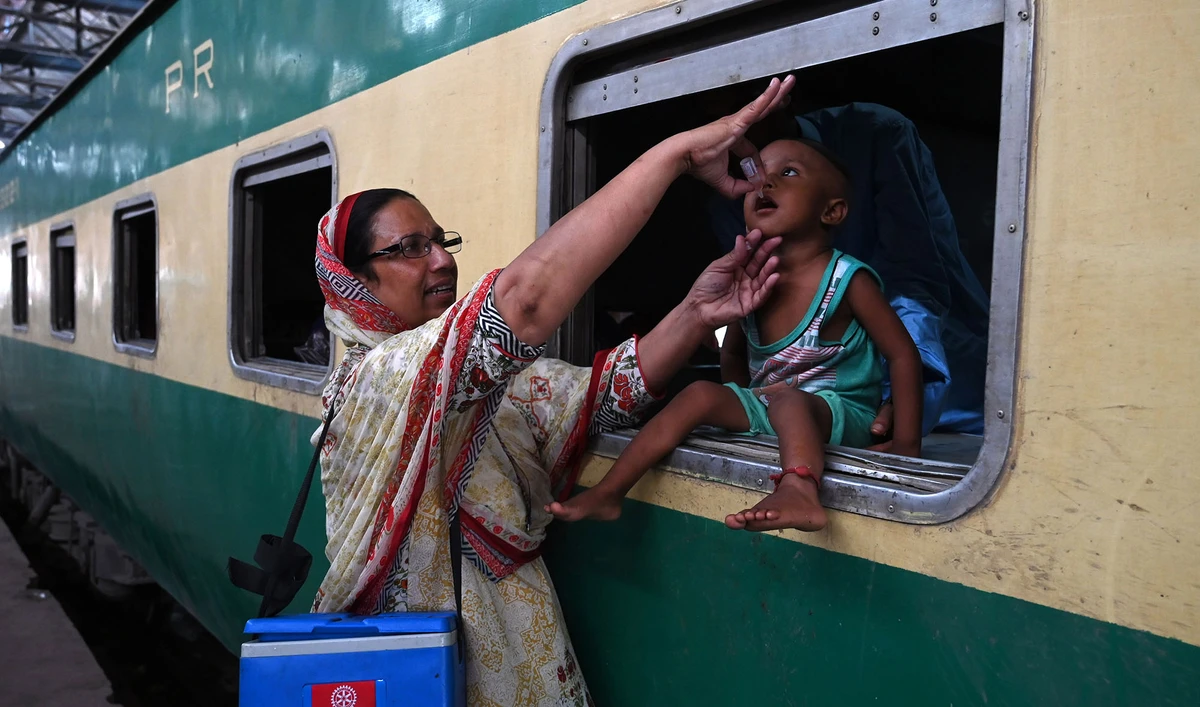
ISLAMABAD: Around 40 million Pakistani children have missed polio drops as the nationwide vaccination program in April has been suspended due to the coronavirus outbreak, officials from the country’s polio eradication center and United Nations Children’s Fund (UNICEF) told Arab News.
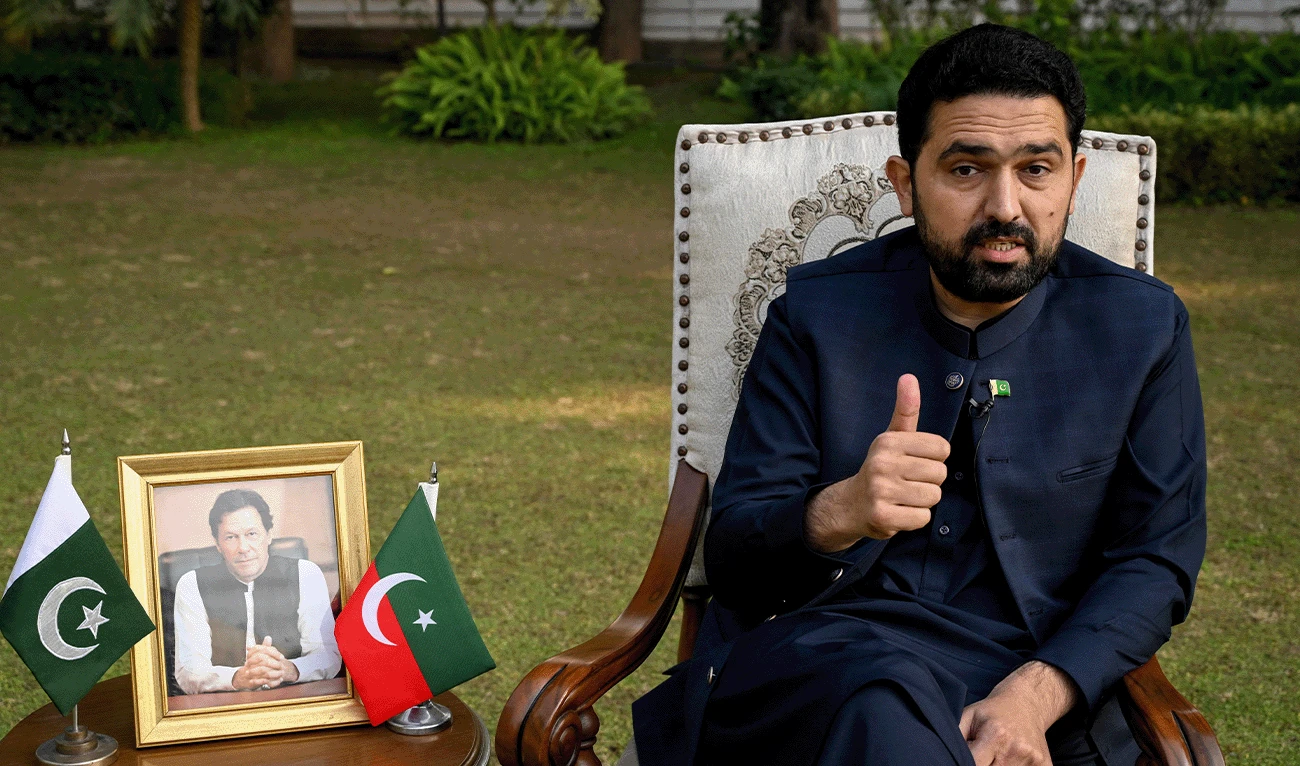
“We planned to vaccinate 40 million children under the age of five during our nationwide immunization campaign in April, which could not take place due to the COVID-19 emergency,” said Rana Muhammad Safdar, national coordinator of the Emergency Operation Center for Polio Eradication. He added that the vaccination program has been suspended until May 31.
“We will assess the situation and when the COVID-19 situation is controlled, we will start our campaign again with a modified program to minimize the adverse impact of the missed period,” Safdar told Arab News on Tuesday. “We don’t have any option. If we continue with the campaign it will not only threaten the lives of workers, but also of children and their families as polio workers have to go door-to-door for immunization.”
The World Health Organization (WHO) decided on March 26 that for the next six months all anti-polio activities, including house-to-house surveillance should be suspended to avoid placing communities and frontline workers at risk.
“In our nationwide campaigns, we take services of more than 260,000 vaccinators all over Pakistan,” Safdar said. “They include our polio workers and volunteers. We have data from all over the country, and we can go as deep as union councils. We have achieved more than 95 percent success in our target of vaccinating 40 million during our last nationwide campaign in February 2020.”
According to data from Pakistan Polio Eradication Program (PPEP), 147 polio cases were reported in Pakistan in 2019 and 39 since the beginning of 2020. Polio is endemic in Afghanistan and Pakistan and continues to be a problem in about 10 other countries.
Mass vaccination campaigns — which occur as frequently as every month — are critical to stopping polio, as eradication requires that more than 95 percent of children under five be immunized.
“To curb the spread of the (polio) virus, we have chalked out an aggressive immunization campaign after facing a crisis in 2019. We have identified 40 super high-risk hotspots from where it used to emerge, where we have worked hard to improve immunization, sanitation and nutrition through a special program to increase the immunity level of children,” Safdar said.
His team is working on a system to provide routine immunization to newborn children if the COVID-19 health emergency persists, and has also been engaged in coronavirus response, he said, “We are providing our services in surveillance of cases and contact tracing to minimize local transmission. We have the best surveillance system with presence in every district of Pakistan. The whole COVID-19 surveillance is led by the polio program’s team, with more than 10,000 health facilities and over 25,000 workers.”
A senior UNICEF official, who requested not to be named due to the agency’s commitment with the government, said “UNICEF is working as a partner of the Pakistani government’s polio eradication program and will provide its assistance for an additional national immunization program this year for the 40 million children who could not get vaccinated in April.”
“We might have to do two campaigns after the normalization of the COVID- 19 situation in Pakistan,” the official told Arab News on Monday.
The global effort to wipe out polio began in 1988, aiming to eliminate the disease by 2000. But the initiative has been hobbled by numerous problems, including resistance to vaccination efforts and limited access to conflict areas.