- Hip-hop music scene is growing in Pakistan, with artists such as Faris Shafi and Maanu making the genre expand
- From Karachi to Islamabad, from Urdu through English to Sindhi, rappers are experimenting with lyrical play and catchy tunes
ISLAMABAD: Turning on the radio is a guarantee that at least a few hip-hop focused songs — be it rap or r&b — will pour out of one’s speakers. As the genre is growing in Pakistan, Arab News asked music aficionados which artists deserve particular attention.
The first place went to Faris Shafi. An emcee for nearly a decade, Shafi is known for his clever lyrical play, personal-meets-political focused raps and being the foundation of the country’s rap scene. His latest single “Nazar” sits at nearly 500,000 views.
Elhaam Shaikh, a producer at radio station CityFM89, an English-language Pakistani channel, credits Shafi as “a lyrical genius.” She said, “The way he sways in and out of English, Urdu and Punjabi in his music is inspiring.”
Another rapper she insists people should listen to is Maanu.
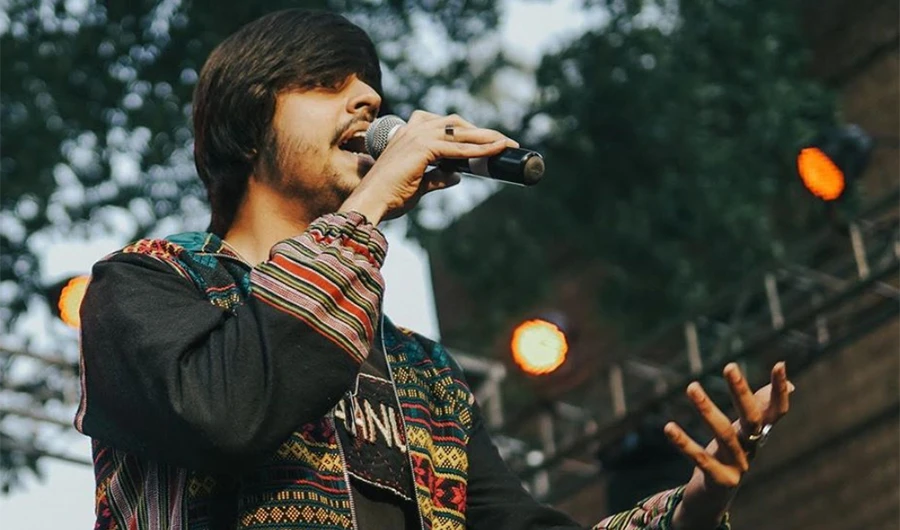
Lahore native Maanu Rehman Afshar began producing and performing music a year ago, going with catchy, easy, pop tunes. He made the switch to rap with songs like “Darwaazay” and his recently released “Aik Khata.” He told Arab News that hip-hop gives energy, allows “word play and the fun one can have with language,” and interaction with the audience during performance.
Maanu recommends listening to Rawalpindi-born Hashim Nawaz, whose latest song “Picture,” released with Talha Anjum, has been viewed over 260,000 times on YouTube since it went up three weeks ago.
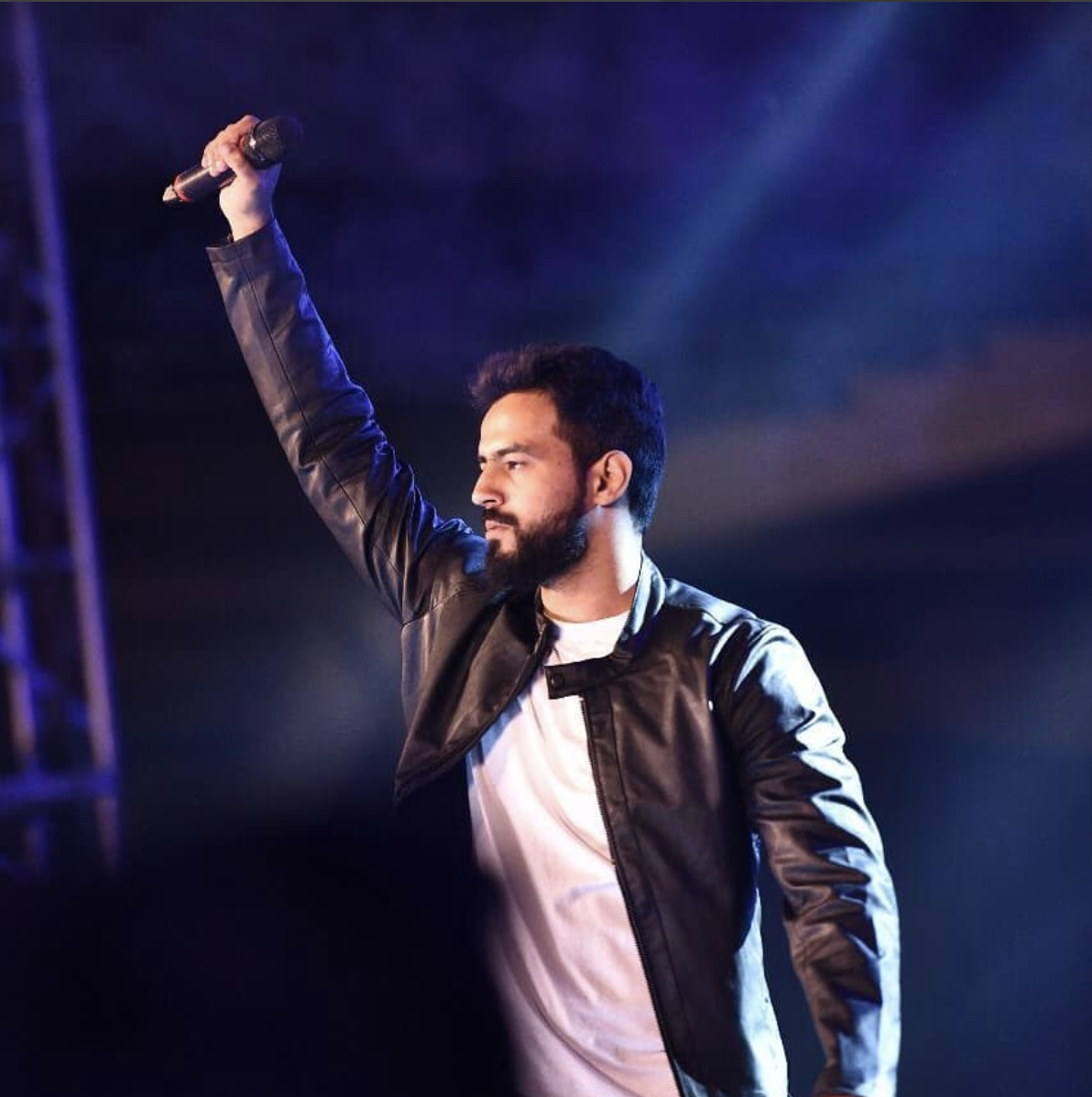
Nawaz and Anjum were repeatedly voted as artists to pay attention to in hip-hop for their punctuated, fast hitting rap styles. Anjum was frequently mentioned alongside Young Stunners, which comprises himself, Talhah Younis and Umair Khan.
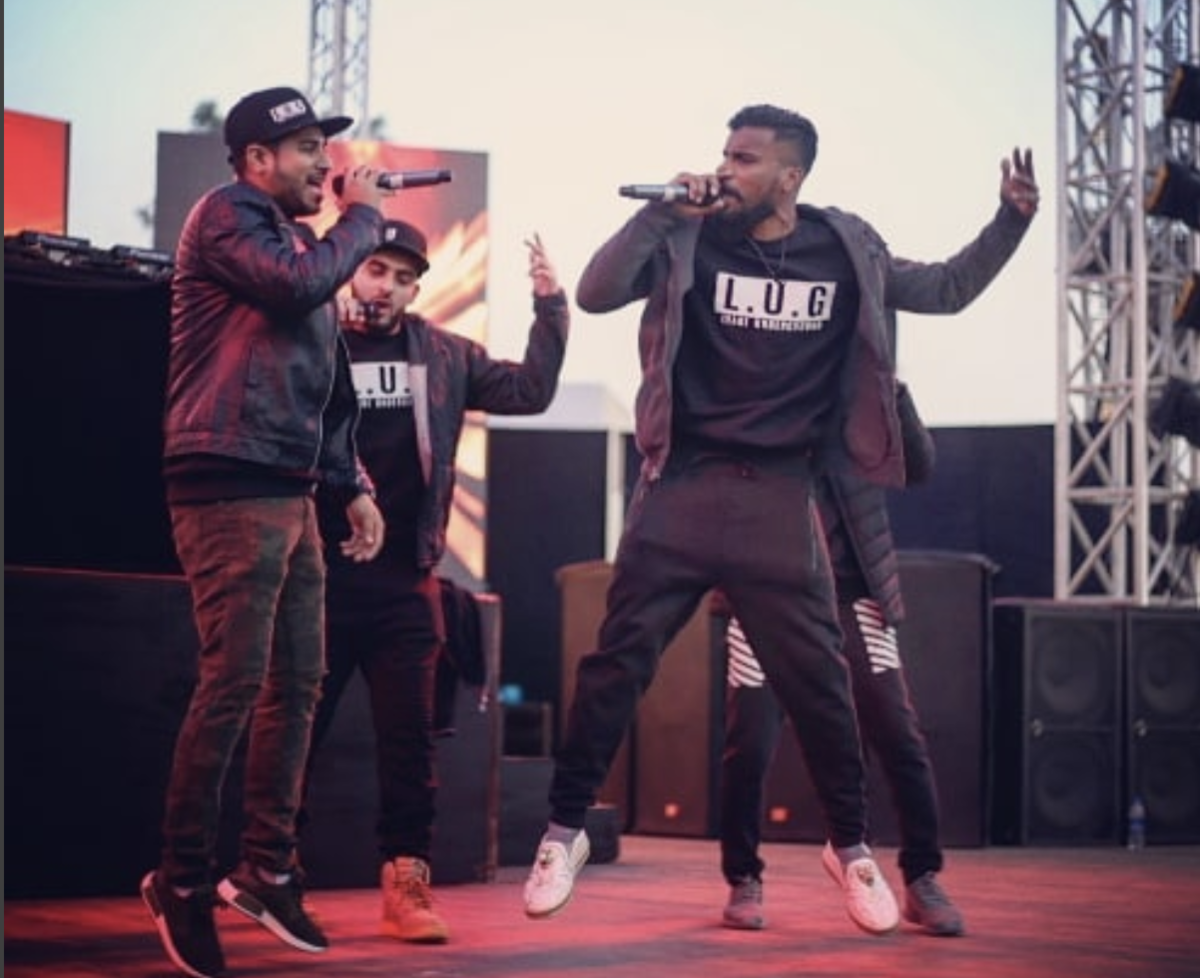
Music producer Noor Mian pointed to LUG — Lyari Underground — a Balochi group hailing from Karachi. Discovering them on YouTube, Mian was hooked in, “The music, the composition and flow was all there, and also the fact that they are representing Lyari — an underrepresented city in terms of music and most things.”
LUG, who rap in English, Urdu, Balochi and Sindhi, began performing and sharing their music on YouTube a little over two years ago, with videos routinely falling into six-figure views.
For Wes Malik, radio show host and voiceover actor with nearly two decades in the business, Islamabad-based Shamoon Ismail “has single-handedly redefined Punjabi music as a whole” with traditional Punjabi bhangra sounds and dhol beats.
He also mentioned another Islamabad dweller, Mikki Murshed, who makes catchy, danceable beats like the made-in-quarantine single “Some Like it Hot,” and has established quite a fan base in the capital and its twin city Rawalpindi.
Like everyone else, Malik too listed Maanu, but he did not forget to draw attention to XPolymer Dar.
“He has brought Pakistan’s rappers especially in the north and Punjab together under his Dangal series and his They See Battle League,” Malik said. Both initiatives by XPolymer were to create community for the craft of producing and performing hip-hop music. XPolymer has notable collaborations with Shoaib Mansoor, Mahira Khan and Shamoon Ismail.
Other artists to watch are pop meets r&b producer and singer Abdullah Siddiqui, whose song “Resistance” has reached over 3.5 million views. He collaborated with Saba Jaswal on “You and I” last year. Jaswal is another heavily hip-hop influenced artist to watch. Her latest single “Brave It” was released on YouTube last week.