- Islamabad made great progress in safety since last year, the index shows
- World Crime Index lists Abu Dhabi as the safest city
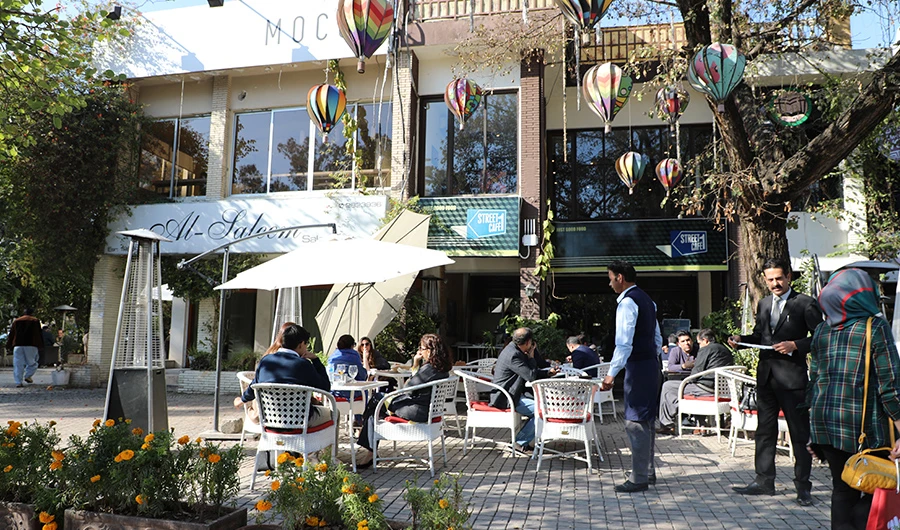
ISLAMABAD: Like every city, Islamabad has ups and downs, but its recent descent is one to cherish. In the latest World Crime Index, the Pakistani capital has plunged so low that it is now considered a safer city than Madrid, Luxembourg or even Singapore.
The index, compiled by Numbeo – the world’s largest database of user-contributed data about cities and countries – ranks Islamabad 301st among 374 cities. According to Numbeo, the safest city, ranked 374th, is Abu Dhabi.
Last year, the Pakistani capital ranked 232nd out of 376 cities surveyed, which means it has made quite a leap in the past 12 months!
But does Islamabad indeed feel safer for its dwellers? Arab News reached out to the capital’s residents to know their thoughts on the ranking.
Educationist Omer Ali, 34, who has been calling Islamabad home since 1992, feels the positive change in safety but attributes it to a heavy presence of security forces.
“I have seen the ups and downs of Islamabad especially in terms of safety. I do think the city has become safer and I’m not surprised to see our rank raise. You can see anti-terrorist forces, rangers, army, and God knows which other forces all around town,” he said.
According to him, Islamabad has always felt safer than other places around the world. “I have always felt safer in Islamabad than I ever did in the States in (Washington) DC or New York. Maybe that’s just me, but we have better gun controls than most of these other seemingly ‘safer’ places.”
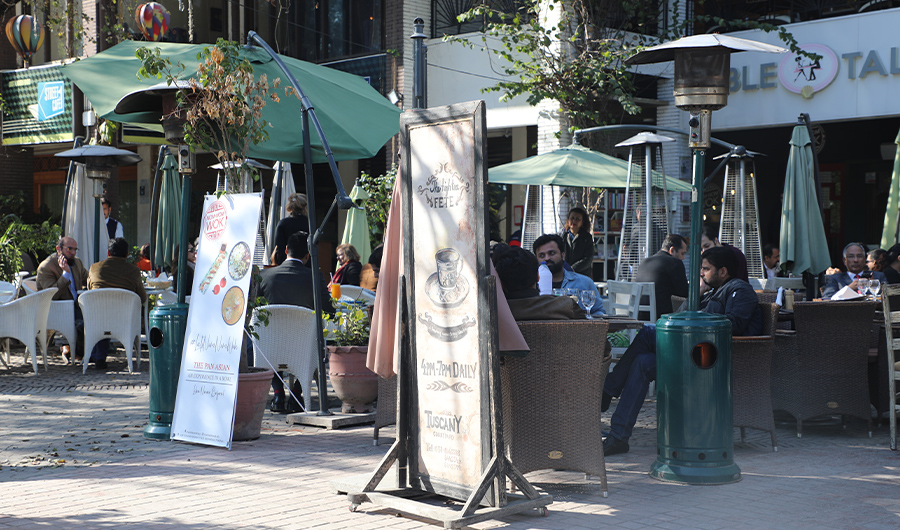
Journalist Annam Lodhi, 27, who has lived in Islamabad for the past two years, said that though Islamabad is generally safer than most places, it also depends on where you live in the capital.
“I have lived in Lahore and Karachi, I think Islamabad is the safest among all of them, but then I also live in one of the safest areas of the city. While here I can leave the house without a worry, my friends in e11 and g10 have reported numerous cases of theft in the last year alone.”
“The better the area, the safer it is,” he said.
Islamabad has proven to be a refuge for some, particularly single women.
“In Islamabad, I can walk with less fear of being catcalled, I drive at night without being harassed, people don’t stare as much, I can wear western clothes without being x-rayed – there is harassment in Islamabad but I feel less vulnerable there,” said Mehrbano Raja who works in the development sector. She has lived on and off in Islamabad over the past few years oscillating between the capital and her hometown of Lahore.
“It’s the safest city for single girls like me to come and work, and live alone.”
“That seems like an exaggeration,” laughed Sana Hassan, an art director who has called Islamabad home for over 10 years. “Maybe this is due to underreporting of crime, on a per capita basis? However, I’ve not encountered obvious crime personally but I’ve heard of a lot of instances of burglary, so, yes, I am surprised by that. Though Islamabad is definitely safer than Karachi.”
Karachi, Pakistan’s seaside city whose crime rates have been reported both with horror and humor ranked 89th, which makes it one of the world’s most unsafe cities.