

ISLAMABAD: Pakistan has been a major beneficiary of aid provided by the UAE, with grants amounting to Dh251 million last year, data from a UAE government report showed on Tuesday.
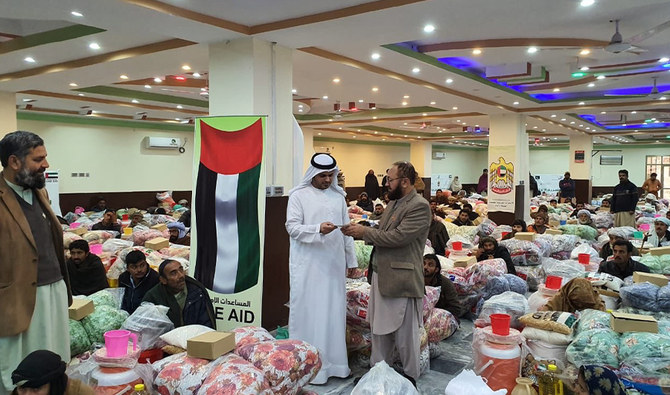
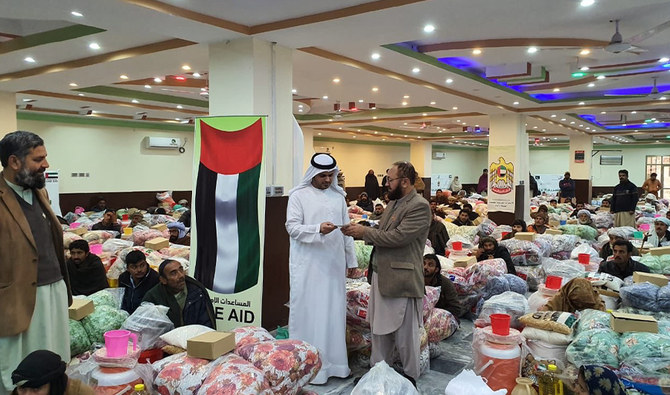
#UAE Embassy in #Islamabad in cooperation with Sheikh Mohammed bin Rashid Al Maktoum Charitable and Humanitarian Est. implements a pilot integrated project to relief 400 families affected by the earthquake in the village of Jinh Janbad in Muzaffarabad district of Kashmir province pic.twitter.com/L4r3doudRZ
— UAE Embassy PK (@uaeembassyisb) January 21, 2020
“The UAE distributed more than Dh28 billion in international aid last year. Pakistan was the eighth most supported nation with grants worth Dh251.10m disbursed to the country, which is the highest in five years. The total foreign aid grants to Pakistan from the UAE have been Dh1.76 billion since 2013,” excerpts from an international aid report released earlier this month by the UAE Ministry of Foreign Affairs and International Cooperation in Abu Dhabi showed.
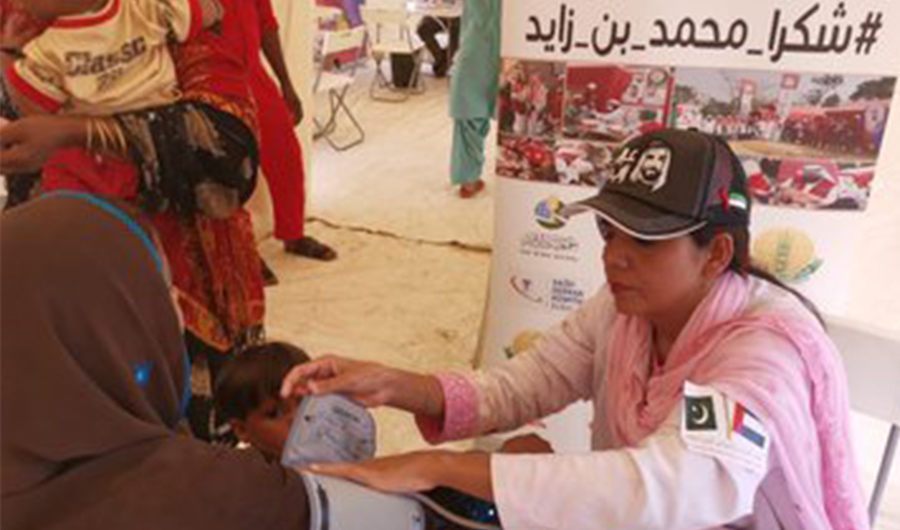
The fifth phase of the Sheikh Zayed International Humanitarian Campaign, for the treatment of women and children, was launched in the Kathor area of the Sindh province on September 2, 2019. (Photo courtesy: UAE Embassy)
It added that the aid donated by the UAE exceeded UN recommendations for the sixth consecutive year, surpassing targets of 0.7 percent of the gross national income (GNI) from donor countries. The Dh28.62 billion ($7.79 bn) figure amounts to 0.93 percent of the UAE’s GNI of 2018.
“UAE is a great and time-tested friend of Pakistan, particularly [since] they are supporting Pakistan in the development sector and health,” Pakistan’s Minister of State for Health, Dr. Zafar Mirza, told Arab News in Islamabad on Tuesday.
Dr. Mirza thanked the UAE for “their support in every field,” adding that the increased aid reflects “their trust in Pakistan.”
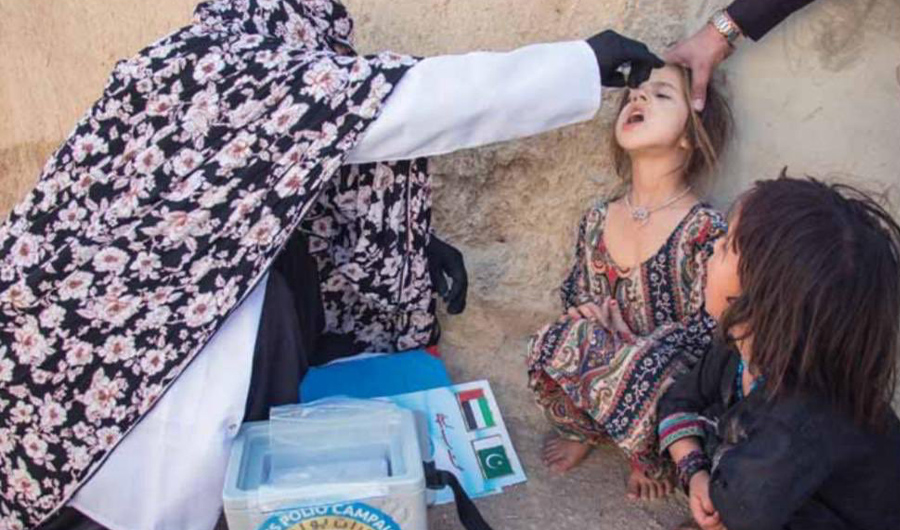
A female doctor from the UAE-Pakistan Assistance Programme (UAEPAP) is seen here administering polio drops in a Pakistani village on December 13, 2019. (Photo courtesy: UAE Embassy)
“Under Prime Minister Imran Khan’s leadership, the UAE and Pakistan have become even more closer which is evident from the frequency of bilateral visits at the leadership level,” he said.
He further acknowledged the UAE’s support in the health sector, especially in helping Pakistan eradicate polio from the country.
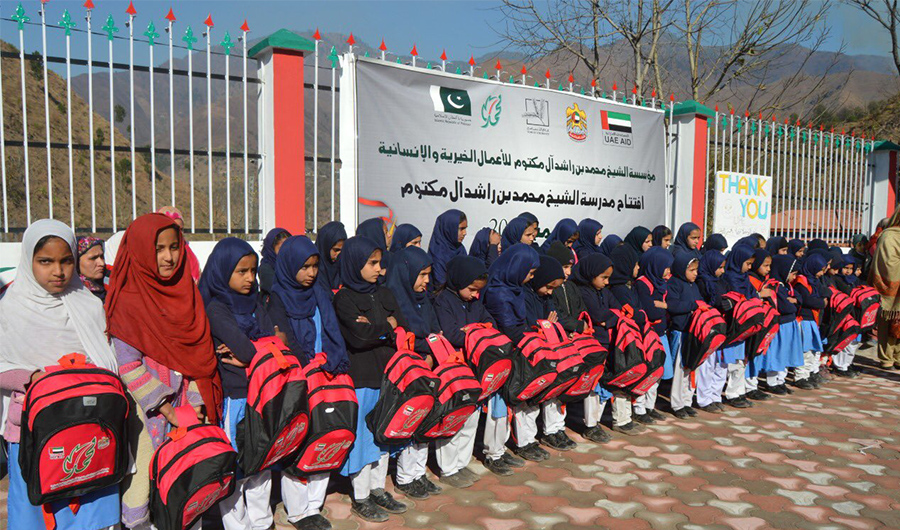
Officials from the UAE Embassy distribute school bags at the Mohammed Bin Rashed Al Maktoum Primary School in the Hattian Bala village of Muzaffarabad on December 23, 2019. (Photo courtesy: UAE Embassy)
“They are our major partners in the polio eradication program. I really appreciate the support provided by UAE in our fight against polio as in our recent campaign they (UAE) have contributed a lot...,” Mirza said, adding that setting up of Basic Health Units (BHU) and small hospitals in remote areas of Pakistan and Azad Jammu and Kashmir have also furthered the cause.
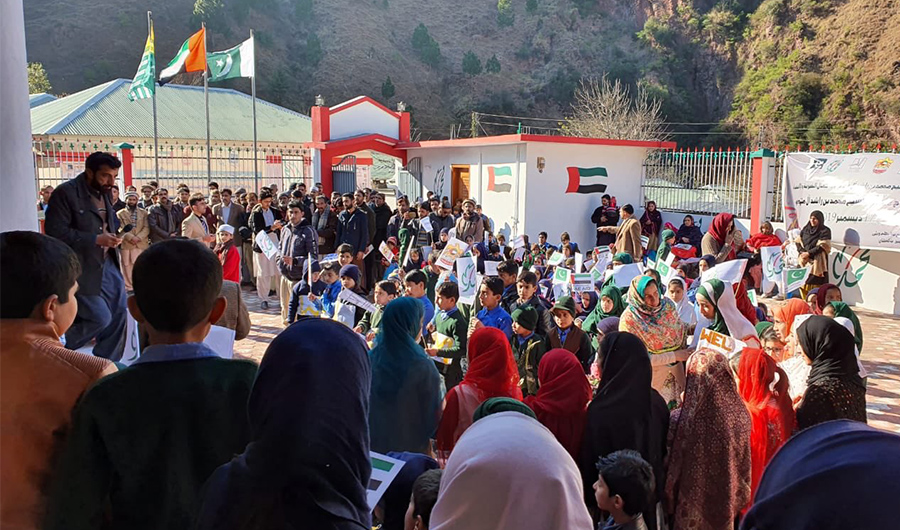
Officials inaugurate the Mohammed Bin Rashed Al Maktoum Primary School in the Hattian Bala village of Muzaffarabad on December 23, 2019. (Photo courtesy: UAE Embassy)
Additionally, the UAE embassy completed several aid projects last year to facilitate earthquake relief programs by establishing health and sanitation facilities, schools, and by providing clean drinking water across Pakistan.
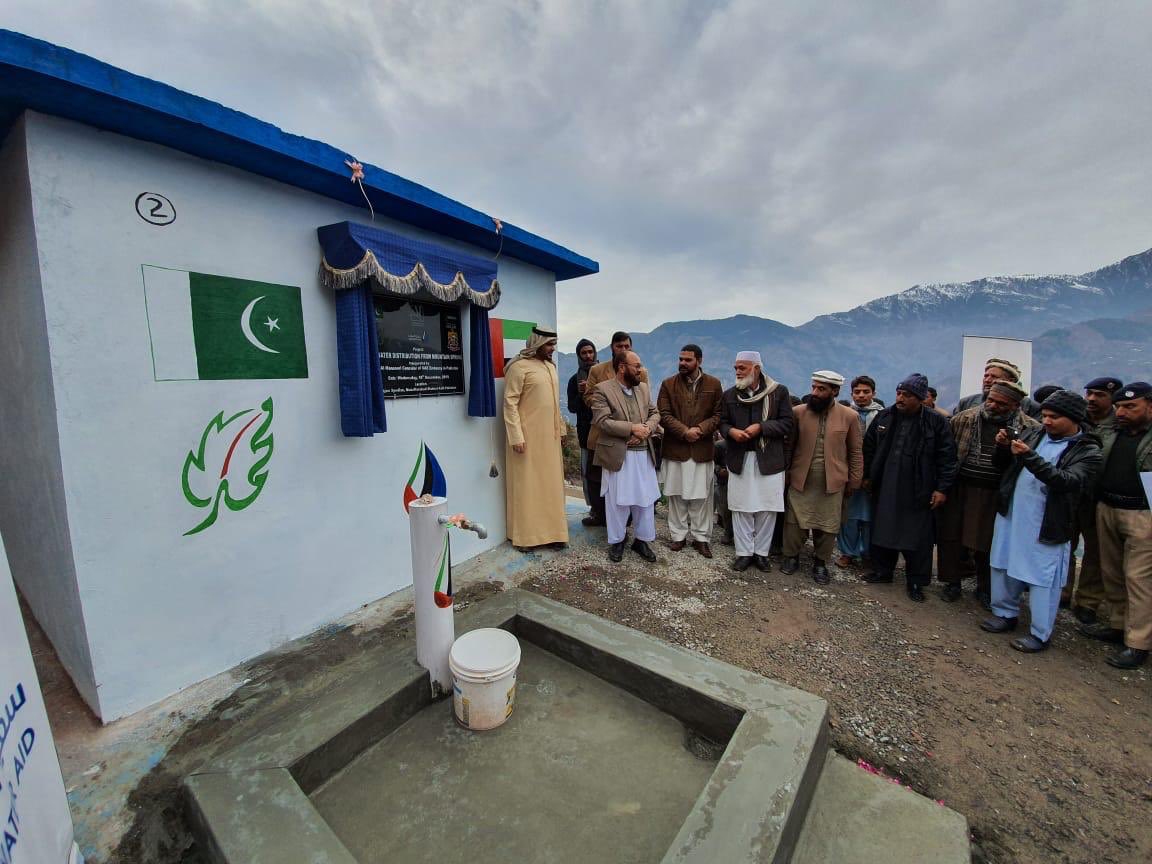
Embassy officials inaugurate the Spring Water Supply and other projects under the UAE Water Aid scheme, implemented under the Mohammed Bin Rashed Humanitarian and Charity Establishment in the Kokra area of Muzaffarabad on December 25, 2019. (Photo courtesy: UAE Embassy)
“The Emirati Relief Project carried out for those affectees of the earthquake that struck the district of Mirpur last year includes distribution of aid comprising basic and important needs of food, medical and shelter materials for more than 3,000 families,” a statement released by the embassy said on Tuesday.
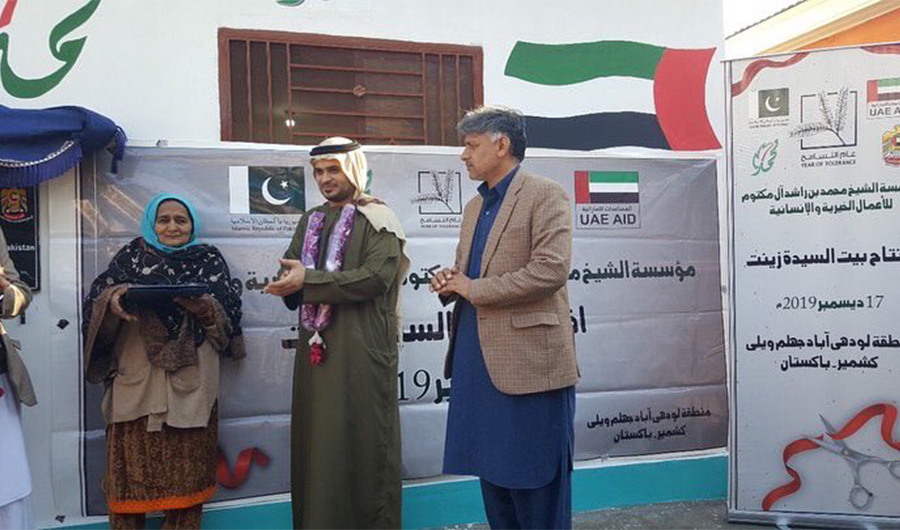
A UAE official is seen here gifting a fully-furnished house to a widow named Zeenat in the Hattian Bala village of Muzaffarabad on December 30, 2019. The initiative is part of a program funded by the Mohammed Bin Rashid Al Maktoum Charitable and Humanitarian Establishment. (Photo courtesy: UAE Embassy)
Another significant project was the establishment of the Spring Water Supply and tanks which targeted 20 major areas, including dozens of villages in the Kashmir region, in addition to the construction of the Mohammed Bin Rashed Al Maktoum Primary School in the Hattian Bala village of Muzzaffarabad.
“The fifth phase of the Sheikh Zayed International Humanitarian Campaign for the treatment of children and women was carried out in the Kathor area of the Sindh province with the participation of doctors from the UAE and Pakistan,” the statement added.


