

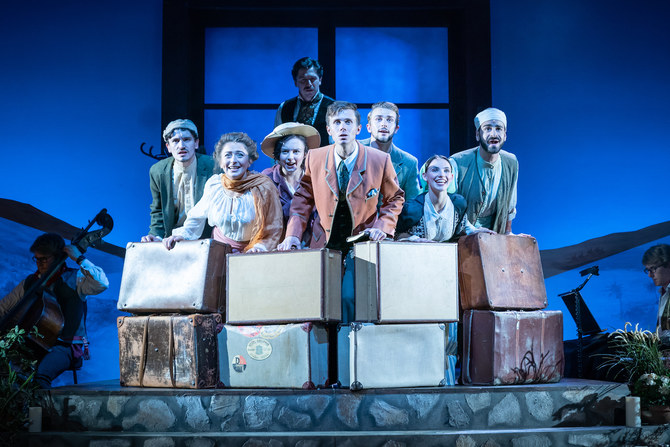

DUBAI: When it comes to matters of the heart, we are often asked that intimate question: Do you remember your first love? It is an experience that lives long in our memories — a feeling of belonging, connection, and emotional fulfillment with another human being. But in many cases, such feelings can ultimately be crushed by disappointment and heartbreak.
Lebanon’s beloved poet Kahlil Gibran — ranked third in the all-time list of bestselling poets — was 29 when his novel “The Broken Wings” was published in 1912 — 11 years before the publication of his iconic masterpiece “The Prophet.”
“The Broken Wings” is set in early 20th-century Lebanon and tells the tragic story of Gibran’s first true love, Selma Karamy. “I was 18 years of age,” Gibran wrote. “When love opened my eyes with its magic rays and touched my spirit for the first time with its fiery fingers.” However, in an environment that favored honoring one’s father’s wishes over following one’s heart, Karamy is betrothed in an arranged marriage between two powerful families.
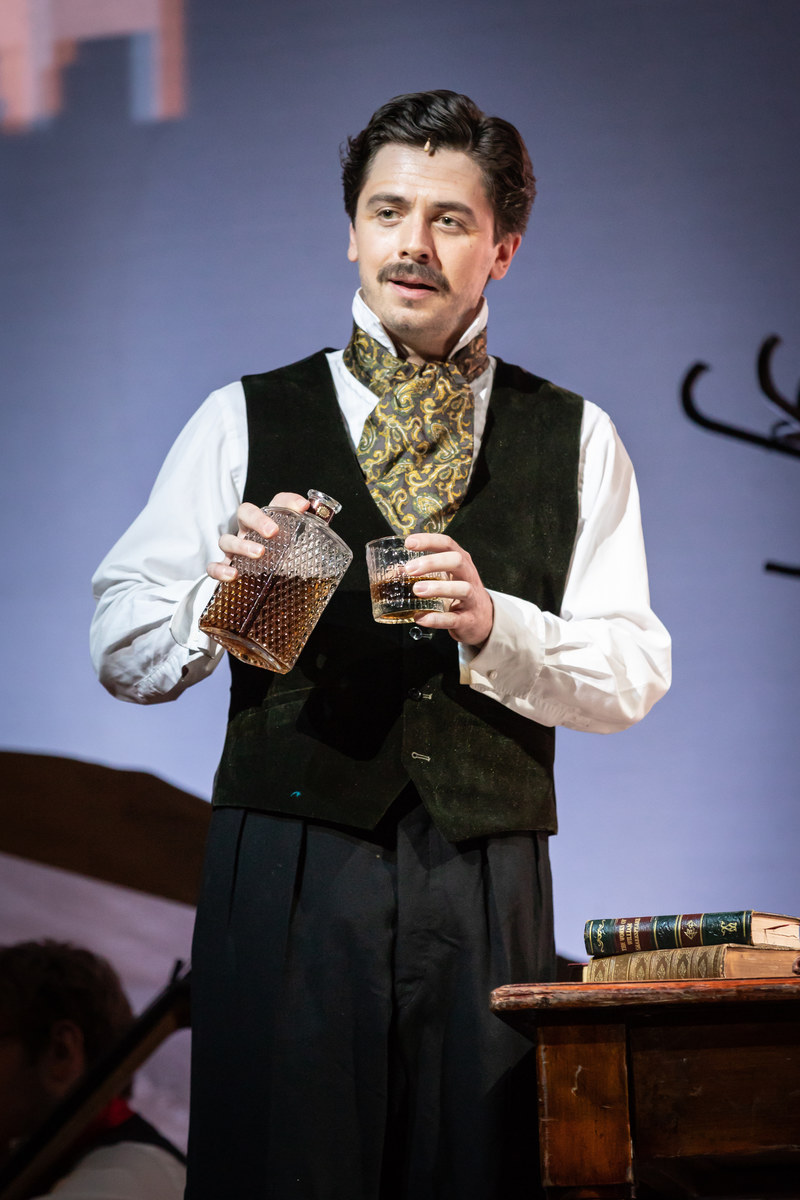
The Lebanese-British Nadim Naaman is the co-writer and leading actor of the elaborate musical production. (Supplied)
Gibran’s book has been been reinvented as a musical, which opened at London’s Theatre Royal Haymarket and was also staged at Lebanon’s Beiteddine Festival. It’s now being performed at Dubai Opera, with three shows taking place on January 17 and 18.
The writing and composing of this elaborate musical production took nearly two years to complete. One of its co-writers and leading actors is the Lebanese-British Nadim Naaman, who explained to Arab News why the time has come to bring the spirit of Gibran — whom he describes as “the Shakespeare of the Middle East,” to the UAE.
“Dubai is, in my opinion, the most advanced, open-minded, and tolerant city in the region,” said Naaman, who plays the role of ‘old Gibran’ and narrates the story. “The artistic facilities here are second to none and there is an attitude now of welcoming the arts and embracing what other parts of the world can offer the Gulf. This is the mentality of Gibran, who was, a hundred years ago, championing universal tolerance, peace, and respect.”
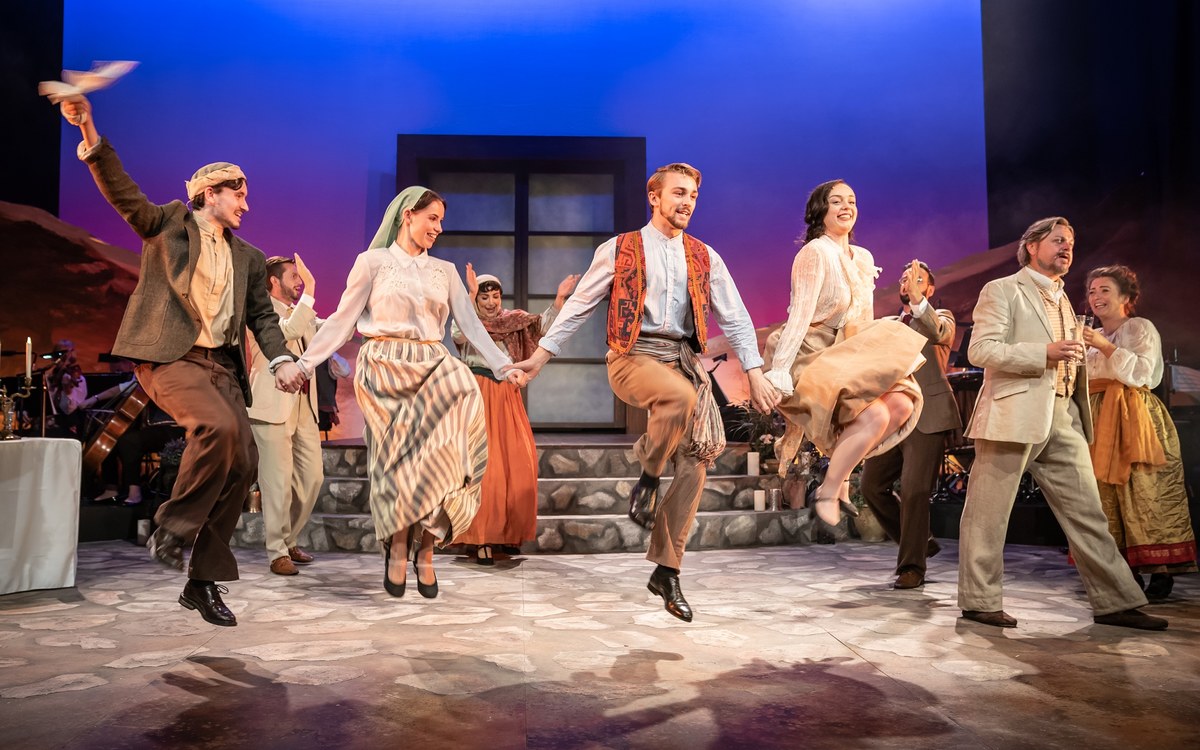
Gibran’s book has been been reinvented as a musical, which opened at London’s Theatre Royal Haymarket and was also staged at Lebanon’s Beiteddine Festival. (Supplied)
Naaman grew up in a household that revered the profound poetry of the man many Lebanese hail as a national treasure. As a teenager, Naaman read “The Prophet” for the first time and came to regard Gibran as a philosopher, guiding readers on how to live and how to treat one another.
“The thing that really struck me about Gibran was how impressive it was that he’s considered a national hero when, really, he spent no time in Lebanon,” said Naaman. “He emigrated to America at the age of 12 and changed the spelling of his name because he wanted to be considered a Westerner. He published his most famous book “The Prophet” in English, not in Arabic. And he never returned to Beirut after the age of 18 or 19. Now, 100 years later, the Lebanese population is the same — they have had to leave Lebanon to pursue their dreams and careers. Gibran was kind of one of the first people to do that.”
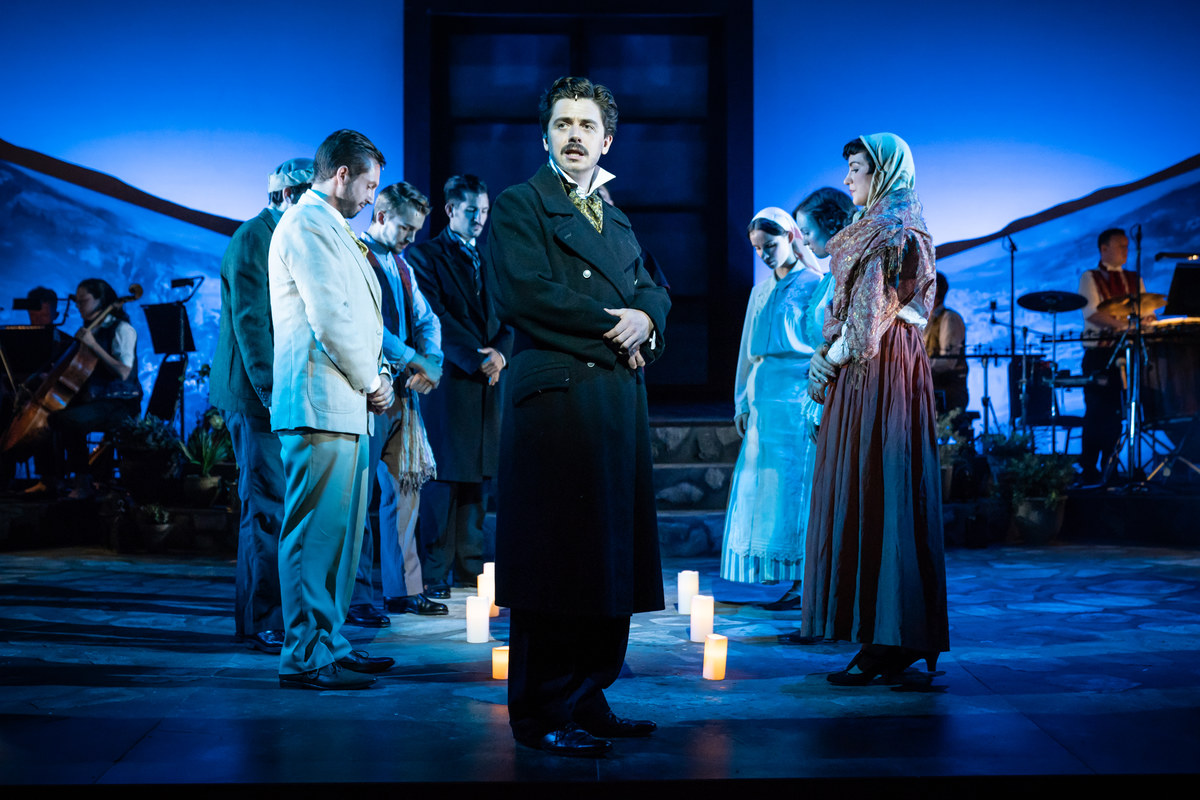
Lebanon’s beloved poet Kahlil Gibran — ranked third in the all-time list of bestselling poets — was 29 when his novel “The Broken Wings” was published in 1912. (Supplied)
Long after the death of Gibran, it seems that his often-rebellious body of work is timely, tackling universal themes such as one’s relationship with one’s homeland, women’s rights, and challenging societal norms. All these themes, and more, are explored in this accessible musical production, which Naaman hopes will give audiences a better understanding of the complexities of Gibran the man, as opposed to the writer.
What also makes “The Broken Wings” unique in the world of musicals is the fact that it’s one of the very few West End productions that is based entirely on an Arab personality and Middle Eastern setting. As Naaman says, “Why not have a musical that is set in Beirut? Why does it always have to be Paris, New York or London?”
In a world where representation matters more than ever, Naaman welcomes this line of thinking. “I trained in theater in London and I never once saw the real Middle East portrayed on stage, unless it was a story about war, terrorism, or things that become clichés about the Middle East in the West,” he said. “I think we needed an injection of Gibran — people need to know that the Middle East has minds like his.”


