


DUBAI: "Why were any civilian airlines flying out of Tehran airport in those conditions," a user named Shiva Balaghi tweeted on her @SBalaghi account, describing herself as "somewhere between academia & the art world".
Many Iranians asked on social media - a focus for public grief, anger and fierce debate in the aftermath of the disaster - why commercial flights had not been suspended when Iran's air defences were likely to be on edge.
The last tweet sent by a user named Sorush before taking off from Iran on a doomed Ukrainian airliner on his way back to university in Canada suggested he knew he was flying into danger.
"I was predicting that war would break out just at the time of my flight. Forgive me for anything bad I might have done," he tweeted in Farsi before the plane left Imam Khomeini International Airport in Tehran on Wednesday.
Minutes later, the Ukraine International Airlines Boeing 737 had crashed, and all 176 people on board were dead.
Images circulating on social media, which could not be independently verified, suggest it came down in a ball of flames.
Canada, which had 63 nationals on the flight, many of them dual Canadian-Iranian citizens, said it had seen intelligence that an Iranian surface-to-air missile had brought the plane down, probably in error. US officials agreed, although Iran vehemently denied the possibility.
As Sorush buckled up in his seat, Iran had just fired missiles at American military targets in Iraq in response to the killing of a prominent Iranian general by a US armed drone on Jan. 3. Iran was on alert for a US military response.
Family photos
Others shared images of the victims.
One was a selfie of a smiling mother and young daughter taken just before take-off, as they headed home to Toronto. The photo had been sent to a relative.
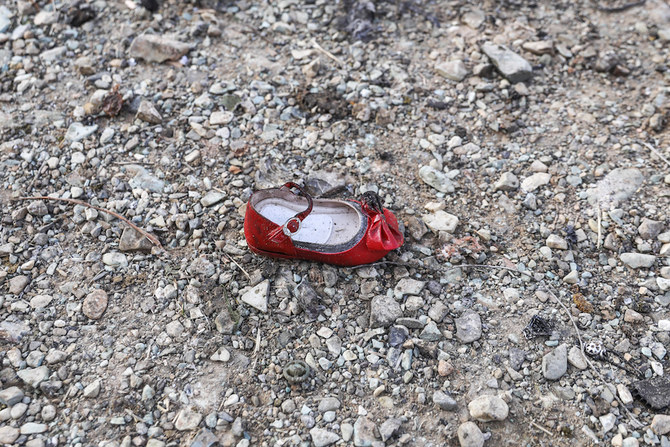
Another picture that went viral showed a child's red shoe in the dirt of the crash site.
On its Twitter account, Iran's semi-official Tasnim news agency posted an old photo of a couple who were killed in the crash standing next to General Qassem Soleimani, the elite Quds Force commander killed in the US drone strikes.
"The couple were graduates of Tehran's Sharif University and were studying in Canada. This photo was taken years ago in the city of Kerman (Soleimani's home town)," the agency said.
Some angry Twitter users posted images that they said showed that the Iranian authorities had already cleared debris from the scene of the crash. Iran denied that it had bulldozed the site.
The disaster was the biggest single loss of Canadian life since an Air India flight blew up in 1985 over the Atlantic. Flags in Canada were flown at half mast, while Canadians also posted images of mourners lighting candles on photos of victims.


