

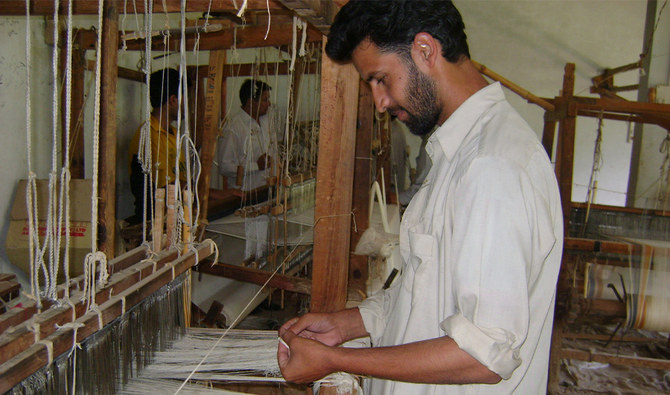

ISLAMPUR, KHYBER PAKHTUNKHWA: The weavers of Islampur have been busy since time immemorial, especially during the cold season when their shawls keep many a common man from the freeze of Swat winters. But not only common mortals have sought their woolen cloth there.
Historian Parvesh Shaheen narrates that the village of Islampur already existed in the 2nd century, when Kanishka the Great was in power. Back then it was known as Salutar and “maharajas, particularly those living on the banks of the Ganges and Jamna River, would take from this village cloth for their thrones and winter dress,” he told Arab News.
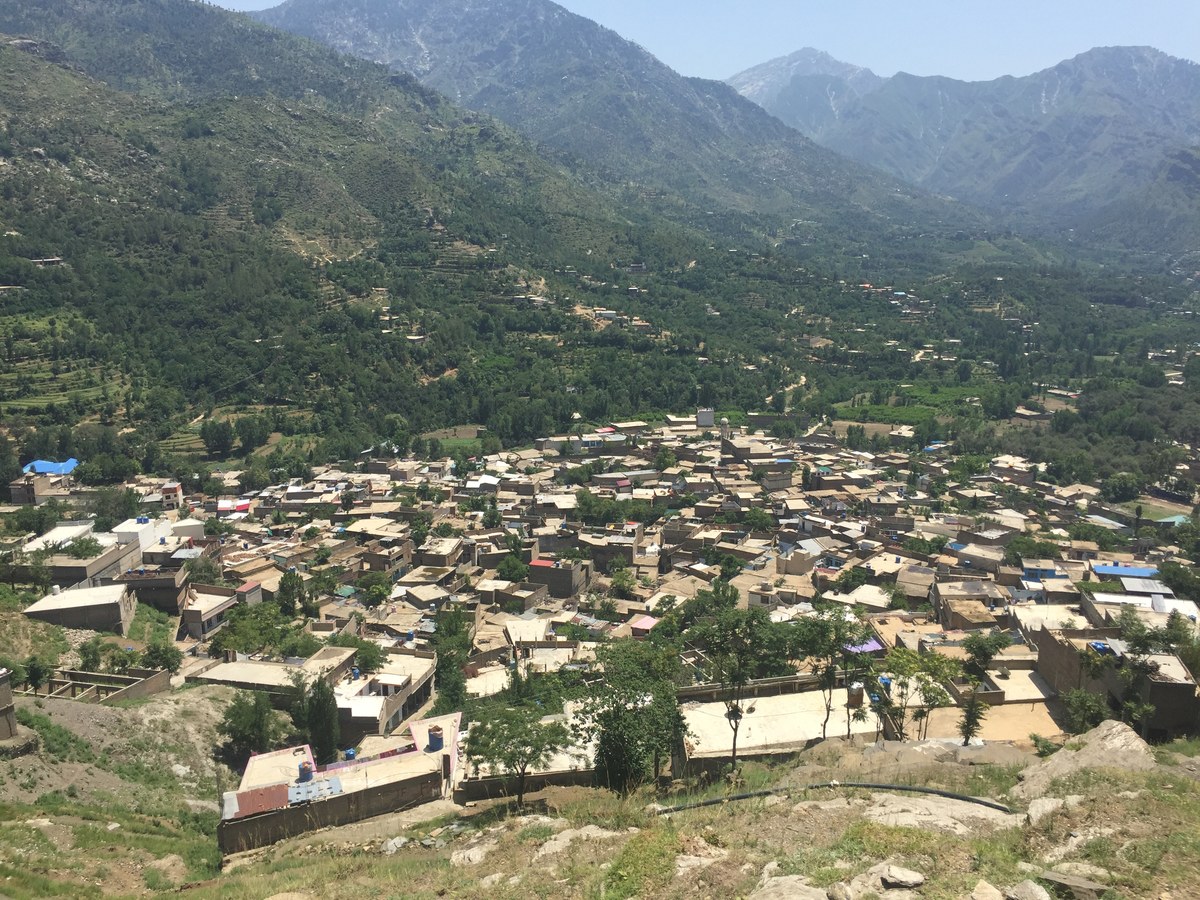
Islampur in Swat district, Khyber Pakhtunkhwa, is located in the middle of lush green mountains. (Photo by AN)
Islampur is located in the middle of lush green mountains, 12 kilometers from Mingora city in Swat district. While its own population is 18,000, its weaving industry provides employment to more than 20,000 outsiders. “No one is jobless in Islampur,” a saying popular in the region goes.
Qayyum Jan, 33, comes from Chitral district, but each year spends six months working in Islampur. He observes that demand for the region’s woolen products is increasing. Not doubt militancy has affected the historical fabric market, but it is regaining popularity, he told Arab News. One of the main factors behind it is digital technology. Most of loom owners have social media accounts. “These modern techniques have increased demand for Islampur woolen garments,” said Khan, whose wage also rose from several hundred rupees to over Rs1,000 a day.
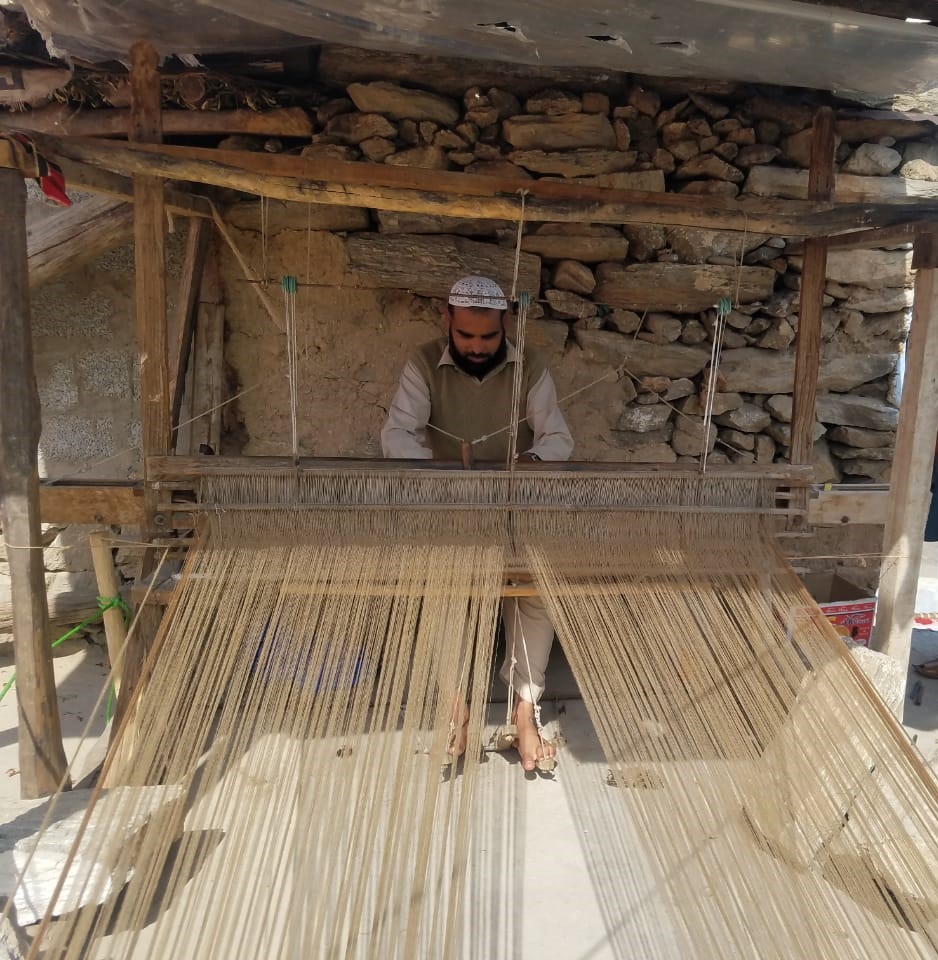
A weaver sits at his loom in Islampur, Swat district, Khyber Pakhtunkhwa on Nov. 30. (Photo by AN)
Income is expected to rise even more, as members of the local community have established the Islampur Cottage Industries Association (ICIA) to keep not only the fabric, but also business in their own hands.
Islampur-born Hazir Gul, who heads the ICIA, said they have introduced e-marketing to be less dependent on middlemen. “Weaving warm attires is the profession of our forefathers, it is sacred to every family here,” he told Arab News. “We have captured a big market for winter clothes across the country, but middlemen were exploiting our expertise.” Through the association, the community has more power to dictate terms and protect its own rights.
The village, where 70 percent of inhabitants depend on weaving for livelihood, it is one of very few such places where traditional craft younger generations do not run away in search for work and a better life elsewhere. Everyone is able to earn and be independent, both men and women. Riaz Ahmad, 49, who owns five looms and a fabric shop in the village, said his two daughters were able to pay half of their wedding expenses alone.
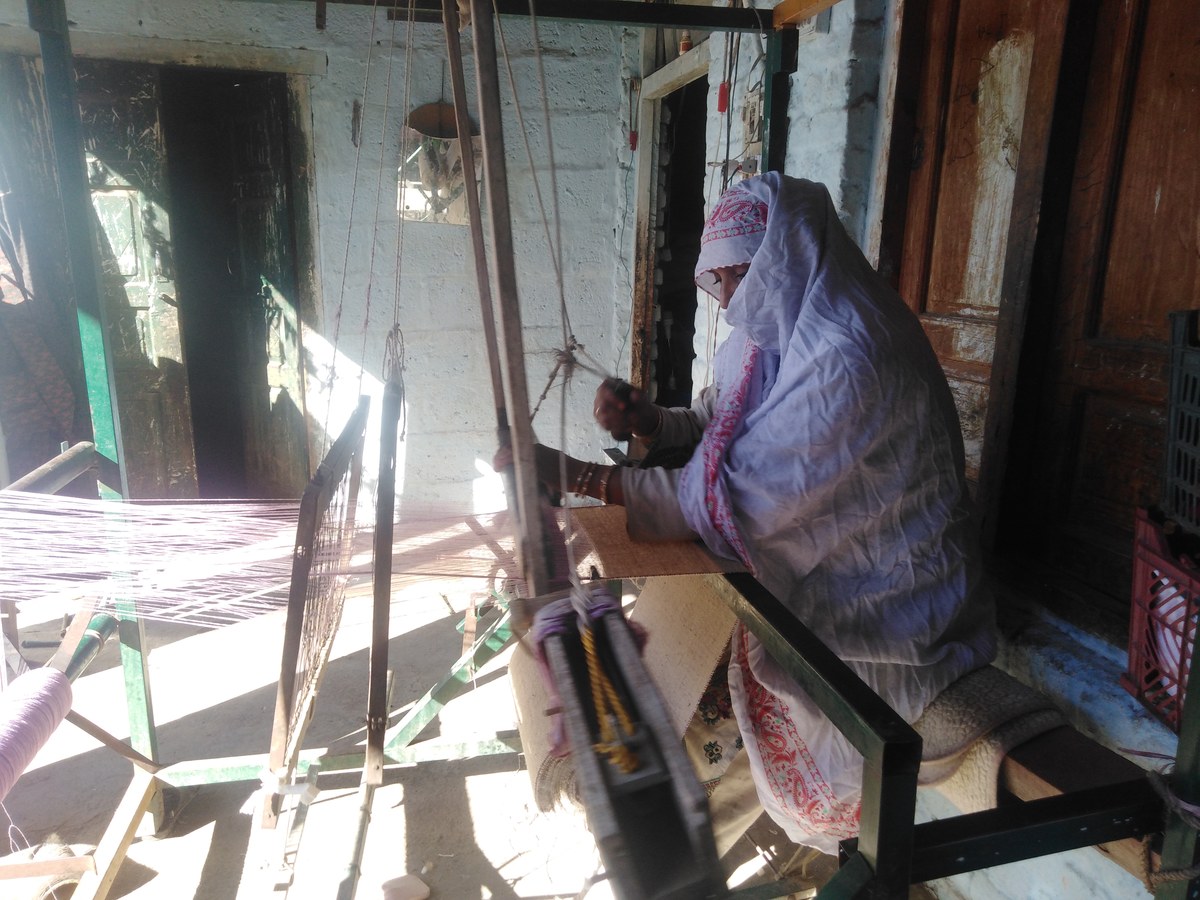
Weaving plays an important role in giving Islampur women financial independence. (Photo by AN)
Ahamad’s graduated son, Aurangzeb, chose to dedicate himself to the family’s legacy, to which attachment is both affectionate and solemn, full of respect. “We earn bread from these threads,” Ahmad said.
They know their craft “carries history and civilization.” It also draws significant revenue. According to ICIA, there are 4,000 looms in Islampur, each of them producing three pieces of cloth a day. Their prices vary. Shawls can cost from Rs2,000 to Rs60,000.
Some of them are sold through traditional means, as dozens of vendors on bicycles and motorcycles every day travel from the village to other regions in the district. But some, through the introduction of e-commerce, now have buyers also in Germany, Russia, Czech Republic and soon also in Norway – far beyond Swat, the province, and even the Ganges River.


