
DUBAI: Silicon Valley, a cluster of cities in the southern part of the San Francisco Bay Area in California, is synonymous with technology startups and businesses that have changed the world.
Apple, for instance, posted a net income of $55.26 billion in 2019, compared with $3.5 billion in 2007 when it first released its iPhone 1, according to a report by Statista, a leading provider of market and consumer data.
This manifold jump in income in a span of just 22 years makes Apple a major contributor to US economic growth. A 2018 report by Apple predicted that the company would contribute $350 billion to the US economy over the next five years.
Today, Saudi Arabia, which was responsible for 16.1 percent of global oil exports in 2018, is pushing for a growing role for technology in small and medium-sized enterprises (SMEs) with a view to positioning itself as a regional center of high technology and innovation.
Vision 2030, a reform program aimed at diversifying Saudi Arabia away from oil dependency and creating new-economy jobs for a young population, has made it possible to imagine such a transition.
A new set of objectives have been given to captains of the SME sector aimed at making it a vital contributor to the country’s economy by lifting its contribution to the GDP from 20 percent to 35 percent by 2030.
TECHFACTS
- Saudi Arabia aims to become a regional center of hi-tech and innovation by 2030.
- A number of public and private entities are offering funds, loans and investments to tech SMEs.
- Second quarter of 2019 showed unemployment rate of 12.3 percent (General Authority for Statistics).
- Edu-tech startup Noon Academy raised $8.6 million in Series A investment round this year.
One way for Saudi Arabia to achieve this target is by using technology in small businesses, entrepreneurs say, adding that not only does technology help to attract investors, but it also increases job opportunities and raises competitiveness between SMEs and corporations.
“Tech investments — major and minor — have come out of Saudi Arabia since Silicon Valley was in its early days. It is actually one of the longest-standing investor-investee relationships,” said Prince Khaled bin Alwaleed bin Talal Al-Saud, founder of KBW Investments and KBW Ventures and co-founder of the property developer Arada.
The Kingdom has established a number of public and private entities — Monshaat, King Abdullah University of Science and Technology and MISK Academy, to name just three — that offer funds, loans and investments.
Speaking to Arab News on the sidelines of the recent Sharjah Entrepreneurship Festival, Prince Khaled said that it is not always possible to get an angel investor or an entity to invest in a business as investors look for unique ideas and business viability.
One way for an entrepreneur to attract the attention of investors is by establishing a business that responds to clients faster than other tech companies.
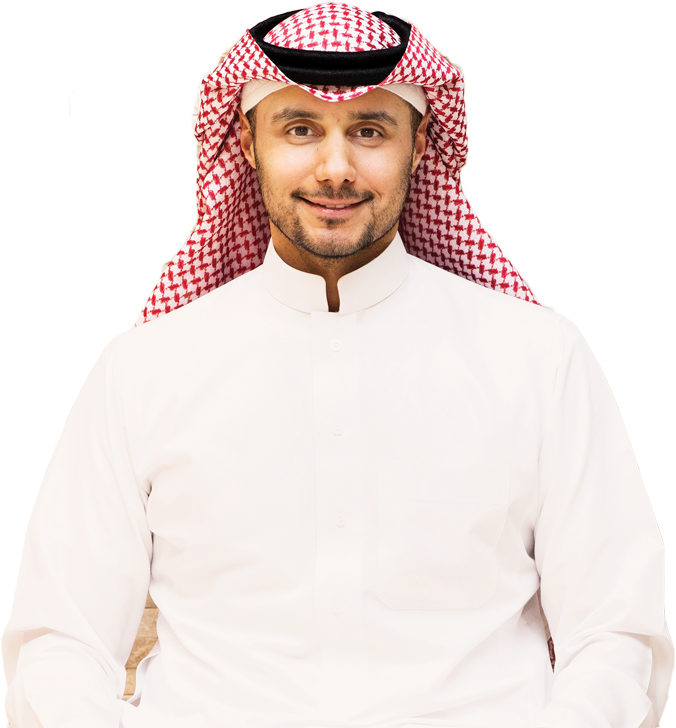
Prince Khaled bin Alwaleed bin Talal Al-Saud, founder of KBW Investments and KBW Ventures and co-founder of the property developer Arada. (Supplied)
Another element that helps entrepreneurs create partnerships with investors is transparency.
“I think consistent communication not only improves relationships,” he said. “It also prevents any misunderstanding that could arise.”
Fadi Al-Awami, an SMEs and entrepreneurship consultant, said that investors are interested in technologies that offer solutions to existing problems and have the potential for geographical expansion into other markets.
“Also, the return on investment should be very attractive. There should be a clear exit strategy or at least a strategy for making high profit,” he said in an interview at the Sharjah Entrepreneurship Festival.
Investing in SMEs allows companies to expand, thus creating job opportunities.
SMEs make up about 90 percent of enterprises and account for more than 50 percent of employment worldwide, according to a World Bank report. The fact that “600 million jobs will be needed by 2030 to absorb the growing global workforce makes nurturing an SME ecosystem a priority for governments around the world.”
According to the Saudi government’s General Authority for Statistics, the second quarter of 2019 showed an unemployment rate of 12.3 percent. The aim by 2030 is to lower the unemployment rate to 7 percent, according to a Vision 2030 report.
Prince Khaled gave an example of how tech SMEs can help to generate jobs. He said that if an entrepreneur decides to create a line of wooden toys and sells them on Instagram, he or she will need supplies to create the products, such as wood, tools and so on.
“That wood is collected by someone, potentially refined down to sellable stock by another, and maybe delivered by yet another,” he said.
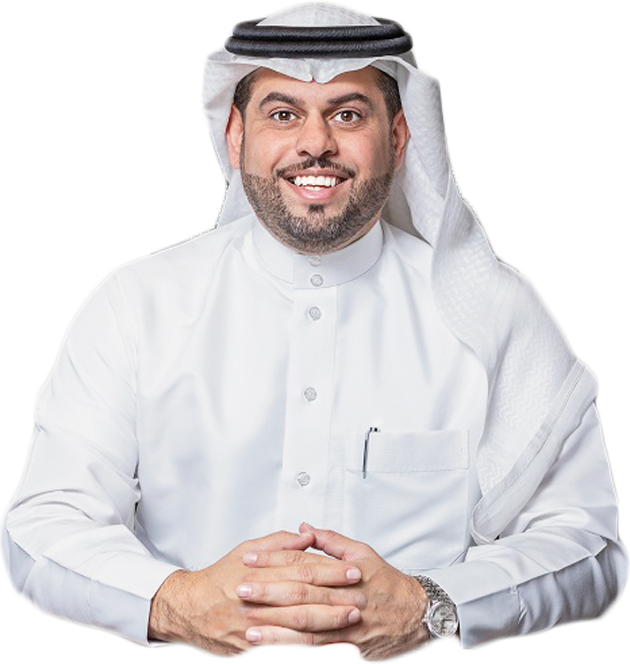
Fadi Al-Awami, SMEs and entrepreneurship consultant, below: Investors are interested in technologies that have the potential for geographical expansion into other markets. (Supplied)
Imagine now that the entrepreneur decides to get help with Instagram ad buying. This may require an arrangement with another freelancer. They might even get busy and big enough to engage a small social media agency and, later, a web developer for e-commerce, said Prince Khaled.
Al-Awami said that Saudi entrepreneurs are already using technology in their businesses. He pointed to a number of tech-business success stories inside the Kingdom: “Ten Saudi startups have been chosen among the most promising Arab startups at the World Economic Forum for this year.”
Tech Pills, Foodics, HalalaH, Lucidya, Mrsool, HungerStation, Morni and Noon Academy are examples of recent entrants to the nascent Saudi tech-business field.
Al-Awami cites Noon Academy as an example of an educational platform that is considered one of the fastest growing on-demand ed-tech startups in the Middle East, with more than two million registered students.
The company raised $8.6 million in a Series A investment round this year and was chosen as one of the most promising startups in the Arab world at the World Economic Forum, according to Al-Awami.
Prince Khaled said that women and men in Saudi Arabia are ready to break ground in emerging technologies as many of the startups employ intelligent and imaginative Saudis.
“This is how the entrepreneurs of our country can increase everything from community engagement and employment rates to inclusion.”
Although Saudi Arabia is steadily becoming more entrepreneur-friendly, SMEs still have to put up with slow and cumbersome administrative processes, according to a Vision 2030 report.
The good news is that the Kingdom has begun to address these challenges and, according to Prince Khaled, there is burgeoning government support for the SME ecosystem.
“You can get mentorship, incubation, acceleration, partnerships, grants, investments — literally everything you may need to jumpstart your venture,” he said.
Entrepreneurs who establish tech enterprises that can help to develop or secure the Kingdom’s main source of income are likely to succeed. Al-Awami said that entrepreneurs should focus on technology in the oil and gas sector.
“I think there are still great opportunities to support this sector by providing innovative solutions involving the use of technology,” he said, underscoring opportunities for cybersecurity companies in a country where the oil and gas sector accounts for about 50 percent of its GDP and about 70 percent of its export earnings.
Investors and entrepreneurs say small businesses contribute to any local economy, and that Saudi Arabia is no exception. They help to stimulate economic growth by offering job opportunities to individuals who are not selected by larger corporations.
Al-Awami said that he advises aspiring entrepreneurs to be committed and passionate about what they are doing. They should offer solutions, not just a product or service, and they must always think how to improve their customers’ experience.