ISLAMABAD: Pakistan plans to build an interfaith highway by facilitating Hindus and Buddhists who want to visit religious sites significant to their faith after the inauguration of its flagship Kartarpur corridor project this week, said the foreign office spokesman, Dr. Muhammad Faisal, on Thursday while announcing Prime Minister Imran Khan’s agenda to strengthen religious tourism in the country to help its dwindling economy.
A joint initiative of India and Pakistan, the Kartarpur Corridor is designed to connect the Sikh shrines of Dera Baba Nanak Sahib in India’s Punjab province to Gurdwara Darbar Sahib in Pakistan’s Kartarpur, a small town located 125 km northwest of Lahore and only four kilometers from the Indian border.
Guru Nanak is the founder of the Sikh faith and Darbar Sahib is his last resting place.
Pakistan will facilitate the visa-free travel of 5,000 pilgrims arriving through the corridor on a daily basis. The visiting Sikhs will be allowed to worship till the complex shuts down at 5 pm in the evening.
During a weekly press briefing centered mostly on the corridor initiative, Faisal said that facilitating Sikh devotees was part of Pakistan’s plan to revive its tourism industry which was neglected in the past decades before it was undermined by a surge of militancy in the region after the 9/11 attacks in the United States.
Highlighting the steps taken by the government to welcome more than 10,000 Sikh pilgrims from around the world, including 5,000 from India, for the corridor’s inauguration by Prime Minister Imran Khan on November 9, the spokesman said the country also wanted to facilitate Hindus and Buddhists to attract more international tourists belonging to different faiths.
“Buddhists are interested in sites reminding them of Lord Buddha” in Pakistan, Faisal said while referring to a recent visit of a 15-member delegation of Monks from Thailand, which was led by The Most Venerable Arayawangso, to Gandhara heritage sites.
In a meeting with the Buddhist delegation, the spokesman added, Foreign Secretary Sohail Mahmood highlighted that the government was “facilitating religious tourism in Pakistan with the common message of peace, harmony and understanding among all religions.”
Expressing his gratitude to the Pakistani official, The Most Venerable Arayawangso hoped that the visit would “encourage tourists from Thailand and other countries to visit Pakistan and study its Buddhist heritage.”
Faisal said: “This government is highly focused on religious tourism and you will also see many other initiatives in the future, which are in the pipeline now, that will support other forms of tourism as well.”
“Tourism will flourish which will enable the country’s economic growth and become its source of income. In many countries, tourism is a primary source of earning and we are beginning to tap into this industry,” he said.
In March this year, Prime Minister Khan had announced a new visa policy to welcome the world in a bid to revive Pakistan’s tourism industry, saying that citizens of 175 countries would be able to apply for online visas, three months after Pakistan said it would offer visas on arrival to visitors from 50 countries.
The latest visa system has produced satisfactory results with “44,705 applications received via Pakistan Online Visa System,” said the interior ministry’s additional secretary and spokesperson, Abdul Aziz Uqaili, while talking to Arab News.


![]()

Pakistan eyes religious tourism to revive economy
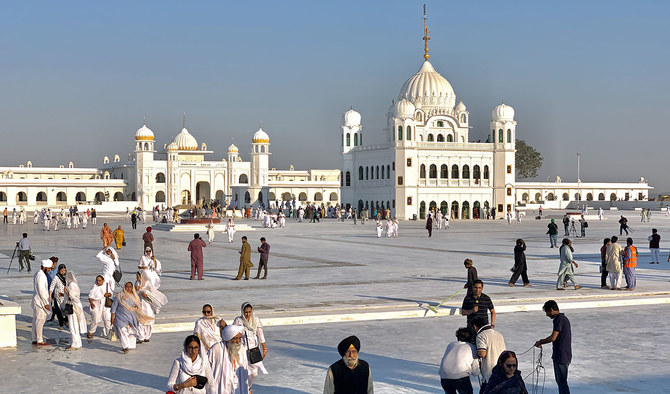
Pakistan eyes religious tourism to revive economy
- Promoting religious sites of Hindus and Buddhists next on the country’s agenda
- The ruling administration sees tourism as essential for Pakistan’s economic growth
Latest updates


© 2026 SAUDI RESEARCH & PUBLISHING COMPANY, All Rights Reserved And subject to Terms of Use Agreement.