Software behind self-driving Uber crash did not recognize jaywalkers

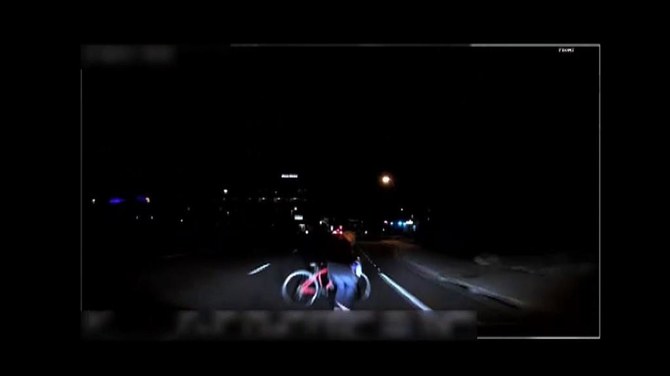
This video grab made from dashcam footage released by the Tempe Police Department shows the moment before the collision of ride-sharing Uber’s self-driving vehicle and a pedestrian in the city of Tempe, Arizona on March 18, 2018. (Tempe Police Department/AFP)
Updated 06 November 2019
Follow

Software behind self-driving Uber crash did not recognize jaywalkers

  • The car’s software spotted the 49-year-old woman nearly six seconds before the vehicle hit her
  • The system at no time ‘classified her as a pedestrian’ but rather considered her an object

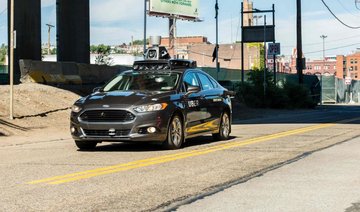
NEW YORK: An Uber self-driving car that struck and killed a woman last year in Arizona failed to recognize her as a pedestrian because she was jaywalking, US transport regulators said Tuesday.
The woman had been crossing the street “at a location without a crosswalk; the system design did not include a consideration for jaywalking pedestrians,” the US National Transportation Safety Board (NTSB) said in a statement.
In a preliminary report, the NTSB had already determined that the car’s software spotted the 49-year-old woman nearly six seconds before the vehicle hit her, as she walked across the street at night with her bicycle in Tempe, a suburb of Phoenix.
According to the latest report, which was issued ahead of a November 19 hearing to officially determine the accident’s cause, the system at no time “classified her as a pedestrian” but rather, considered her an object.
When the software determined that a collision was imminent approximately 1.2 seconds before impact, it suppressed any “extreme braking or steering actions” to reduce the potential for erratic vehicle behavior.
It did, however, produce “an auditory alert to the vehicle operator as it initiated a plan for the vehicle slowdown.”
Following the March 2018 accident, Uber suspended its autonomous driving testing in all locations in the United States but resumed the program several months later.
The company has assured the NTSB that new technology in the cars will correctly recognize pedestrians in similar situations and trigger braking more than four seconds before impact.
According to the report, 37 crashes involving Uber automatic test vehicles operating in autonomous mode occurred between September 2016 and March 2018, excluding the Arizona crash.


Apple to update EU browser options, make more apps deletable

Updated 22 August 2024
Follow

Apple to update EU browser options, make more apps deletable

  • iPhone maker came under pressure from regulators to make changes after the EU’s sweeping Digital Markets Act took effect on March 7
  • Apple users will be able to select a default browser directly from the choice screen after going through a mandatory list of options

STOCKHOLM: Apple will change how users choose browser options in the European Union, add a dedicated section for changing default apps, and make more apps deletable, the company said on Thursday.
The iPhone maker came under pressure from regulators to make changes after the EU’s sweeping Digital Markets Act took effect on March 7, forcing big tech companies to offer mobile users the ability to select from a list of available web browsers on a “choice screen.”
The new rules require mobile software makers to show the choice screen where users can select a browser, search engine and virtual assistant as they set up their phones, which earlier came with preferred options from Apple and Google.
In an update later this year, Apple users will be able to select a default browser directly from the choice screen after going through a mandatory list of options.
A randomly ordered list of 12 browsers per EU country will be shown to the user with short descriptions, and the chosen one will be automatically downloaded, Apple said. The choice screen will also be available on iPads through an update later this year.
Apple released a previous update in response to the new rules in March, but browser companies criticized the design of its choice screen, and the Commission opened an investigation on March 25 saying it suspected that the measures fell short of effective compliance.
The company said it has been in dialogue with the European Commission and believes the new changes will address regulators’ concerns.
It also plans to introduce a dedicated area for default apps where a user will be able to set defaults for messaging, phone calls, spam filters, password managers and keyboards.
Users will also be able to delete certain Apple-made apps such as App Store, Messages, Camera, Photos and Safari. Only Settings and Phone apps would not be deletable.