



DUBAI: For some, first impressions are everything. To many Arabs who have visited Japan, their first impression of the population was that they were hardworking, organized, and punctual.
A joint Arab News-YouGov survey conducted across 18 countries in the Arab world showed that this perception was also consistent among respondents who have not yet visited Japan but hope to do so in the future.
Along with other words used to describe the Japanese people, such as “polite,” “creative” and “respectful,” 61 percent of respondents used “hardworking,” 54 percent “organized,” and 42 percent “punctual.”
Arab perceptions of Japanese culture appear to be influenced by the mainstream media, anime and the country’s export industries, such as automobiles and electronics.It comes as no surprise that Toyota is considered a favorite among Japanese car brands (35 percent), followed by Nissan and Lexus at 13 per cent.
Similarly, more than half of younger respondents between the ages of 16 and 24 were primarily reminded of anime when asked about Japanese culture.
Speaking to Arab News, Junko Katano, a Japanese journalist, said: “Japanese people are very honest and sincere with foreign visitors.
“They are shy, especially when they meet foreigners, since the main problem is language. They are afraid to be asked questions in English or in any other language that they do not understand.”Considering that less than 20 percent of the Japanese population can speak English professionally or at a basic conversational level, language is often a barrier for many Japanese residents when attempting to communicate with tourists from around the world.
This may explain why only 7 percent of survey respondents who had not visited the country and 15 percent of those who had referred to Japanese people as “tolerant.”
The survey also showed that words such rude, lazy and angry were extremely uncommon when describing Japanese people.
Caption
Katano further referred to the roots of the Japanese culture, based on the concept of “Wabi Sabi.”
The concept follows a less-is-more mentality, with Wabi meaning “simplicity” and Sabi refering to taking pleasure in the imperfect.
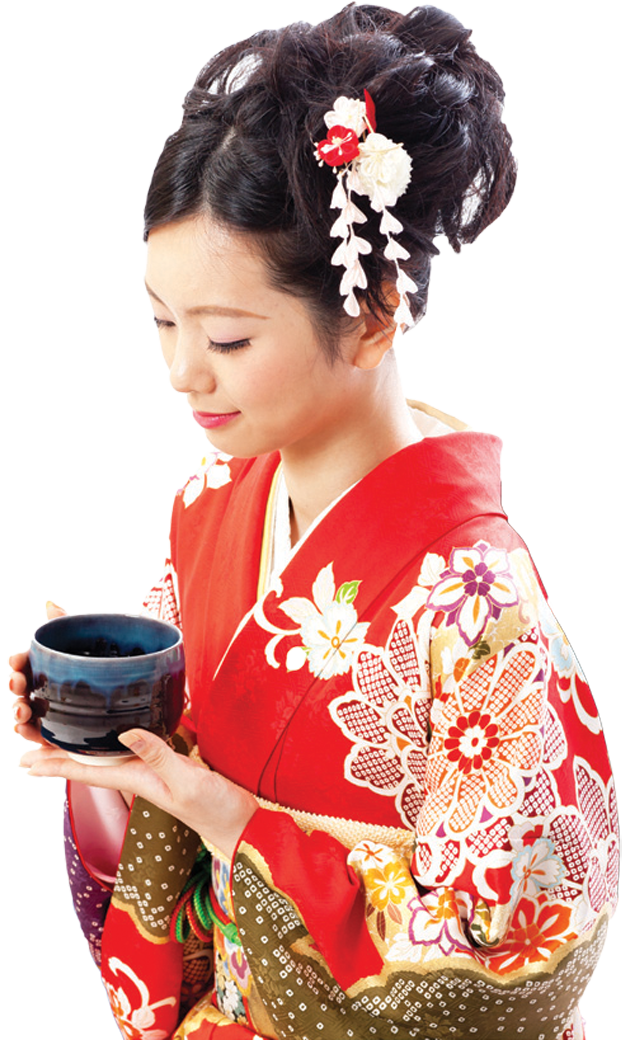
“This concept can be seen in the Japanese tea ceremony and the Ikebana flower arrangement,” Katano told Arab News.
“The main theme in these art forms is concentration, while working under strict regulations in an environment of respect and harmony.”
Shifa Zghoul, an architect, designer and researcher who lived in Japan for 22 years before moving back to her home country Jordan, described the Japanese people as “kind and warm people who are very hardworking” and who “appreciate” other hard workers.
“Once a friendship is formed, you become family to them,” she said.
“Their lack of ways of communication, due to language barriers, makes them extra shy about reaching out to foreigners.
“However, once they overcome such barriers, they dip deep into other cultures to learn more about them.”
Zghoul, who first moved to Japan in 1996, said she has interacted with Japanese people and experienced the environment as a student, an architect and most recently as the wife of an ambassador.
“The Japanese people respect teamwork, which is lacking in our side of the world,” she said. “They work in teams and are very organized, and their culture is a great source of inspiration and energy in their lives.”
Portrayed to be a population that is more focused on their own country, the younger generation of Japan is more “curious” and tend to think outside the box, said Zghoul.
“Most of the older generations remain island people, whose entire world is just Japan.”


