NEW DELHI: The prime ministers of India and Bangladesh have agreed on the need for greater efforts to facilitate the safe return of hundreds of thousands of Rohingya refugees who have fled violence in Myanmar and taken refuge in Bangladesh.
A joint statement Saturday during a visit to India by Bangladeshi Prime Minister Sheikh Hasina says that she and Indian Prime Minister Narendra Modi agreed that the measures should include improving security and socio-economic conditions in Myanmar's Rakhine state.
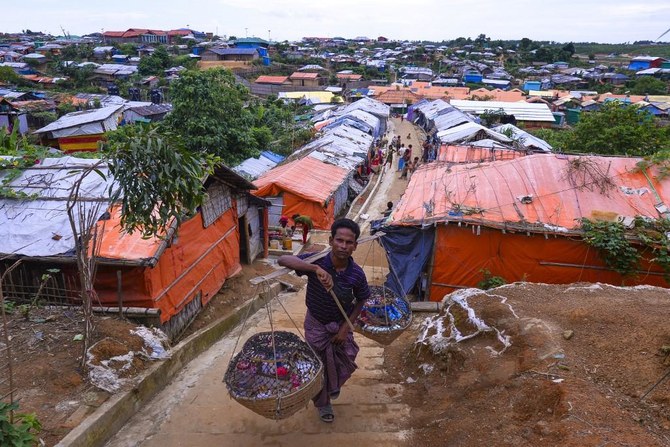
The statement says that India will provide additional humanitarian aid to help refugees living in neighboring Bangladeshi camps.
In what has become Asia's largest refugee crisis in decades, some 700,000 Rohingya Muslims have taken shelter in Bangladesh.
The two leaders have also signed agreements on security, energy and transport.


![]()

India, Bangladesh stress safe return of Rohingya refugees
India, Bangladesh stress safe return of Rohingya refugees
- In what has become Asia's largest refugee crisis in decades, some 700,000 Rohingya Muslims have taken shelter in Bangladesh
- The statement says that India will provide additional humanitarian aid to help refugees living in neighboring Bangladeshi camps


Latest updates


Recommended


© 2026 SAUDI RESEARCH & PUBLISHING COMPANY, All Rights Reserved And subject to Terms of Use Agreement.