

Saudi Arabia’s school transport fleet ready for new academic year

1 / 5
School buses of Tatweer Education Holding Co., the Saudi Ministry of Education’s school transport service provider, are ready for the new school year in the Kingdom. (SPA)
2 / 5
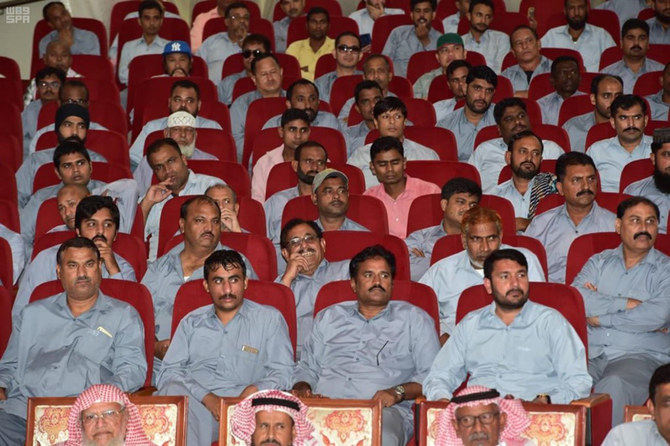
School bus drivers attend a workshop on “Safe Driving” organized by the Royal Commission for Jubail and the Jubail Traffic Department. (SPA)
3 / 5
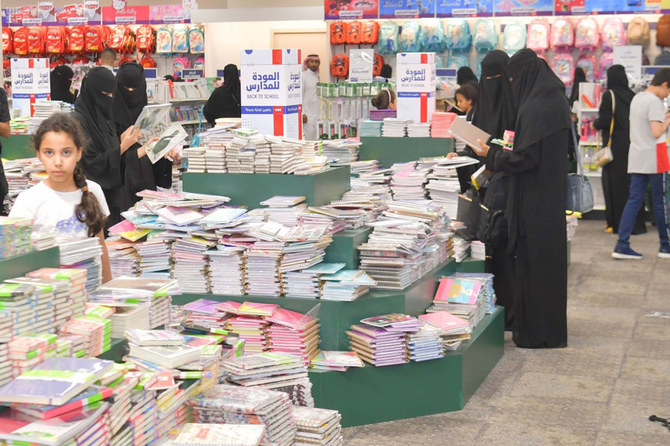
Students in Jeddah buy their school needs ahead of the opening of the new school year. (SPA)
4 / 5
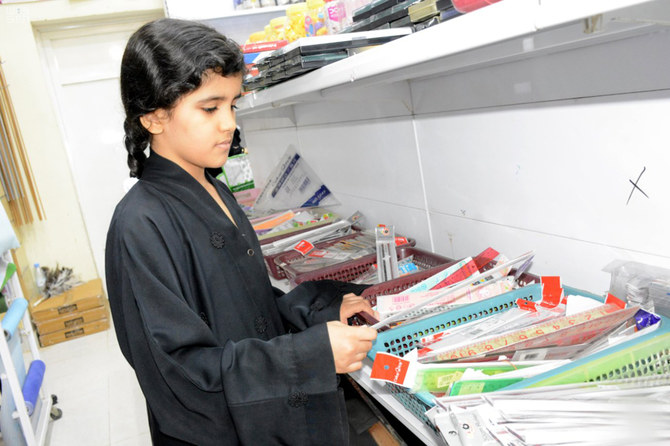
A students in Jazan buys her school needs ahead of the opening of the new school year. (SPA)
5 / 5
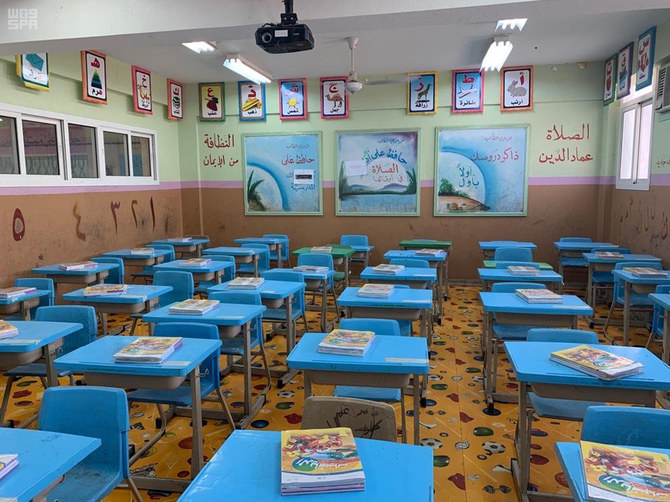
A classroom in Tabuk is readied for the new school year. (SPA)
Updated 01 September 2019
Follow

Saudi Arabia’s school transport fleet ready for new academic year

  • Tatweer to serve 1.2 million students in 18,000 schools

RIYADH: The Kingdom’s school transport fleet will serve 1.2 million students from 18,000 schools in the country from Sunday as the new academic year begins, the Saudi Press Agency reported.

The fleet comprises 25,000 buses and other vehicles. Around 15 percent of the buses are new. There are about 28,000 drivers, technicians, administrators and field observers engaged in providing this new service, and the school fleet is expected to make 9 million trips this year.

The transport services are being provided by Tatweer Education Holding Co., the Ministry of Education’s school transport service provider, which has completed all the technical and operational preparations needed to enhance the quality of the school transport service.

Tatweer is also serving students with disabilities, preparing 4,500 buses and vehicles to help 30,000 pupils with disabilities.
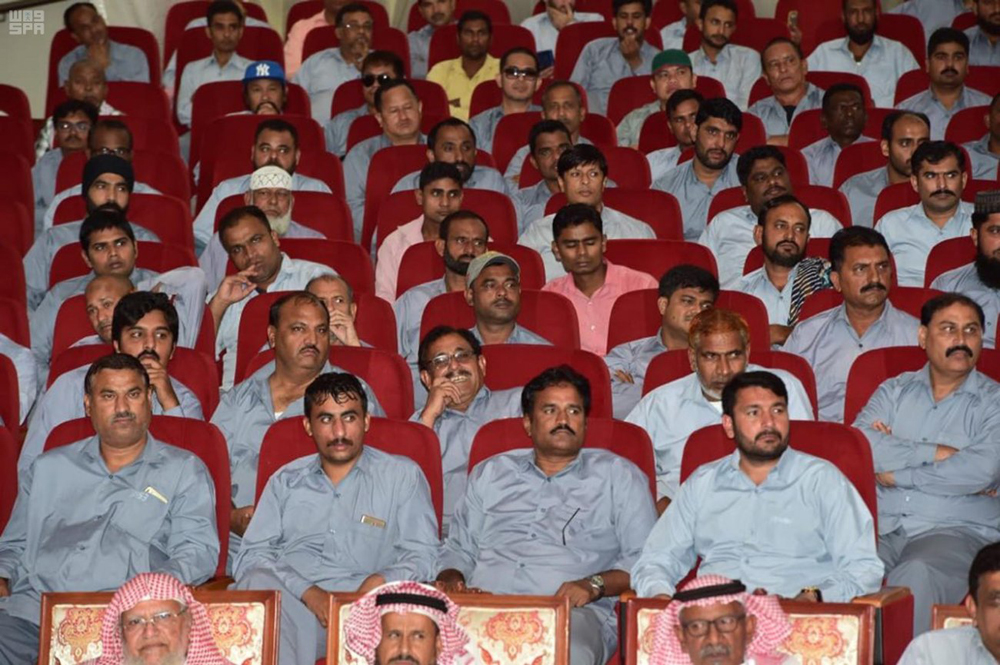


School bus drivers attend a workshop on “Safe Driving” organized by the Royal Commission for Jubail and the Jubail Traffic Department. (SPA)

The firm is using technology to enhance security and safety, including monitoring, automatic fleet tracking and a new operational data management system.

It is worth mentioning that Tatweer Education Holding Co. recently called on, before the start of the new academic year, all parents wishing to benefit from the school transport service for their children in general education to register in the service through the “Noor” electronic system link: https://noor.moe.gov.sa/NOOR/Login.aspx. 

FAST FACTS

  • Tatweer fleet comprises 25,000 buses and other vehicles. Around 15 percent of the buses are new.
  • Tatweer is also serving students with disabilities, preparing 4,500 buses and vehicles to help 30,000 pupils with disabilities.

The company said that the service will be provided only to students enrolled in the system.

Meanwhile, more than 1,900 schools in Madinah have finished their preparations for the new academic year and are set to welcome more than 300,000 students of all ages. More than 1,800 institutions in Taif are ready to receive more than 250,000 students.

Government department directors are visiting schools to motivate students and teachers.
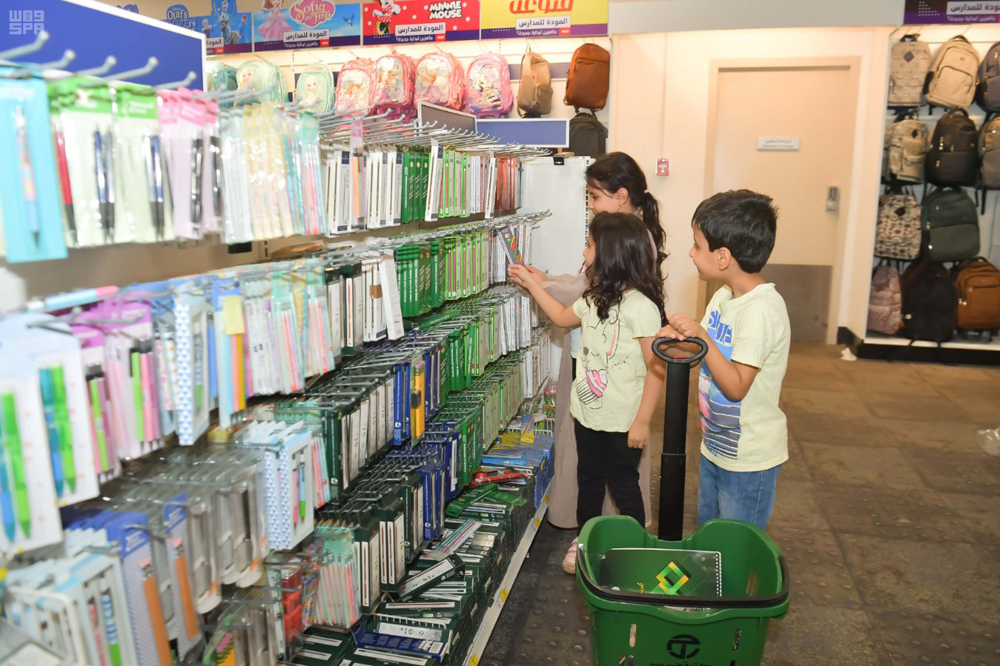


Students in Tabuk buy their school needs ahead of the opening of the new school year. (SPA)

The Directorate General of Education in Najran region has completed its preparations to receive more than 91,000 students in various stages of public education.

In Hafr Al-Batin governorate, almost 105,000 students will join studies at 567 schools.

More than 469,000 students and 29,095 teachers in the Eastern Province resume school on Sunday. In Tabuk, more than 200,000 students will join study programs at more than 1,200 schools.


Training programs

The Hadaf Excellence Academy, which aims to prepare future leaders in the private sector, will start training programs and courses on Sunday.

The academy aims to train and qualify Saudi employees to take management and leadership positions in the private sector.

To join the academy, applicants must be Saudi, work in the private sector, hold a bachelor’s degree, have five years’ practical experience and at least two years’ experience in supervision and management, and have a mastery of English.


Saudi Arabia, Estonia strengthen cyber defense cooperation

Updated 09 February 2026
Follow

Saudi Arabia, Estonia strengthen cyber defense cooperation

  • Renowned for its leadership in digital governance, Estonia sees cybersecurity as central to its partnership potential with Saudi Arabia, building on years of regional engagement through its technology firms

RIYADH: Estonia aims to deepen defense, cybersecurity, and artificial intelligence cooperation with Saudi Arabia as both nations look to advance technology‑driven defense and cybersecurity capabilities.

Hanno Pevkur, Estonia’s minister of defense, told Arab News at the World Defense Show in Riyadh on Monday that Estonia’s defense industry is eager to contribute to the Kingdom’s fast‑growing defense ecosystem.

“In the modern world, cooperation built on trust and technology is the best defense,” he said. “It is important for us to be here because we clearly see there is a possibility to increase cooperation, not only bilaterally between Saudi Arabia and Estonia, but across the region.”

At Estonia’s pavilion, a cooperation agreement was signed between an Estonian company and a Saudi firm during the show, he noted.

Pevkur also said Estonia’s defense sector has expanded rapidly in recent years, driven by technological innovation and partnership.

“Our defense industry is growing very rapidly, and we continue to see strong momentum,” he said.

He said Estonia’s strengths lie in digital and smart‑system integration rather than large‑scale weapons production.

“We will not build airplanes or tanks, but what we can do is integrate robotics, automation and drones to make existing systems smarter,” he said.

The minister said effective defense collaboration must link businesses and governments to achieve meaningful results.

“When we want to have real cooperation, we need it on all levels,” he said. “The biggest client for any defense company is the government, so we must treat this as one ecosystem where the public and private sectors work hand in hand.”

Renowned for its leadership in digital governance, Estonia sees cybersecurity as central to its partnership potential with Saudi Arabia, building on years of regional engagement through its technology firms.

Pevkur said several Estonian companies, including Nortal, have already assisted Gulf governments in developing open IT and digital‑service systems.

“As the most digitalized nation in the world, almost every service in Estonia can be done online, except getting married,” he said. “But with such digitalization, we also need strong cyberdefense.”

He said data protection and digital resilience are treated as matters of national sovereignty in Tallinn, the capital of Estonia.

“Data is what we own. When someone steals that data, it becomes a serious threat,” he added. “That is why cyberdefense is not just about technology, it is about trust, sovereignty and protection.”

Pevkur said Saudi Arabia’s advances in AI offer promising opportunities for collaboration.

“I know that Saudi Arabia is doing great work when it comes to AI,” he said. “For us, as a small country with limited human resources, AI is essential not just for defense but for everyday life.”

Pevkur added that Estonia has launched a national AI strategy to promote responsible development and closer coordination between government and industry. One Estonian company, he said, has developed a system that allows a single operator to control hundreds of drones through AI.

“It is quite easy to put a weapon into the hands of a robot, but we also need to define who is accountable for its actions,” he said.

“The big question for the future is whether we can allow a war to be fought entirely by AI, or if humans must always make the final ethical decisions.”

He said in his conclusion that governments must reach a common understanding on how AI will be used and regulated on the battlefield.