RIYADH: More than 3.7 million violators of residency, work and border security systems have been arrested in Saudi Arabia, according to an official report.
Since the campaign began in November 2017, there have been 3,714,418 offenders, including 2,899,318 for violating residency regulations, 572,573 for labor violations and 242,527 for border violations, the Saudi Press Agency reported on Saturday.
The report said that 62,852 people were arrested while trying to cross the border into the Kingdom, 46 percent of whom were Yemeni citizens, 51 percent were Ethiopians and 3 percent were of other nationalities.
2,718 people were arrested for trying to cross the border into neighboring countries and 4,139 were arrested for involvement in transporting and harboring those violators. 1,543 Saudi citizens were arrested for harboring the violators against local laws, of which 86 are being detained, pending the completion of procedures.
The total number of offenders subject to procedures is 15,556, comprising 13,306 men and 2,250 women.
Immediate penalties were imposed on 521,252 offenders; 474,221 were transferred to diplomatic missions to obtain travel documents; 617,581 were transferred to complete their travel reservations, and 918,203 were deported.


![]()

More than 3.7 million held for residency, border violations across KSA
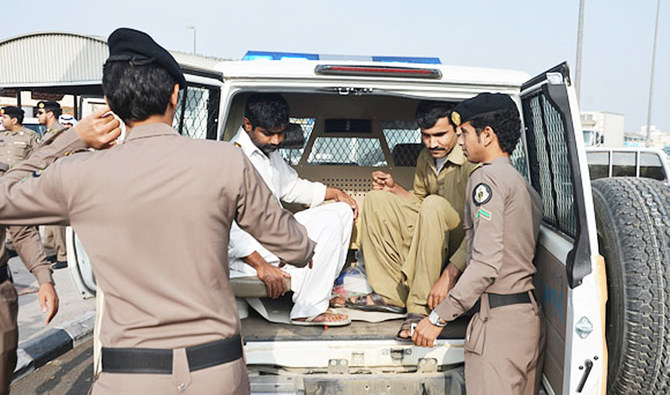
More than 3.7 million held for residency, border violations across KSA
- 2,718 people were arrested for trying to cross the border into neighboring countries


Latest updates



© 2026 SAUDI RESEARCH & PUBLISHING COMPANY, All Rights Reserved And subject to Terms of Use Agreement.