



JEDDAH: Saudi Arabia and the UAE urged Yemenis on Monday to observe a cease-fire in Aden and resolve their differences through dialogue.
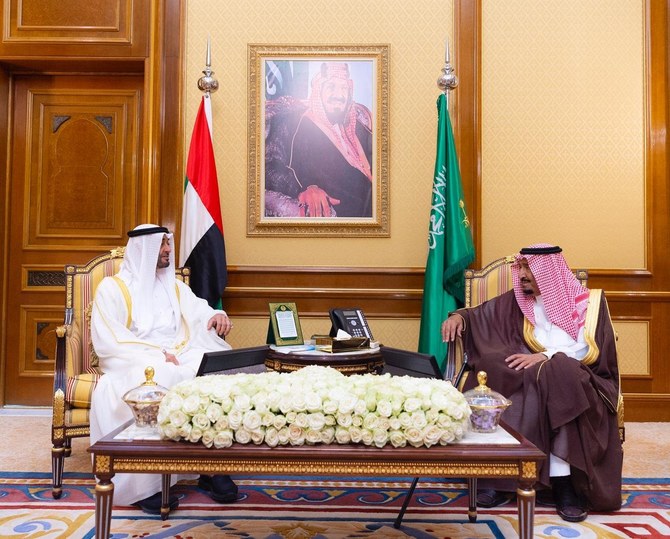
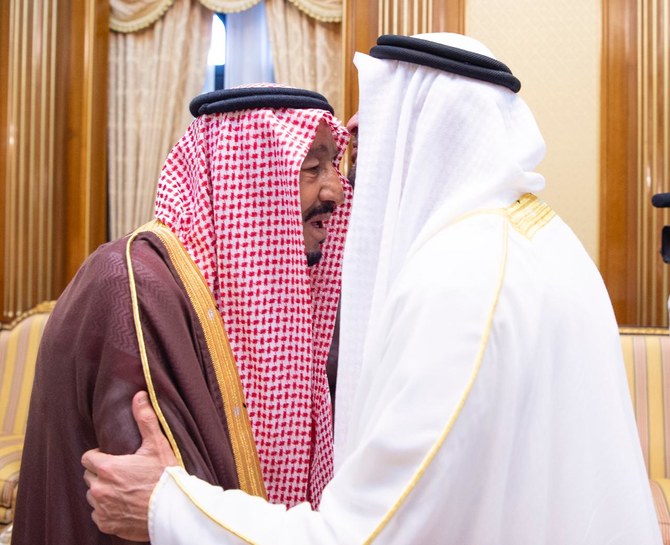
The call followed talks in Mina between Abu Dhabi Crown Prince Sheikh Mohammed bin Zayed Al-Nahyan, and Saudi King Salman and Crown Prince Mohammed bin Salman.
“The UAE and Saudi Arabia call on conflicting Yemeni parties to prioritize dialogue and reason for the interest of Yemen,” Sheikh Mohammed said.
Dialogue was “the only way to resolve differences between Yemenis,” he said.
Saudi Arabia’s call for an urgent meeting between the warring parties “embodies our common concern for Yemen’s stability,” he said.
Sheikh Mohammed urged Yemeni factions to “seize this opportunity, and carry out talks to reach a consensus that is in the best interest of Yemen and its people.”
He also said that the Arab Coalition fighting to restore the legitimate government in Yemen, led by Saudi Arabia, has played a historic role and continues to support Yemen and its current and future interests.
The crown prince also stressed that relations between the UAE and Saudi Arabia will always remain stable, because they are based on solid foundations of brotherhood, solidarity and common destiny, in addition to the political will of the of the two countries’ leaderships and the ties between their peoples.
“The Kingdom is the main pillar of the region’s security, stability and safety in the face of risks and threats, because of the Kingdom’s weight and influence on the regional and international arenas, and its policy under the the leadership of King Salman,” he added.
Yemen’s latest crisis erupted when southern separatist forces seized the presidential palace and army camps in Aden on Saturday, threatening to open a new front in the Saudi-led coalition’s conflict with Houthi militias backed by Iran. Up to 40 people, including civilians, were killed in violent clashes.
The situation is confused because the separatists support the coalition, but they are opposed to the internationally recognized Yemeni government of President Abed Rabbo Mansour Hadi, which the coalition backs. The separatists want an independent south Yemen.
Saudi Arabia has called for dialogue and a cease-fire in Aden, which both the Yemeni government and separatists have said they support. The separatists’ leader, Southern Transitional Council President Aidaroos Al-Zubaidi, said on Monday his group still backed the coalition against the Houthis and would attend a proposed emergency summit in Saudi Arabia.
Saudi Crown Prince Mohammed bin Salman, who also attended the meeting, held separate talks with his Emirati counterpart, according to a Saudi foreign ministry tweet.
They “reviewed the close relations between the two brotherly countries,” the situation in Yemen and “the various efforts toward achieving security and stability,” it said.
Riyadh has called for dialogue and a cease-fire, which both the Yemeni government and separatists have said they support.
Residents in Aden said on Monday the fighting had ended, flights from the airport had resumed and power and water supplies had been restored.
“It is quiet now but people are still worried. We don’t know where matters are heading,” resident Adel Mohammed said.


