ISLAMABAD: Pakistan’s military says militant attacks in the country’s northwest and southwest have killed 10 soldiers.
The military says both attacks took place on Saturday. The first attack targeted a military patrol near a security post in the Gurbaz area of North Waziristan.
It says the shooting came from across the Afghan border and left six soldiers dead.
The second attack, during a search operation, killed four troops from the paramilitary Frontier Corps near Turbat in southwestern Balochistan province.
The Pakistani Taliban claimed responsibility for the North Waziristan attack, a region that still sees attacks though the military says it’s cleared tribal areas of militants.
There was no claim for the Balochistan attack. The province has been the scene of a low-level insurgency by Baloch separatists.

Pakistani military says militant attacks killed 10 soldiers
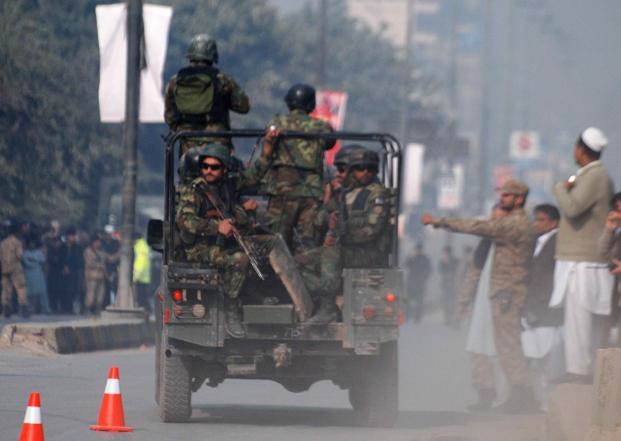
- First attack targeted a military patrol near a security post in North Waziristan, killing six soldiers
- Second attack during a search operation killed four troops from the paramilitary Frontier Corps near Turbat
Pakistan urges pilgrims to complete Saudi biometrics as Hajj preparations gain pace
- Government warns pilgrims biometric verification is required for Hajj visas
- Step follows tighter oversight after last year’s Hajj travel disruptions
ISLAMABAD: Pakistan’s government on Friday urged aspiring pilgrims to complete mandatory Saudi biometric verification for Hajj visas, as preparations for the 2026 pilgrimage gather pace following stricter oversight of the Hajj process.
The announcement comes only a day after Pakistan’s Religious Affairs Minister Sardar Muhammad Yousuf said regulations for private Hajj operators had been tightened, reducing their quota following widespread complaints last year, when tens of thousands of pilgrims were unable to travel under the private Hajj scheme.
“Saudi biometric verification is mandatory for the issuance of Hajj visas,” the Ministry of Religious Affairs said in a statement, urging pilgrims to complete the process promptly to avoid delays.
“Hajj pilgrims should complete their biometric verification at home using the ‘Saudi Visa Bio’ app as soon as possible,” it added.
The statement said the pilgrims who were unable to complete biometric verification through the mobile application should visit designated Saudi Tasheer centers before Feb. 8, adding that details of the centers were available on Pakistan’s official Hajj mobile application.
Pakistan has been steadily implementing digital and procedural requirements for pilgrims ahead of Hajj 2026, including mandatory training sessions, biometric checks and greater use of mobile applications, as part of efforts to reduce mismanagement.
Saudi Arabia has allocated Pakistan a quota of 179,210 pilgrims for Hajj 2026, with the majority of seats reserved under the government scheme and the remainder allocated to private tour operators.


