

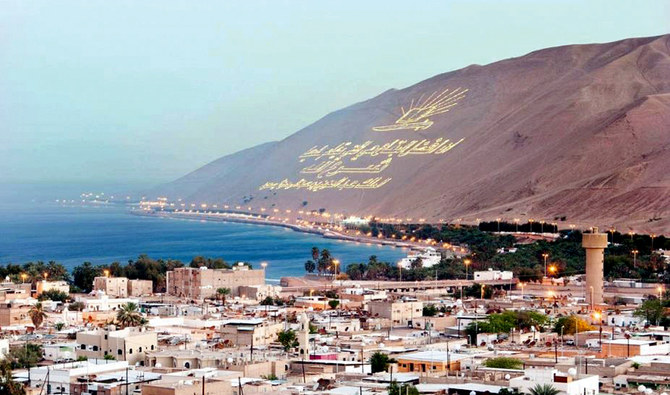

TABUK: Tabuk region offers a wealth of tourist attractions that help to guarantee a rewarding visit. The varied geography of the area means that a wide range of natural wonders are within easy reach, including the Red Sea, expansive plains and majestic mountains, along with ancient historical landmarks.
The region also hosts a number of festivals, organized by the Saudi Commission of Tourism and National Heritage, and the climate is wonderful all year round, making it a particularly popular destination during the summer months.
Tabuk is nestled between the Red Sea, to the west, and Al-Nafud desert, to the east. Five of its governorates are on the coast: Haql, Dabba, Al-Wajh, Amlaj and Al-Bada. Tabuk City is one of the largest and most important cities in the northern region, with a heritage dating back to the 5th century BC. It has acquired a number nicknames, including “Tabuk of the Roses” and “Northern Gate.”
The region’s abundant water reserves mean that it is one of the Kingdom’s largest agricultural areas. In addition to wheat, fruit and vegetables, Tabuk is renowned for its roses, which are popular within the country and also exported.
Noteworthy heritage sites in the city include Al-Tawba Mosque and the nearby Tabuk Castle. The Prophet Muhammad set up camp at the latter during his Tabuk expedition. The ancient mosque was built by Umayyad Caliph Omar bin Abdul Aziz in the location where the Prophet prayed. Thanks to its historical significance the city’s impressive railway station, which covers 80,000 square meters, is also worth a visit, as is the nearby Tabuk Regional Museum.
Other regional landmarks include: the Shuaib caves (Maghair Shuaib), which date back to the days of the Nabateans; the Great Tabuk Mountains, which contain Thamud and Nabatean scriptures; the Haddaj well of Tayma, which is one of the most important wells in the Kingdom and dates back to the first millennium B.C.; Tayma Castle; King Abdul Aziz Castle; and Al-Hamra Palace.
In recent years, Tabuk has undergone an urban and cultural revival. New hotels have been built and the number of passengers arriving at the region’s new airport, which opened in 2011, has risen to an estimated 1.5 million a year.
Tabuk city is currently preparing for its Roses and Fruits Festival, the largest event in the region, with about half-a-million visitors expected, so this is the perfect time to plan a visit.


