DUBAI: Dubai’s ruler Sheikh Mohammed bin Rashid Al-Maktoum issued a new insolvency law on Tuesday for companies operating in the Dubai International Financial Center (DIFC), the largest financial hub in the Middle East, Africa and South Asia.
The new law, due to come into effect in August, has been issued following the collapse of Dubai-based private equity firm Abraaj, which had a DIFC-regulated entity Abraaj Capital.
The firm that had been the Middle East and North Africa’s biggest buyout fund unraveled after a row with some investors over the use of money in a $1 billion health care fund.
The new law introduces a “new debtor in possession bankruptcy regime” for debtors that have filed for bankruptcy but still hold assets, according to a statement on the Dubai’s ruler official website.
Abraaj, its founder Arif Naqvi and a former executive are being investigated by the US Securities and Exchange Commission (SEC) on US charges that they defrauded investors, including the Bill & Melinda Gates Foundation.
The Dubai Financial Services Authority (DFSA) said in April it was in touch with the SEC and had been investigating Abraaj Capital Ltd, an entity of the collapsed firm, over a range of matters but has not specified what they are.


![]()

Dubai issues new financial center insolvency law after Abraaj collapse
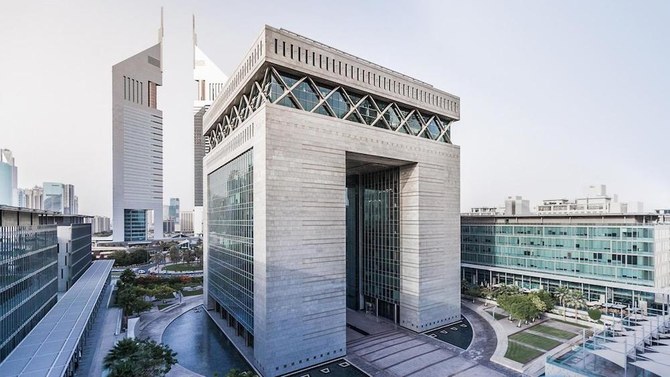
Dubai issues new financial center insolvency law after Abraaj collapse
- New procedures in line with global best practices introduced as a first for the region
- The new Insolvency Law and Regulations will come into effect on Aug. 28, 2019


Latest updates


© 2026 SAUDI RESEARCH & PUBLISHING COMPANY, All Rights Reserved And subject to Terms of Use Agreement.