KABUL, Afghanistan: Afghan security forces are battling the Taliban for a fifth day after the insurgents launched a wide-scale attack in the western Badghis province, officials said Monday.
Col. Qais Mangal, a spokesman for Defense Ministry, said that at least 12 security forces have been killed in the last 48 hours, bringing the overall death toll to more than 40. Mangal said dozens of insurgents have been killed and wounded by air and ground forces.
Some 2,000 Taliban fighters attacked checkpoints and an army compound in the Bala Murghab district before dawn Thursday. Mohammad Nasir Nazari, a provincial council member, said some 600 Afghan soldiers who were trapped inside the base were able to escape and reach the provincial capital of Qala-e-Now over the past two days after reinforcements reached the base.
He said army commandos and special police units are currently battling the insurgents, with high casualties on both sides. He was unable to provide an exact breakdown of the numbers killed and wounded.
The Taliban effectively control nearly half the country and have continued to carry out daily attacks on Afghan security forces despite holding several rounds of peace talks with the United States in recent months. The Taliban have refused to meet with the Afghan government, which they view as a US puppet.
The Taliban agreed to take part in an Afghan dialogue in Qatar, where the insurgents maintain a political office, later this month. But the Taliban say any member of the government who attends will only do so in a personal capacity.
After two months of consultations, the Afghan government announced Monday that it had created a council to appoint a delegation to the talks. The council consists of current and former officials, as well as other prominent figures from around the country. Afghan peace envoy Omer Daudzai said the delegates, who have yet to be chosen, will “exchange views” with the Taliban ahead of possible negotiations.
US envoy Zalmay Khalilzad, who has led the talks with the Taliban in a bid to end America’s longest war, tweeted Sunday that he had met with Afghan President Ashraf Ghani in Kabul to discuss the upcoming dialogue and efforts to reduce the violence.
Elsewhere in Afghanistan, a roadside bomb killed two people in the eastern city of Jalalabad and wounded another five, said Farid Khan, a spokesman for the provincial police chief. No one immediately claimed the attack, but a local Daesh affiliate claimed responsibility for attacks on Saturday and Sunday in Jalalabad.


![]()

Afghan forces battle Taliban for fifth day in western Badghis province
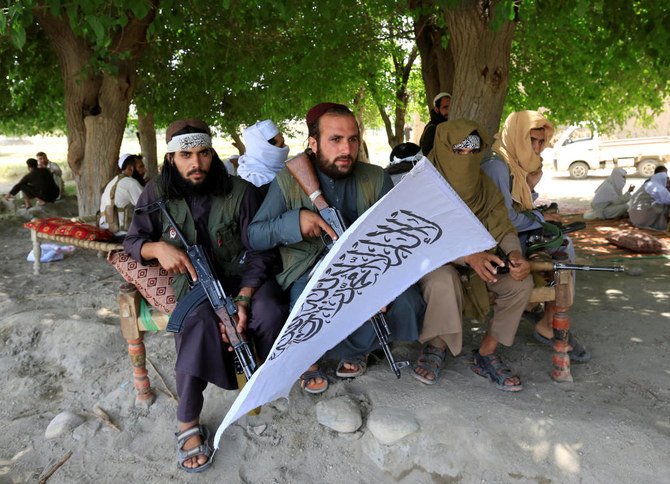
Afghan forces battle Taliban for fifth day in western Badghis province
- At least 12 security forces have been killed in the last 48 hours
- The Taliban effectively control nearly half the country and have continued to carry out daily attacks on Afghan security forces


Latest updates


© 2026 SAUDI RESEARCH & PUBLISHING COMPANY, All Rights Reserved And subject to Terms of Use Agreement.