LAHORE: Pakistan’s anti-corruption body says it has arrested a member of the ruling party who is a senior minister in the eastern Punjab province.
The National Accountability Bureau announced the arrest Wednesday of the minister for local bodies, Abdul Aleem Khan, in the city of Lahore. It says he was arrested over charges of “possessing assets beyond his known sources.”
Khan resigned his post, vowing to fight the charges and denying any wrongdoing.
The arrest is a setback for Prime Minister Imran Khan’s Tehreek-e-Insaf party, which came to power in last year’s parliamentary elections. The two men are not related.
Khan had campaigned on promises of clean governance after his predecessor, Prime Minister Nawaz Sharif, was removed from office over corruption allegations. Sharif has also denied any wrongdoing.

Pakistan arrests ruling party member on corruption charges
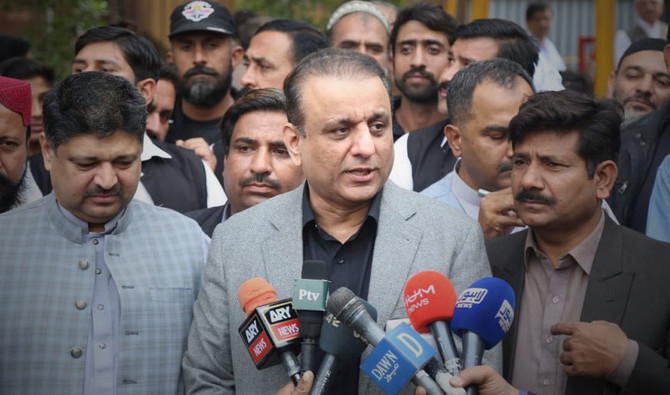
- Aleem Khan was arrested over possessing assets beyond his known sources
- Khan was senior minister Punjab province
Pakistan orders uninterrupted electricity during Ramadan pre-dawn, sunset hours
- Power cuts to be shifted outside Sehri and Iftar timings across country
- Directive applies to all distribution companies including Karachi’s K-Electric
ISLAMABAD: Pakistan’s power ministry has ordered electricity distributors to ensure uninterrupted supply during pre-dawn and sunset meals in the holy month of Ramadan, according to an official directive issued this week, even as the country continues to grapple with chronic shortages and losses in its power sector.
Ramadan, which begins on Thursday in Pakistan, typically sees a sharp spike in household consumption during Sehri (pre-fast meal) and Iftar (meal at sunset), making outages during those hours politically sensitive in a country where electricity shortfalls and scheduled load shedding remain common.
Pakistan’s power sector has struggled for years with circular debt — unpaid bills and subsidies that cascade through the system — as well as electricity theft and distribution losses, forcing utilities to manage supply through rotating outages, especially in high-loss neighborhoods.
“The DISCOs have been directed to strictly avoid unannounced load shedding during the holy month of Ramadan,” a Power Division spokesperson said in a statement.
The latest directive issued on Feb. 17 applies nationwide, including Karachi’s privately run K-Electric utility, and requires adherence to announced load-shedding schedules to minimize disruptions during the month.
Under the standard operating procedures issued by the Ministry of Energy, all distribution companies must establish dedicated control rooms supervised by their chief executives to monitor supply and respond to complaints in real time.
Even in high-loss areas like neighborhoods where bill recovery is weak and outages are more frequent, utilities must maintain supply during Sehri and Iftar, shifting load management to other hours instead.
Authorities said the measures were also intended to prevent further buildup of arrears and system losses by aligning power supply with demand peaks while continuing anti-theft enforcement operations.
Pakistan frequently introduces special power management plans during Ramadan, when public frustration over outages tends to intensify and governments face pressure to ensure uninterrupted electricity for religious routines.


