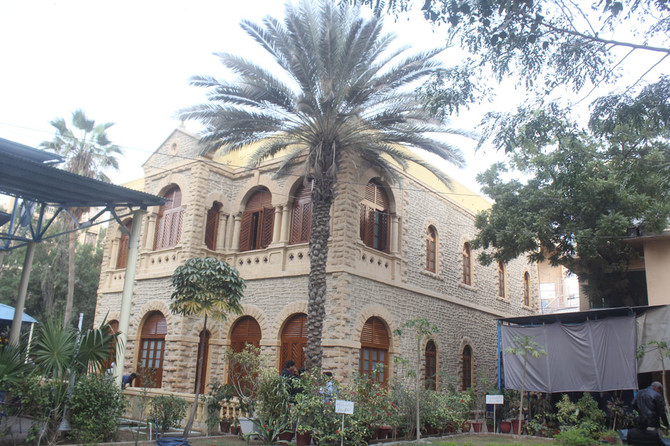
KARACHI: The historic press club building in Pakistan’s seaside megacity of Karachi was formally handed over to its governing body on Monday.
The transfer of the ownership of the building, which went through five years of restoration and preservation work, took place in a ceremony which was attended by the Chairman of the Endowment Fund Trust (EFT), Jehangir Siddiqui, managing trustee Hameed Haroon, senior members of the journalist fraternity, members of the civil society, and other officials of the trust.
“The entire building was almost in ruins and required preservation work. So, the press club reached out to the EFT for the restoration of this British-era building,” Aamir Latif, the club’s former secretary, told Arab News.
Mohanlal S. Ochani, EFT’s supervising engineer who has helped with the restoration work of more than a 100 other historical buildings — including Karachi’s Mohatta Palace — said that more than Rs10 million were spent for the process which took five years to complete.
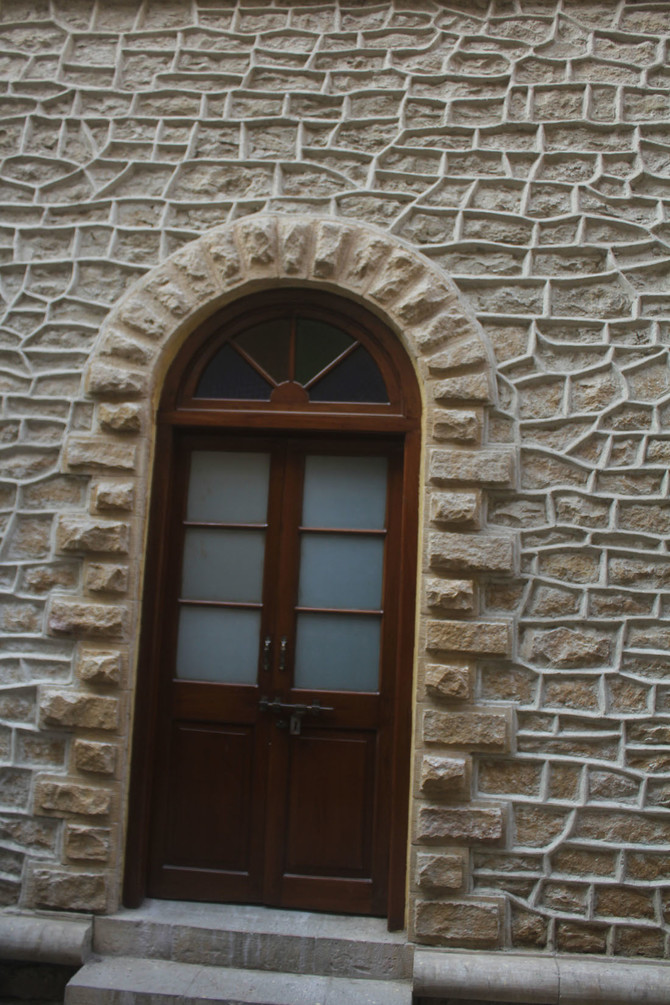
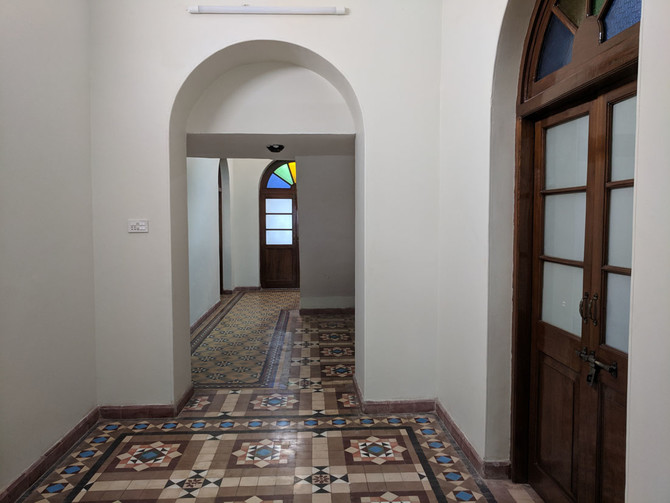
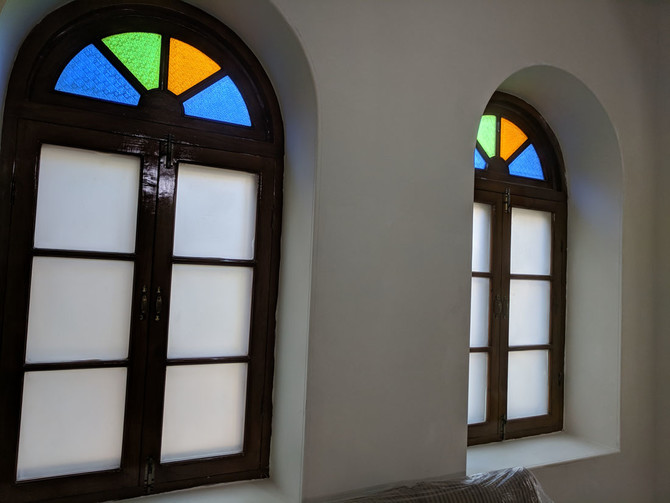
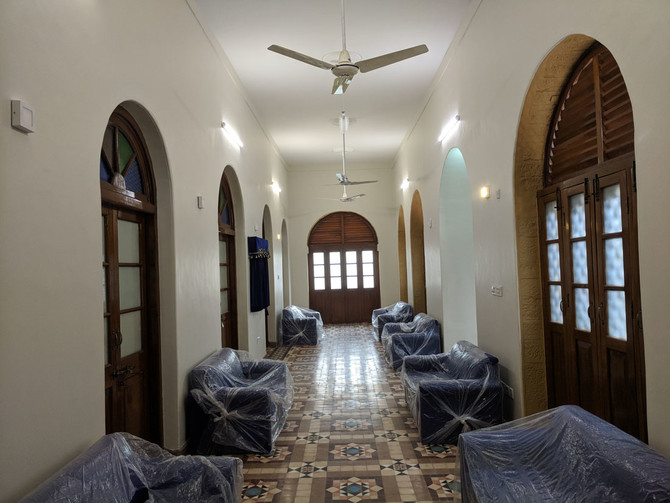
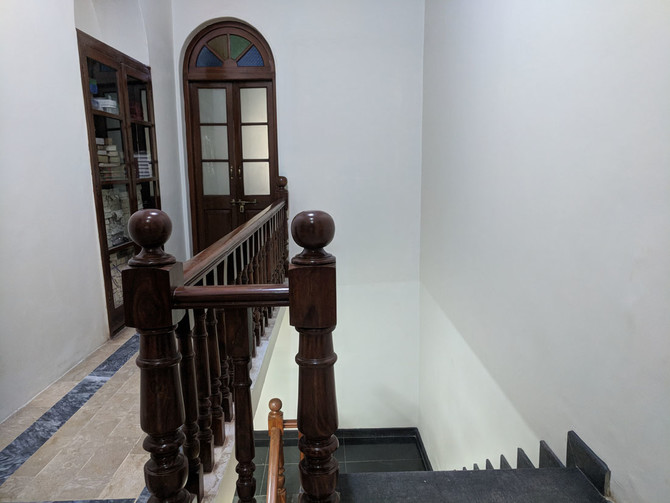
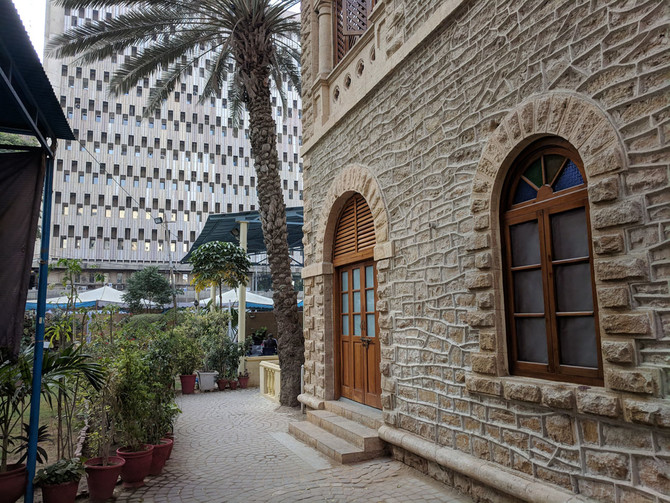
“When we started working, the dampness of the stones was decaying the building. The rotten stones were replaced with stones of the same size and shape, which were brought from Jung Shahi (a town in Sindh’s Thatta District),” Ochani told Arab News, adding that the second important restoration element was of the woodwork for which Burma Teak and Mahogany Philippines, which have a shelflife of hundreds of years, were used.
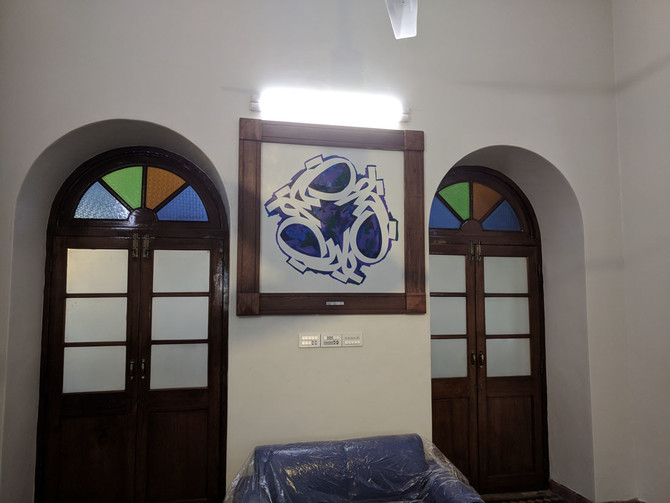
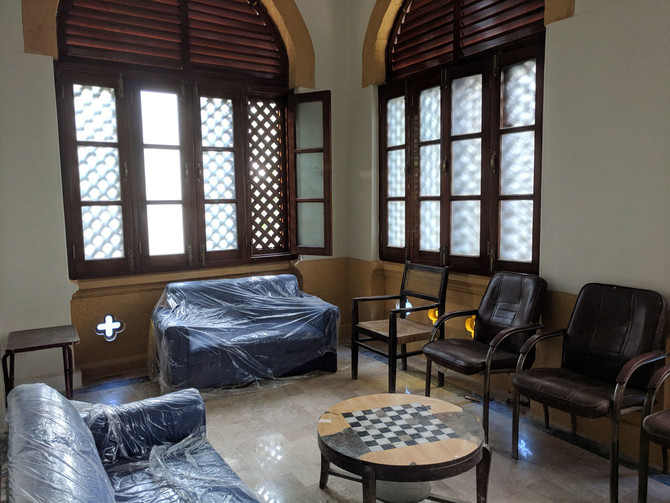
The building has a conference hall, dining facilities, two small rooms, front and rear verandas on the ground floor, committee rooms, a library, and offices on the first floor, he added. It also has 37 doors and more than 50 window fanlights.
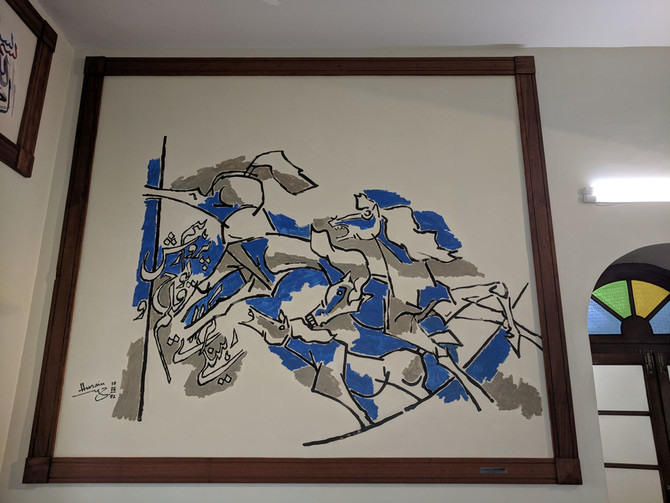
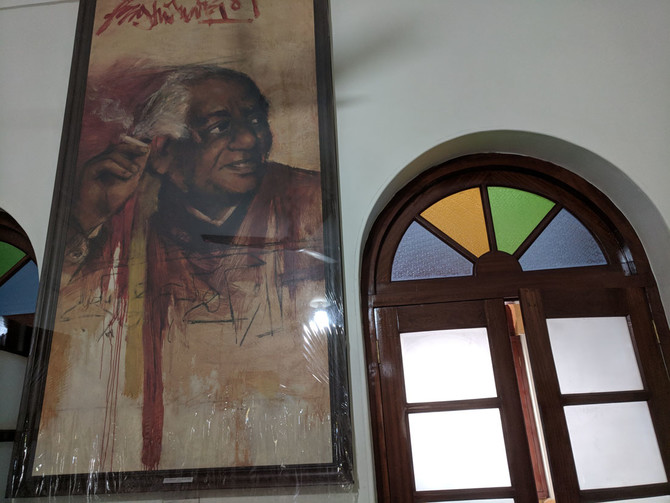
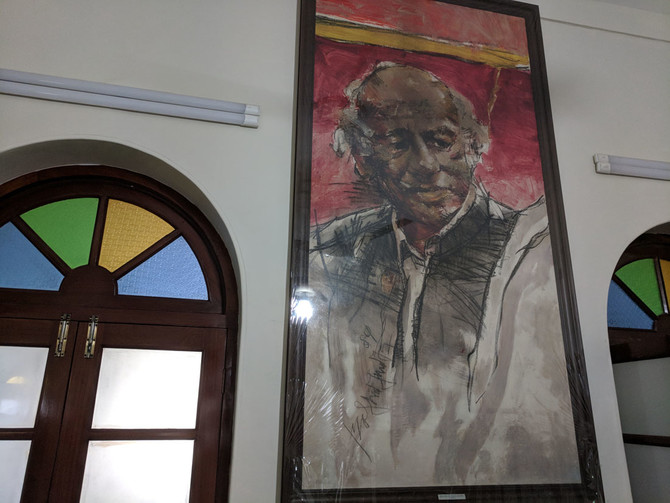
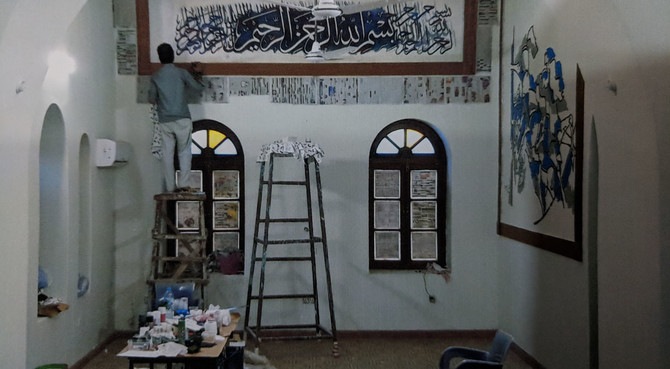
“The EFT also restored a large mural painted by a famous Indian painter, M.F. Hussain, which is on the wall of Ibrahim Jalees Hall. Other images restored by the EFT include portraits of Habib Jalib and Faiz Ahmed Faiz, a mural and Ya Rab Calligraphy by Shakil Ismail,” Ochani said.
Karachi Press Club Secretary, Maqsood Yousuf said that the facility had a rich history and had been a hub of various freedom-of-press movements in Pakistan. “Not only is the building remarkable but the history of the club, which began its activities here in 1958, is also a matter of pride for the journalist community,” Yousuf told Arab News.
Once the residence of Pakistan’s former president, Iskandar Mirza, it was this historic building where the movement for the restoration of democracy and political alliance was formed during General Zia-ul-Haq’s military rule, he said, adding: “The restored heritage building and the proud legacy of our predecessors will go on for centuries.”


![]()
![]()
![]()
![]()
![]()
![]()
![]()
![]()
![]()
![]()
![]()
![]()
![]()
![]()
![]()
![]()
![]()
![]()
![]()
![]()
![]()
![]()

Karachi Press Club handed over to journalists after restoration








Karachi Press Club handed over to journalists after restoration
- Colonial-era building was witness to plenty of political upheavals in the country’s history
- The place had become a hub of various freedom movements in Pakistan
Latest updates


© 2026 SAUDI RESEARCH & PUBLISHING COMPANY, All Rights Reserved And subject to Terms of Use Agreement.