DUBAI: “The young diaspora are searching for what makes them whole and want to un-derstand who they are,” says Nadir Nahdi on the phone from Jakarta. He has just finished filming “Finding Nenek,” a documentary about the Indonesian grandmother he never met.
Young, handsome and filled with the vitality of life, Nahdi is a content creator on a mission: to reclaim misrepresented narratives, to reset the conversations around marginalized communities, and to travel the world seeking meaningful aesthetics. He is part of a third-culture generation that, faced with a hostile polit-ical environment in the West, is seeking answers elsewhere.
“For me, growing up in a British context in which I was always made to feel like this wasn’t my home — through passive aggressive questions like ‘Where are you from?’ or from the mainstream media always alienating people from my community — I always thought that there was a place outside of Britain that would feel more like home. Indonesia, because of my heritage, was one of them.
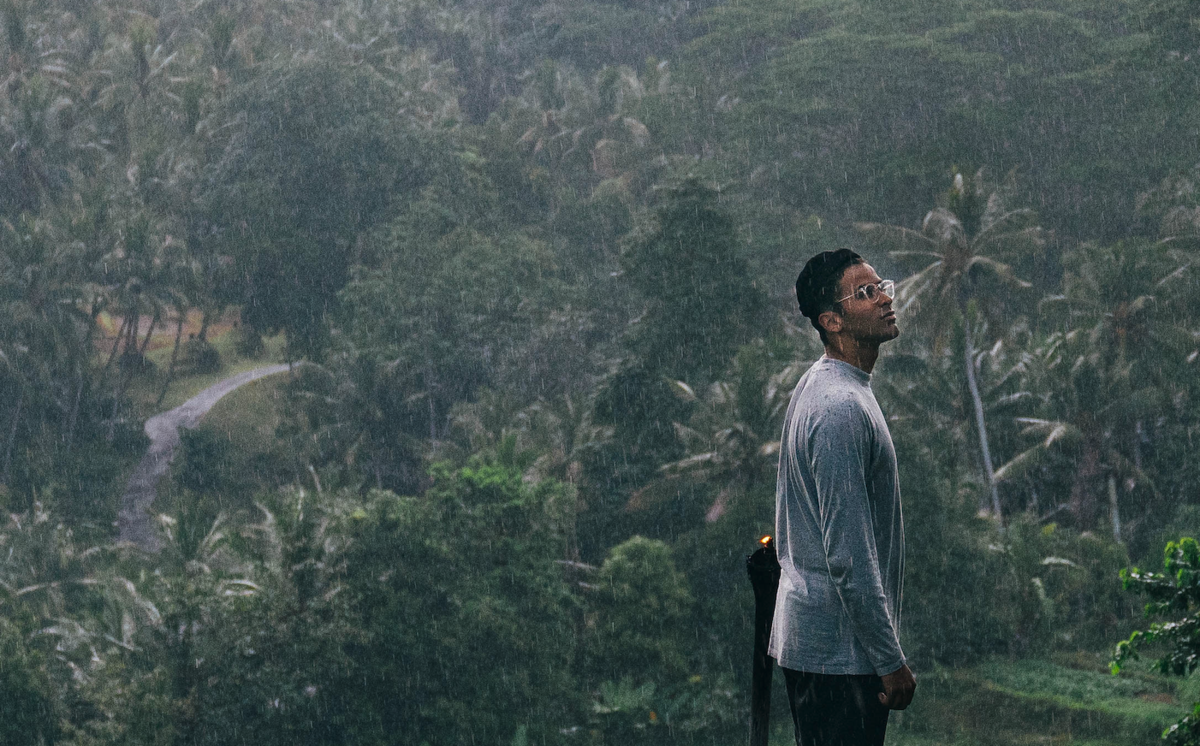
“But traveling through it and learning and discovering things here, I learned that I’m not Indonesian either, even though it’s a huge part of who I am. I’m stuck in this difficult place of not being Western enough for the West, not Eastern enough for the East, but I’m something entirely new. I’m part and parcel of a generation of young people who don’t see boundaries and borders in the same traditional way. We don’t belong anywhere, but we belong everywhere. A lot of people find those themes and emotions quite relatable.”
Nahdi first burst onto the social media scene in 2014 with his “Happy British Muslims” parody of Pharrell Williams’ “Happy,” which “accidentally went viral,” hit 2.4 million views, and caught the attention of YouTube’s Creators for Change program, a global initiative that shines a spotlight on inspirational crea-tors and for which Nahdi is now an ambassador.
“Overnight it went crazy and I got press interviews, universities wanted to do ac-ademic reports, and it was just madness,” recalls Nahdi. “It was total pandemo-nium and I was like, ‘Oh my God! You can create videos online and connect with people through shared sentiment.’ And that was really insane to me. So I left my job and I decided to go to Berlin and practice and learn from other crea-tive outlets. Then after two years I started my own thing.”
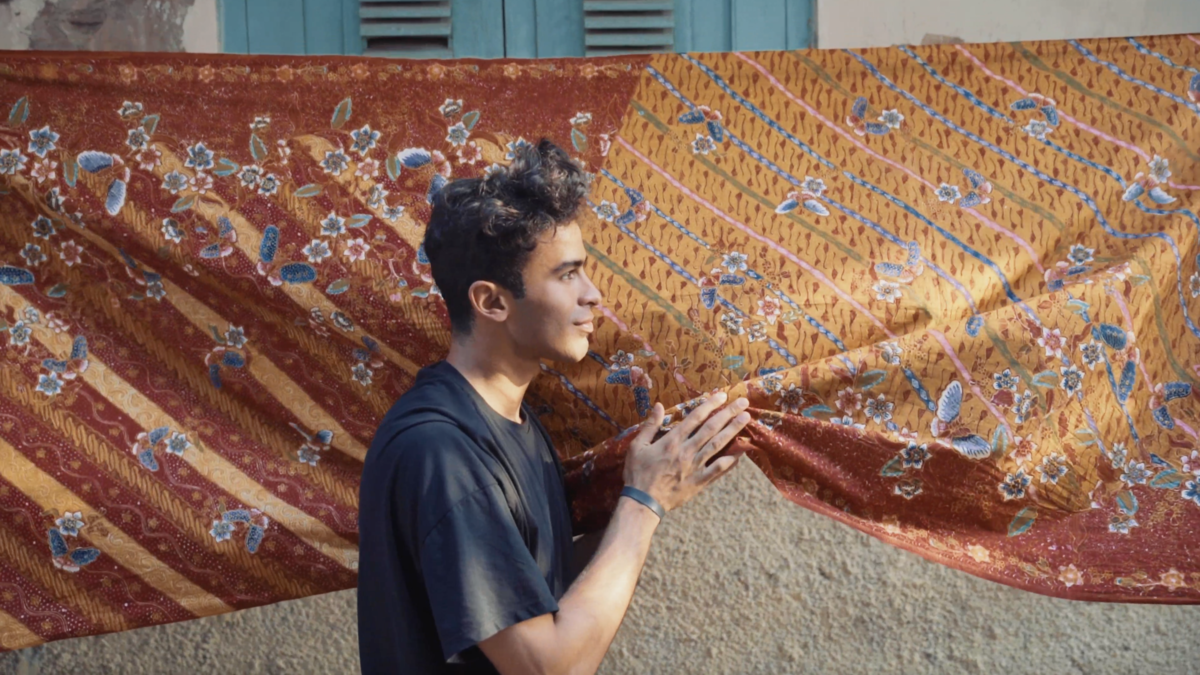
That thing is BENI, a storytelling platform that aims to turn social influence into ‘substance, inspiration and adventure.’ It is, says Nahdi, “a creative platform for anyone trying to imagine a world beyond the labels enforced upon them.”
Launched just over two years ago, it kicked off with “The A-Z of BENI,” a five-minute rallying call to YouTubers, students, musicians, artists and athletes across the world who refuse to be defined by others. Millennials, essentially, who share Nahdi’s vision of an open, collaborative, accepting world.
His is a multicultural, multi-religious universe devoid of superficiality and bigotry. One where this British Muslim’s Yemeni, Kenyan, Pakistani and Indonesian roots can flourish, and where personal and introspective storytelling is em-braced.
“People are connecting through sincerity and personality,” says Nahdi. “The whole YouTube scene is authentic voices from real people. They’re not curated BBC media faces that have been trained to speak a certain way. YouTube rep-resents an opportunity for people to be very real and very vulnerable about their insecurities, about things that they might be going through. And as a result they craft really strong relationships with their audiences.
“For me, this kind of stuff is so important — the ability to own my own narrative and build stories within that kind of prism. I want people to see someone like me, or a girl wearing hijab, as noble. If you flood this space with incredible stories that are relatable and very human, and you don’t play on what makes people different, instead you play on the human emotions that connect us, then those become so normal to see. And that’s the endgame for me. Seeing someone who’s different from us and not thinking anything of it. It’s just part and parcel of this eclectic world that we live in.”
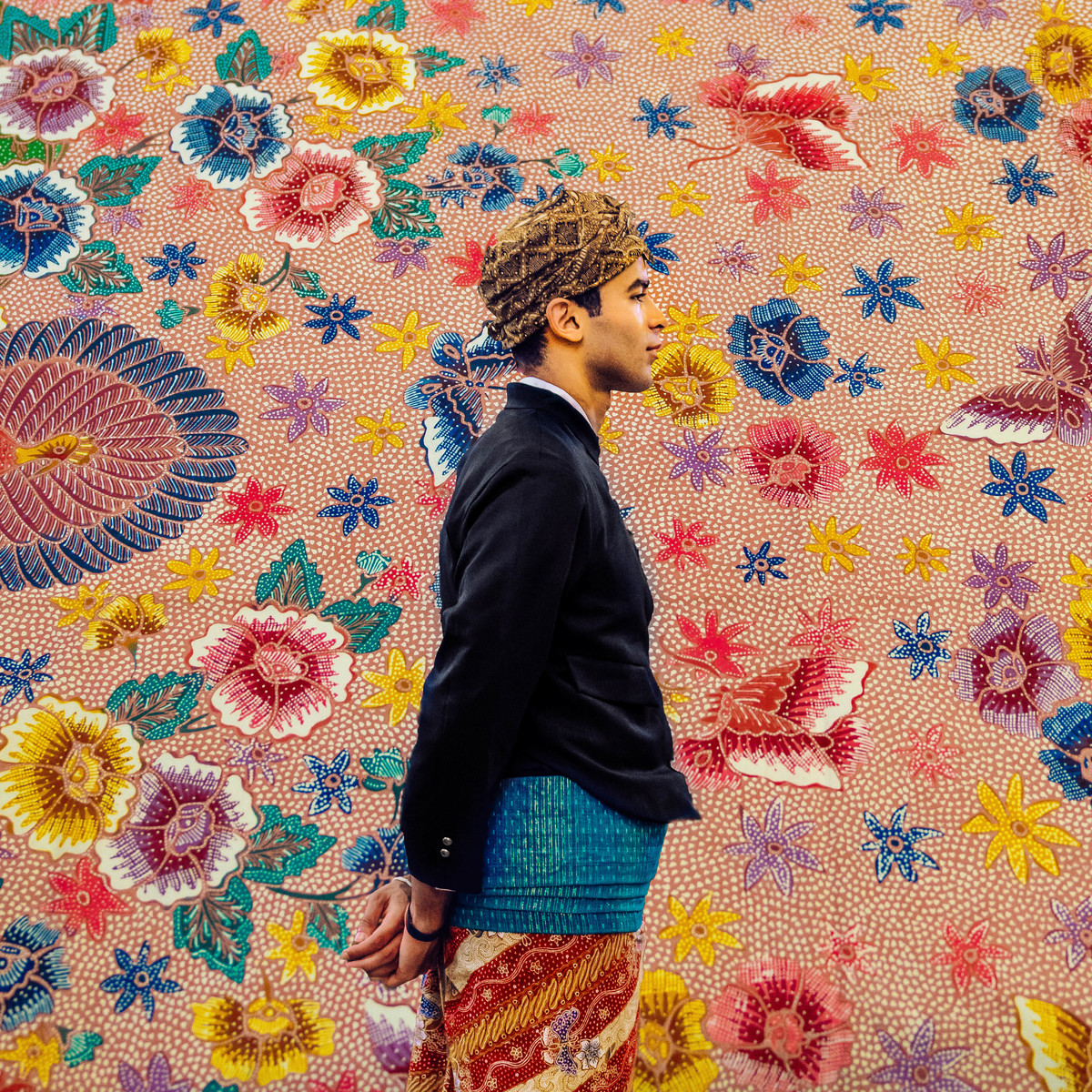
Unusually in a social media world obsessed with brevity, Nahdi has embraced longer-form storytelling. His films, or vlogumentaries, sometimes run past the 20-minute mark and confront issues such as race, identity, mental health and toxic masculinity. Now he is rolling out “In My Personal Space,” a series of candid conversations with celebrities about uncomfortable issues.
“The reason I started a YouTube channel was because YouTube allowed me to present myself in a way that felt organic to me,” he says. “There was Channel 4 or BBC telling me ‘Ok, we don’t like this idea, maybe you should think about do-ing it this way.’ (But on YouTube) I could literally come up with an idea today, post it tonight, and by tomorrow it could have a million views. And that really em-powered me to make the stories that I felt should be told about my people.”
Remarkably Nahdi is a self-taught one-man-show. He shoots, edits, interviews, and possesses a seemingly boundless drive to create content. In terms of reach, however, he’s yet to hit the big time. His social media following is modest com-pared with others, with 29,326 on YouTube and 39,670 on Instagram. Still, it’s enough, when combined with BENI’s online store, to make a living through branded content.
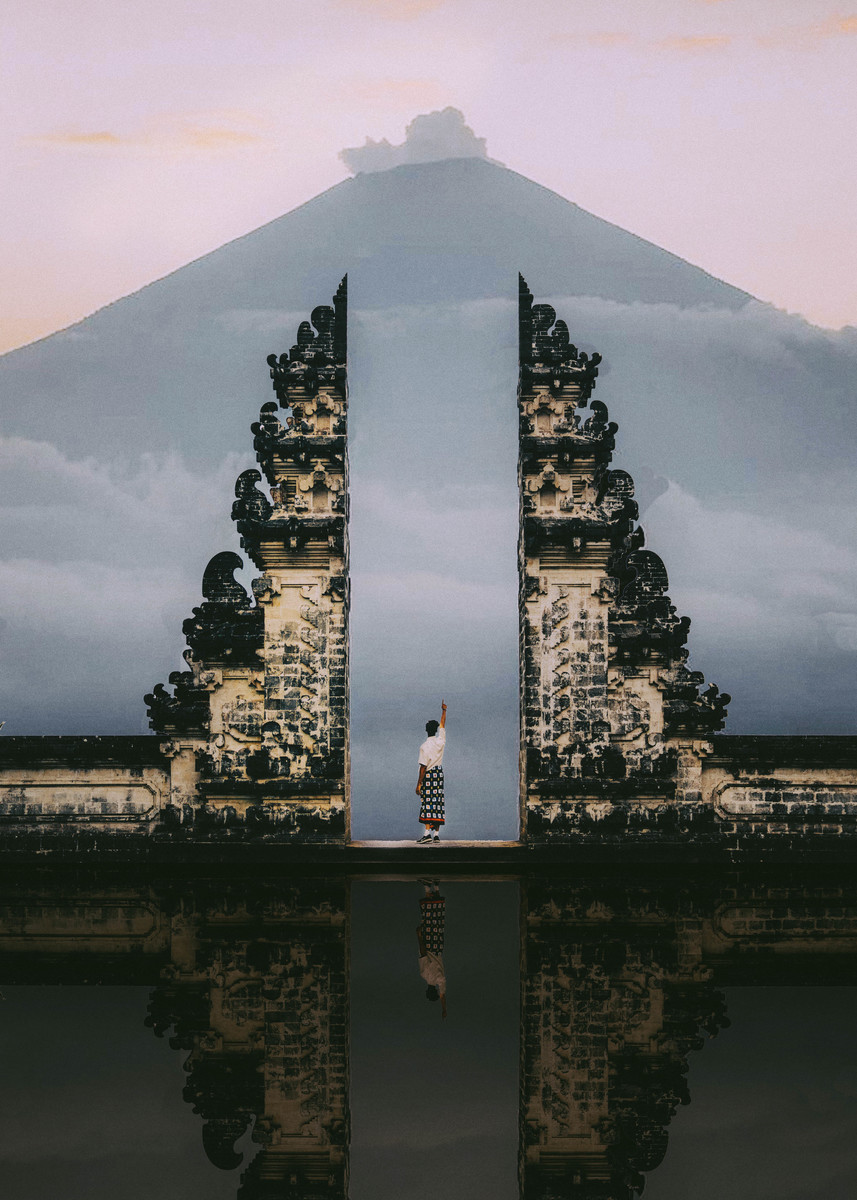
“It’s a life I’ve always wanted to live, but it’s a very stressful and intense and chaotic lifestyle as well,” he admits. “So it’s not for everyone. You have to work super-hard, but you also reap amazing rewards and you get to go to incredible places and meet incredible people.”
Places such as Berlin and Kuala Lumpur, Lebanon and Dubai; people such as Emine Palabiyik, the queen of Berlin’s underground hip-hop dance scene, Mashrou’ Leila’s lead singer Hamed Sinno, and Amani Al-Khatahtbeh, the American founder of MuslimGirl.com.
“I’m connected to people who are very different from me because there’s a common currency, there’s a common understanding,” says Nahdi. “And as a re-sult of this squeezed place that I occupy, I like to think people like me don’t see the world in the kind of arbitrary, binary ways that many people do. I’ve really learned that it’s a privilege, it’s a blessing to feel like you belong to the whole world.”