


LONDON: Saudi Arabia reduced its budget deficit by 60 percent to SR49 billion ($13 billion) in the first nine months of the year, official figures published Wednesday show.
The reduction — greater than anticipated in earlier budget forecasts — was the result of a significant growth in both oil and non-oil revenues, the Ministry of Finance said.
This reflects “the effectiveness of economic reforms and fiscal measures targeting fiscal sustainability as well as the effective management of public finances,” the ministry said in its third-quarter budget report.
Government revenues in the first nine months increased by nearly 50 percent to SR663 billion compared to the same period in 2017. Revenues for the third quarter alone hit SR223 billion — an increase of 57 percent quarter-on-quarter — indicating that the rate of growth is increasing.
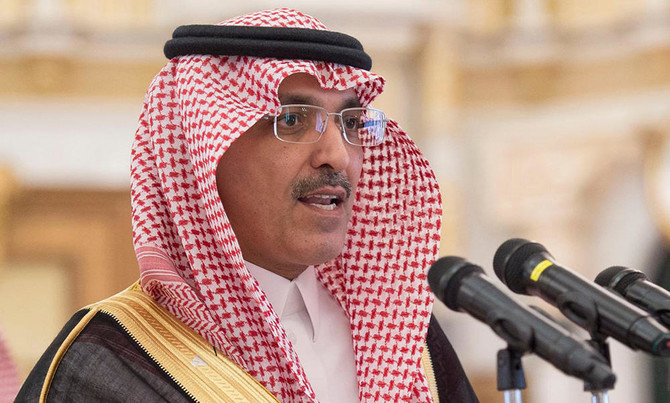
“The announced Q3 2018 fiscal figures reflect the improved performance of the public finances during this year,” said Mohammed Al-Jadaan, minister of finance.
“While clearly assisted by improvements in the oil price internationally, these figures also show the fruits of the successful implementation of many initiatives to develop non-oil revenues and improve spending efficiency.”
Despite the deficit having fallen, government expenditure increased by 25 percent in the first nine months of the year, reaching SR712 billion.
The increase was due to initiatives such as the Citizen Account social benefits system, living allowances, and expenditure on infrastructure.
Al-Jadaan sounded a note of caution, despite the rosy economic figures, saying that challenges to public finances still exist, and that efforts to move forward with economic reforms must continue.
Saudi Arabia has embarked on an ambitious reform plan known as Vision 2030, spearheaded by Crown Prince Mohammed bin Salman, and which aims to kick the Kingdom’s “addiction” to oil and diversify the economy.
The latest budget figures suggest the reforms are paying off, with non-oil revenues in the first nine months of the year having hit SR211 billion — a year-on-year increase of 48 percent.
Public debt increased from SR443 billion at the end of 2017 to SR549 billion at the end of the third quarter of this year.
Jason Tuvey, senior emerging markets economist at Capital Economics, said that the figures reflect both higher oil prices and the impact of government spending on the non-oil sector.
“The narrowing of the headline budget balance clearly reflects the boost from higher oil prices, but the data provide further evidence that the government has loosened fiscal policy this year which has helped to support stronger growth in the non-oil sector,” Tuvey told Arab News.
“It’s worth noting that the government has significantly underspent its budget for infrastructure so far this year — that could be an area where the authorities try to provide some more stimulus to the economy in 2019.”
Riyadh-based John Sfakianakis, chief economist and strategist at Bilad Capital, said that the drive to diversify the Saudi economy was paying off.
“Public finances are on a continuous path of improvement given the commitment to reform revenues and spending efficiency,” he said.


