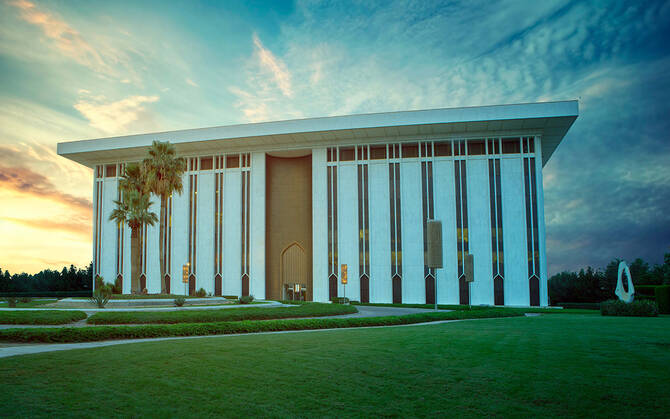
Saudi Arabia’s foreign reserves rise to a 6-year high of $475bn

The rise in reserves underscores the strength and liquidity of the Kingdom’s financial position and aligns with Saudi Arabia’s goal of strengthening its financial safety net as it advances economic diversification under Vision 2030. File
Short Url
Updated 22 February 2026
Follow

Saudi Arabia’s foreign reserves rise to a 6-year high of $475bn

RIYADH: Saudi Arabia’s foreign reserves climbed 3 percent month on month in January to SR1.78 trillion, up SR58.7 billion ($15.6 billion) from December and marking a six-year high.

On an annual basis, the Saudi Central Bank’s net foreign assets rose by 10 percent, equivalent to SR155.8 billion, according to data from the Saudi Central Bank, Argaam reported.

The reserve assets, a crucial indicator of economic stability and external financial strength, comprise several key components.

According to the central bank, also known as SAMA, the Kingdom’s reserves include foreign securities, foreign currency, and bank deposits, as well as its reserve position at the International Monetary Fund, Special Drawing Rights, and monetary gold.

The rise in reserves underscores the strength and liquidity of the Kingdom’s financial position and aligns with Saudi Arabia’s goal of strengthening its financial safety net as it advances economic diversification under Vision 2030.

The value of foreign currency reserves, which represent approximately 95 percent of the total holdings, increased by about 10 percent during January 2026 compared to the same month in 2025, reaching SR1.68 trillion.

The value of the reserve at the IMF increased by 9 percent to reach SR13.1 billion.

Meanwhile, SDRs rose by 5 percent during the period to reach SR80.5 billion.

The Kingdom’s gold reserves remained stable at SR1.62 billion, the same level it has maintained since January 2008.

Saudi Arabia’s foreign reserve assets saw a monthly rise of 5 percent in November, climbing to SR1.74 trillion, according to the Kingdom’s central bank.

Overall, the continued advancement in reserve assets highlights the strength of Saudi Arabia’s fiscal and monetary buffers. These resources support the national currency, help maintain financial system stability, and enhance the country’s ability to navigate global economic volatility.

The sustained accumulation of foreign reserves is a critical pillar of the Kingdom’s economic stability. It directly reinforces investor confidence in the riyal’s peg to the US dollar, a foundational monetary policy, by providing SAMA with ample resources to defend the currency if needed.

Furthermore, this financial buffer enhances the nation’s sovereign credit profile, lowers national borrowing costs, and provides essential fiscal space to navigate global economic volatility while continuing to fund its ambitious Vision 2030 transformation agenda.


IsDB announces $2.41bn in new financing for strategic development sectors

Updated 24 February 2026
Follow

IsDB announces $2.41bn in new financing for strategic development sectors

JEDDAH: The Islamic Development Bank has approved $2.41 billion in new financing for a series of transformative projects during its 364th Executive Board meeting, chaired by IsDB President Mohammed Al-Jasser.

The approvals underscore the bank’s ongoing commitment to regional cooperation, economic development, and climate- and environment-friendly investments that advance the UN Sustainable Development Goals across its member countries.

The new financing includes an additional $40 million for the Central Asia–South Asia Electricity Transmission and Trade Project (CASA-1000) in Tajikistan, aimed at boosting regional energy trade, improving electricity access and reliability, and mitigating climate change through the export of clean and renewable energy.

The bank also approved €116 million ($135 million) to upgrade Senegal’s Dakar Expressway Project.

The initiative is designed to improve health, education, and economic services for local populations, reduce traffic congestion and peak travel times, and enhance road safety measures to halve traffic-related deaths and injuries, with a particular focus on women and young pedestrians.

A $1.307 billion allocation was approved for Kazakhstan’s Economic and Industrial Zones Project to foster sustainable industrial development.

The initiative is expected to promote economic diversification, attract investment, create jobs, and boost global competitiveness through infrastructure upgrades and operational efficiency in special economic zones, industrial zones, and specialized industrial zones.

Bahrain will receive $330.07 million to expand its industrial capacity and strengthen economic competitiveness. The funding will support the development of modern industrial land with resilient infrastructure, advanced export-oriented manufacturing, effective internal connectivity, and reclaimed land facilities.

The project aims to stimulate private investment, generate employment, and reinforce Bahrain’s position as a regional industrial and logistics hub.

The IsDB approved $160 million to enhance utilities, water, and urban development sectors in Jordan.

The financing will secure future drinking water supply for Aqaba, Amman, and northern regions, support climate adaptation and mitigation, foster economic growth, and promote private sector participation in sustainable, long-term water solutions to alleviate severe water stress.

Azerbaijan was granted $436.67 million to improve agricultural productivity by reducing irrigation water losses and supporting sustainable rural development, in line with Azerbaijan’s 2030 vision.

The project will also promote green growth, strengthen climate resilience, and ensure long-term food security.

The approved projects reflect the IsDB’s strategic focus on fostering sustainable and inclusive growth across member countries by addressing critical infrastructure, energy, water, transport, and industrial development challenges.

These initiatives are expected to deliver lasting impact and contribute effectively to achieving the Sustainable Development Goals.