



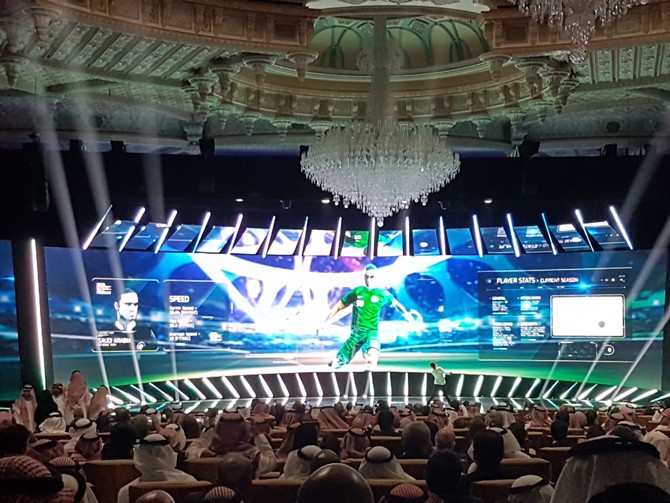





RIYADH: The Future Investment Initiative (FII) kicked off in Riyadh on Tuesday, with the head of Saudi Arabia’s sovereign wealth fund saying the event can do "business for good." He also said the event would see countries coming together to "collaborate for the future.”
The event in Riyadh also saw a raft of deals worth $50 billion being finalized, including 12 so-called “mega-deals” being signed.
Watch the livestream of Day 1 of #FII2018: https://t.co/dKB8QuI7dH
— Future Investment (@FIIKSA) October 23, 2018
Yasir Al-Rumayyan, head of the Public Investment Fund and the opening speaker at the event, also said his fund was targeting a $2 trillion portfolio by 2030.
#FII2018: PIF chief Yasir Al-Rumayyan on corporate transparency in #KSA: “The #Saudi market is becoming one of the best markets for transparency and disclosure requirements.” Follow our coverage of the @FIIKSA: https://t.co/NiHQAdPDbg pic.twitter.com/Qx9Bweo3Zw
— Arab News (@arabnews) October 23, 2018
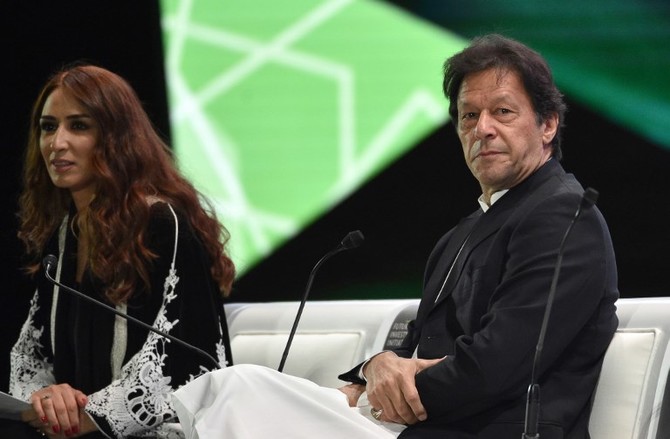
Pakistani Prime Minister Imran Khan, Khaldoon Al-Mubarak, CEO and MD of Abu Dhabi’s Mubadala Investment Company as well as Kirill Dmitriev, CEO of the Russian Direct Investment Fund, were all in attendance on Tuesday.
Khan said, during the panel on emerging opportunities, that his country was looking for a mix of loans from the IMF and “friendly governments.” Khan added that he had spoken to Saudi Arabia's Crown Prince Mohammed bin Salman about boosting investment ties between the two countries.
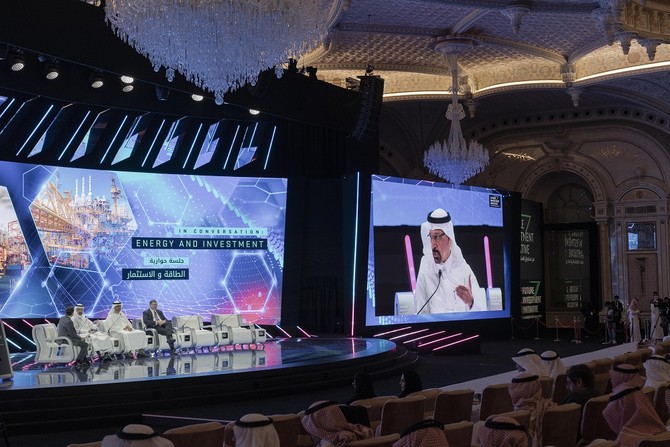
Saudi Arabia's Energy Minister Khalid Al-Falih praised CEO of French energy giant Total, Patrick Pouyanne, for standing by Saudi Arabia in this difficult period.
"We see what partnership means when you have difficult times," Pouyanne responded as he shared the stage with Falih.
"This is when you really strengthen a partnership."
#FII2018: #Pakistan Prime Minister Imran Khan says looking for mix of loans from #IMF and “friendly governments.” Follow our coverage of the @FIIKSA: https://t.co/NiHQAdPDbg pic.twitter.com/pIB1voLumG
— Arab News (@arabnews) October 23, 2018
#FII2018: #Pakistan PM Imran Khan says has spoken to #Saudi Crown Prince Mohammed bin Salman about boosting investment ties between countries. Follow our coverage of the @FIIKSA: https://t.co/NiHQAdPDbg pic.twitter.com/RHng6jWEwQ
— Arab News (@arabnews) October 23, 2018
On the energy and investment panel, Al-Falih noted that global oil demand would hit 120 million barrels a day in the next few decades, and that the Kingdom could boost its crude production by 1-2 million barrels a day.
#FII2018: World #oil demand to hit 120 million barrels a day in next few decades, says #KSA Energy Minister Khalid Al-Falih. Follow our coverage of the @FIIKSA: https://t.co/NiHQAdPDbg pic.twitter.com/mZHLndCLhB
— Arab News (@arabnews) October 23, 2018
The world's media turned their attention to a future technology presentation when the Crown Prince and Jordan's King Abdullah II arrived.
#FII2018: #Saudi business executive Lubna Olayan on death of #JamalKhashoggi : the “terrible acts reported in recent weeks are alien to our culture and DNA.” Follow our coverage of the @FIIKSA: https://t.co/NiHQAdPDbg pic.twitter.com/4aKIp9HMtw
— Arab News (@arabnews) October 23, 2018

At the session, Saudi Arabia's Minister of Communications and IT Abdullah Al-Sawahah said: "Saudi Arabia is moving at light speed in becoming the tech hub of the region."
Meanwhile, Emirati investor Mohamed Alabbar added: "There is so much room for technology growth in the Middle East, especially in Saudi Arabia, the UAE and the whole region."
#LIVE: #SaudiArabia's Minister of Communications and IT Abdullah Al-Sawahah at #FII2018:" We are moving at light speed in becoming the tech hub of the region" #SaudiArabiahttps://t.co/ZXG8o291EH pic.twitter.com/WiBIINYhwh
— Arab News (@arabnews) October 23, 2018
#LIVE: Mohamed Alabbar - "There is so much room for #technology growth in the #MiddleEast, especially in #SaudiArabia, #UAE and the whole region."https://t.co/ZXG8o291EH pic.twitter.com/fQh7GPmg1y
— Arab News (@arabnews) October 23, 2018
The three-day FII event will likely see more investment partnerships from Russia and China being forged, as noted by Ellen Wald, president of the Transversal Consulting think-tank and author of the recent book “Saudi Inc,” with executives still looking to do business at the Riyadh meeting despite some having pulled out.
Click for more coverage of the event: Future Investment Initiative.


