HARGEYSA: Dubai state-owned port operator DP World has launched a $101 million project to expand a port in the breakaway region of Somaliland.
Somaliland broke away from Somalia in 1991 and has acted as a de-facto independent state since then but is not internationally recognized. The United Arab Emirate’s Dubai government owns DP World.
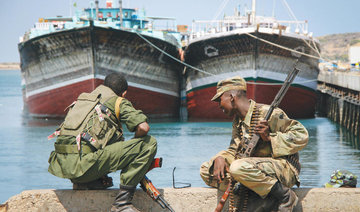
The port in Berbera exports camels to the Middle East and imports food and other items, but Somaliland hopes it will provide an alternative for neighboring Ethiopia — a landlocked country of 100 million which relies on Djibouti for its trade.
DP World said the first phase of expansion will consist of constructing a 400-meter quay as well as the development of a free-zone, with Emirati firm Shafa Al Nahda the contractor.
“This investment in Berbera ... and the expansion is of a huge benefit for Somaliland to develop its economy. We are thinking to be competitive with our ports in the region,” Muse Bihi Abdi, the breakaway region’s president, told journalists.
The first phase is part of an expansion deal signed with DP World in 2016 and worth a total of $442 million.
DP World’s chairman and chief executive Sultan Ahmed bin Sulayem said Berbera would serve Ethiopia’s expanding economy and its increasing trade.
“We did not get assurances from them. (But) they need every port capacity in Ethiopia. It is only a matter of opening the port and making sure the road is there,” he said in a news conference.
But the launch comes amid opposition from Somalia, which believes its sovereignty is being violated. Senior officials have said such deals “bypassed the legitimate authority” of Mogadishu.
Bihi Abdi dismissed the claim. He said agreements with such international firms would boost the country’s quest to achieve international recognition.
“Because when DP World came to Berbera, there was attention from other countries and big business companies because most of them were thinking that Somaliland was not a recognized country and ignored the peace and stability in Somaliland,” he said in a news conference in Hargeysa.
“DP World was a big, international company which dared to come to Somaliland and I hope a lot of other companies from any continent will follow their path and come to Somaliland.”


![]()

DP World launches expansion of port in Somaliland
DP World launches expansion of port in Somaliland
- Somaliland broke away from Somalia in 1991 and has acted as a de-facto independent state since then but is not internationally recognized
- DP World said the first phase of expansion will consist of constructing a 400-meter quay as well as the development of a free-zone

Latest updates




© 2026 SAUDI RESEARCH & PUBLISHING COMPANY, All Rights Reserved And subject to Terms of Use Agreement.