JEDDAH: Researchers will observe and document the effects women driving in Saudi Arabia have on the economy, environment, community and traffic safety. It will also gather information about attitudes toward the change in the law, and the experience of women who get behind the wheel.
With the ban on women driving in the Kingdom due to be lifted on June 24, 2018, Imam Abdulrahman bin Faisal University in Dammam has launched a national study titled “The impact of women’s driving on sustainable development and traffic safety in the Kingdom.”
Researchers from the university, headed by Dr. Najah bint Moqbel Al-Qarawi, a professor of geography of transportation, will supervise the project in collaboration with a specialist team from the General Directorate of Traffic.
Al-Qarawi said that a scientific survey about cars and drivers is being distributed on social media outlets, targeting male and female citizens and residents from all parts of society, in cities and villages. The questionnaire will reveal how participants feel about the issue of women driving and the potential effects it will have.
It will also measure the extent of support for the move from men, while women will be asked about their means of transportation and the main problems they face. Women who want to drive will also be asked about driving, training, the process for getting a license, their fears and aspirations, and for suggestions that might make the process easier and more appealing.
The survey will be carried out in two stages, before and after women get behind the wheel.
The data will be analyzed to help make recommendations to benefit the community and the interests of the country.
Everyone who completes a survey will be entered in a draw to win one of several cars from Almajdouie car company.


![]()

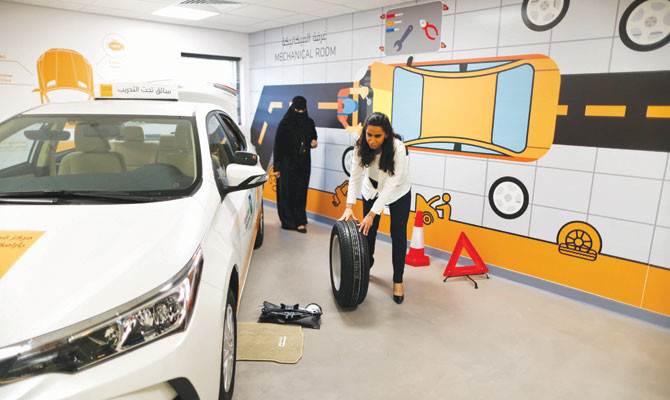
Saudi university launches survey into the effects of women driving
Saudi university launches survey into the effects of women driving
- A scientific survey about cars and drivers is being distributed on social media outlets, targeting male and female citizens and residents
- The data will be analyzed to help make recommendations to benefit the community and the interests of the country


Latest updates


© 2026 SAUDI RESEARCH & PUBLISHING COMPANY, All Rights Reserved And subject to Terms of Use Agreement.