RIYADH: The amount of funds granted by banks and guaranteed by the Kingdom’s Kafalah Program (SME Financing Guarantee Program) for small- and medium-sized enterprises has exceeded SR21 billion ($5.6 billion) until the end of 2017. The move is significant considering that one of the main goals of Vision 2030 is to raise the GDP contribution of SMEs in the Kingdom from 20 to 35 percent.
This was disclosed by Homam Abdul Aziz Hashim, Kafalah’s director general, on Saturday. Hashim said: “The Saudi banks collaborating with the program confirmed their strong commitment to empowering small- and medium-sized enterprises and facilitating their success, thereby contributing to the national economy.”
He said the Kafalah Program has brought forward more than 10,000 success stories covering a wide range of industries and sectors. In 2017 alone, the number of small- and medium-sized companies participating in Kafalah reached 1793, an increase of 4.9 percent compared with 2016, he added.
“The program aims to overcome an obstacle often faced by SMEs, namely the inability to access adequate funding or to provide the required bank guarantees.” Addressing this crucial topic, the program was established to cover the risk of the bank in case of failure of the enterprise, he noted.
He pointed out that the services of the program are being expanded, aiming to further increase the number of beneficiaries. “The issuance of a royal decree to assign an amount of SR800 million to drive the growth of the private sector is expected to make a major positive impact in this regard,” he added. Through the launch of new products, Kafalah seeks to stimulate the financing of SMEs in line with the Kingdom’s Vision 2030, he said.
“From a modest start in its first year, when Saudi banks provided SR22 million in financing to 36 small and medium enterprises, today Kafalah is well positioned as a pioneering program which will contribute to achieving one of the most important objectives of the Vision 2030,” said Talat Hafiz, secretary general of the Media and Banking Awareness Committee and spokesman of the Saudi banks.
Hafiz said: “The steady increase in the number and value of guarantees and the high demand by participating banks showcases the success of the forward-thinking concept of the program, with the main objective being the development of this crucial sector of the local economy in lockstep with many developed nations such as the US and the European Union.”


![]()
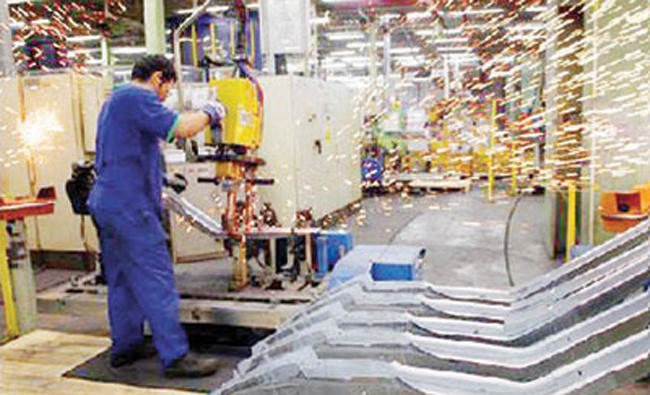
Kafalah Saudi program reaches 10,000 SMEs milestone
Kafalah Saudi program reaches 10,000 SMEs milestone

Latest updates


Recommended


© 2026 SAUDI RESEARCH & PUBLISHING COMPANY, All Rights Reserved And subject to Terms of Use Agreement.