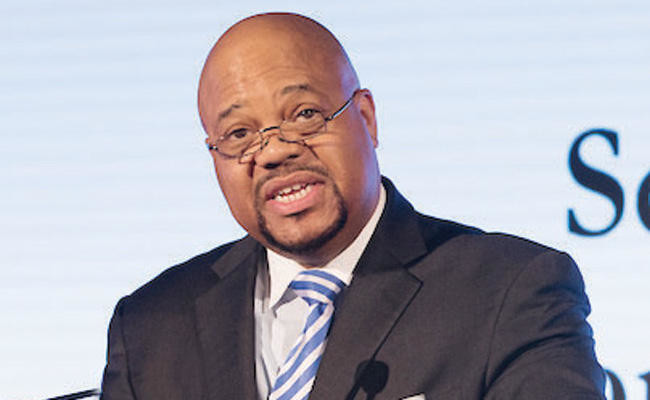
DUBAI: Ed Burton is the president and chief executive officer of the US-Saudi Arabia Business Council, based in Washington DC, whose job is to promote and facilitate business and trade between the two countries. As he and his fellow executives prepare for the royal visit to the US, he tells Arab News how he sees the challenges and opportunities of a growing business relationship.
Q: How do you assess the current state of US-Saudi business relations?
A: The US and Saudi Arabia enjoy a strong economic relationship, as the US is the Kingdom’s largest trading partner, and Saudi Arabia is one of the largest US export markets in the Middle East. At the Riyadh summit last May, more than $200 billion of commercial agreements were announced between Saudi and American companies.
Q: How does Saudi Arabia’s position in the world affect business relations?
A: Saudi Arabia’s geopolitical role in the region and globally has grown proportionately to the challenges and crises that both neighbor the Kingdom and that it has been forced to deal with given its own security concerns and its responsibilities to protect those within its borders. The US, under the leadership of President Trump, has recognized the importance of Saudi Arabia as an important strategic partner in addressing these challenges and crises. I firmly believe those bonds will continue to grow in a healthy way and reach new levels over the next 10 years.
As private sectors in the two countries seek new alliances and collaborative relationships, the rapid development of new industries in Saudi Arabia, enhanced integration of its local workforce and expanded localization of Saudi enterprise in serving the needs of the Kingdom will continue to create opportunities for American and Saudi companies.
Q: What kinds of US companies are doing business in Saudi Arabia now?
A: In the early years, the American presence in the Kingdom was largely limited to major companies involved in defense and energy. However, as this relationship has evolved over the past several decades, we have seen a shift toward companies of all sizes and industries entering the market, whether that is via direct export, establishing sales offices or distributors, or creating partnerships with Saudi firms. Medium-sized companies are discovering partners that are actively searching for US firms with technical expertise and quality products for a customer base that increasingly enjoys the “Made in USA” label. Meanwhile, large corporations are realizing that the Saudi government is encouraging investment and technology transfer with highly competitive loan programs, industrial utility rates, and very favorable tax regimes.
Q: What helps them succeed?
A: Our best success stories come from companies with defined goals and a willingness to take the time to understand and invest in the market. For some companies, that means having the patience and financial resources to explore partners, comply with regulations and establish a steady stream of receivables and payments. It is each company’s unique situation and demands that allow us to tailor a solution that ultimately benefits them and their Saudi partners. Keep in mind that for every American company we are successful in facilitating into the Saudi market, there is a Saudi company or government entity that will gain a new partner, investor or supplier.
Q: What industry sectors in the Kingdom are being prioritized for inward investment?
A: With Vision 2030 and the National Transformation Program, Saudi Arabia’s private sector is undergoing unprecedented growth resulting from the government’s economic diversification and liberalization drive. Almost every economic sector in the Kingdom is being overhauled to reduce layers of bureaucracy and stimulate private initiative. These include not only the commonly thought of sectors such as energy, petrochemicals, construction and power generation, but also health care, education, automotive and telecommunications, among others.
Q: How can the US participate in applying Vision 2030 in Saudi Arabia?
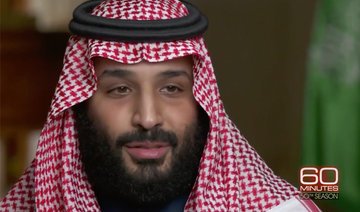
A: Saudi Arabia’s Vision 2030, spearheaded by Crown Prince Mohammed bin Salman, has already created billions of dollars’ worth of trade and investment opportunities for US companies across a wide array of industries. Business activities within the Saudi private sector are growing. And within the council, we have recorded a large uptick in the number of American companies contacting us for assistance in market entry or expansion within the Kingdom. The bottom line deliverable of the business council is building partnerships between US and Saudi companies, as well as access to information and to senior decision-makers in both the government and private sector.