PESHAWAR: Pakistan has announced it will reopen a border crossing point in North Waziristan tribal agency on March 7 to promote trade with neighboring Afghanistan.
The Ghulam Khan check post on the Pak-Afghan border was closed in 2014 when the Pakistan Army launched a military operation against Taliban militants in the area.
Talking to Arab News, Mir Ali’s Assistant Political Officer, Taimur Afridi, said the border would be opened for imports on Fridays and Saturdays while local traders would be allowed to export goods to Afghanistan from Monday to Thursday.
“The border will be opened permanently, not just for a few days,” he said. “The idea is to facilitate tribal people and promote trade and commerce in the region.”
Afridi added that the decision to reopen the border was taken after peace was restored in the area.
About 15 vehicles – all dedicated to trade activities and none of them passenger carriers – are expected to cross the border every day apart from Sundays, he said.
“The Afghan drivers would be allowed to reach the National Logistics Cell (NLC) terminal in North Waziristan but they would not go beyond that point. Similar restrictions will be imposed on Pakistani drivers by the other side, and they would not be allowed to go deep into Afghanistan,” he added.
Local tribal elders and traders have welcomed the decision, saying this will create a positive economic effect and generate employment opportunities in the region.
Malik Khan Marjan, Chairman of the Federally Administered Tribal Areas (FATA) Grand Alliance, a representative body of seven tribal agencies, told Arab News that the Ghulam Khan border crossing with Afghanistan was an international route and its opening could give a great impetus to business and trade activities across the tribal belt.
“Much of the tribal population lost their homes during the Talibanization of this area and the ensuing military operations. They are moving from pillar to post to get compensation to rebuild these residences. The reopening of the North Waziristan border crossing with Afghanistan is a dire need in this context,” said Marjan.
He said that the move will “address the sense of deprivation among the tribal population to a certain degree.”
Marjan maintained that not only the people of North Waziristan but also residents of South Waziristan, Kurram Agency and other areas of the tribal belt would also benefit from the route.
Director of the Pakistan-Afghanistan Joint Chamber of Commerce and Industry, Ziaul Haq Sarhadi, agreed that the reopening of the border crossing point would help improve trade.
Talking to Arab News, he said the government should take more steps to create a conducive business environment in North Waziristan since it had already largely restored peace and stability in the area.
Sarhadi claimed the Pakistan-Afghanistan trade had come down from Rs5 billion ($45.2 million) to a little more than Rs1billion during the past four years.
“Poor relations between the two countries and poor trade policies have been affecting our business. Afghan authorities have imposed unnecessary taxes on Pakistani drivers. Even our own authorities are taxing Afghanistan-bound goods. All this increases the cost of doing business and negatively impacts the Pak-Afghan trade,” he said.
Pakistan’s existing border crossing points with Afghanistan include Torkham border in Khyber Agency, Kharlachi border in Kurram Agency, and Chaman border in Quetta, Balochistan.
“Pakistan and Afghanistan must do everything to open more trade points to strengthen physical connectivity and enhance commerce activities in the region,” said Sarhadi.
Pakistan and Afghanistan share around 2,500 kilometers of porous border that is largely unmanned on both sides.


![]()
![]()
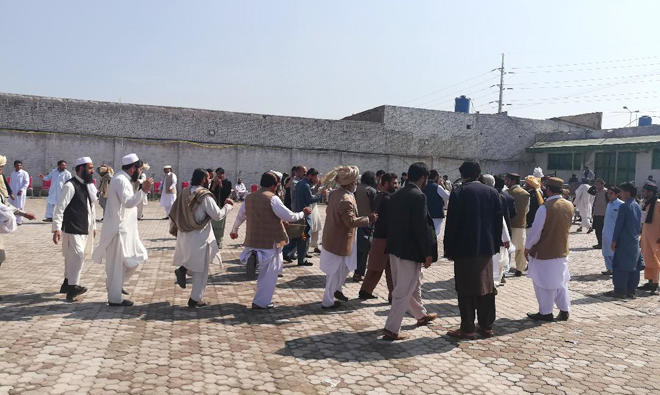
Pakistan reopens North Waziristan border with Afghanistan
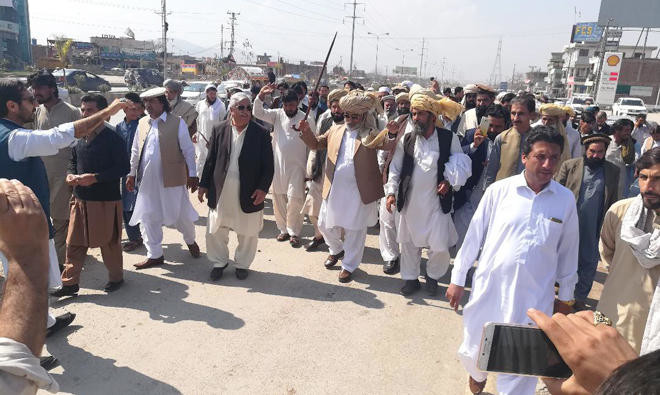
Pakistan reopens North Waziristan border with Afghanistan
Latest updates


© 2026 SAUDI RESEARCH & PUBLISHING COMPANY, All Rights Reserved And subject to Terms of Use Agreement.