LONDON: Cryptocurrencies are failing as a form of money and have shown classic signs of being a financial bubble, requiring regulators to protect consumers and stop their use for illegal activities, Bank of England Governor Mark Carney said on Friday.
Carney did not call for a ban on cryptocurrencies such as bitcoin but said they needed to be regulated in a similar way to other parts of the financial system, and stressed they could not effectively replace traditional currencies.
“Cryptocurrencies act as money, at best, only for some people and to a limited extent, and even then, only in parallel with the traditional currencies of the users. The short answer is they are failing,” Carney said in a speech.
Carney, who heads the Financial Stability Board, a global financial rule-making body, expressed doubts about cryptocurrencies earlier this year and his speech for a Scottish student economics conference expanded on these.
“At present, crypto-assets raise a host of issues around consumer and investor protection, market integrity, money laundering, terrorism financing, tax evasion, and the circumvention of capital controls and international sanctions,” he said.
For now, they posed little financial stability risk to Britain as whole, due mostly to major banks’ limited involvement with them. But for individual investors, they were a major risk.
“Many cryptocurrencies have exhibited the classic hallmarks of bubbles including new paradigm justifications, broadening retail enthusiasm and extrapolative price expectations reliant in part on finding the greater fool,” he said.
Bitcoin prices have fallen sharply since December 2017.
However, the distributed-ledger technology underlying cryptocurrencies did have potential for improving cash settlement in the banking system and other asset transactions, he added.


![]()
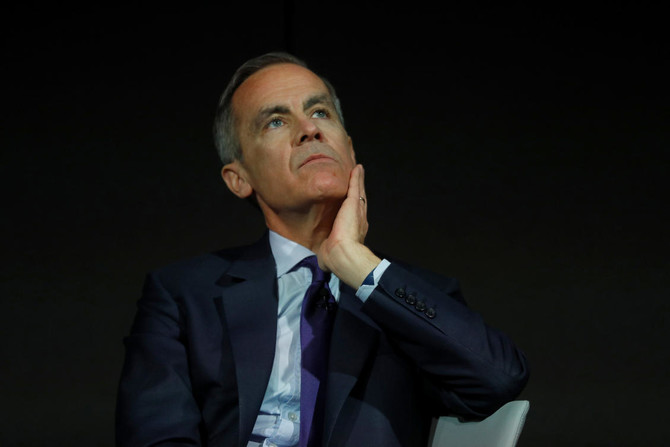
Cryptocurrencies are failing as money, Bank of England chief says
Cryptocurrencies are failing as money, Bank of England chief says


Latest updates





© 2026 SAUDI RESEARCH & PUBLISHING COMPANY, All Rights Reserved And subject to Terms of Use Agreement.