RIYADH: King Salman approved plans on Monday for the development of the Saudi Ministry of Defense.
The plans outline the ministry’s vision and strategy, and its organizational structure, governance and human resources requirements to meet the national defense strategy.
The king also announced a raft of key civil and military appointments in a series of decrees on Monday night.
Prince Badr bin Sultan is the new governor of Al-Jouf, replacing Prince Fahd bin Badr, who becomes a minister and adviser to the king.
Prince Turki bin Talal is the new deputy governor of Asir, and Prince Faisal bin Fahd bin Muqrin deputy governor of Hail. Dr. Tamadir bint Yousef Al-Rimah has been made deputy minister of labor and social development.
The military Chief of Staff, Gen. Abdurahman Al-Bunyan, has retired, and he has been made an adviser at the Royal Court. He is replaced by Lt. Gen. Fayad Al-Ruwaili, deputy chief of staff, who has been promoted to general.
Prince Sultan bin Ahmad has been appointed an adviser at the Royal Court, as has Prince Faisal bin Turki, who also has the rank of minister.
Shalaan bin Shala’an was appointed Deputy Attorney General and Eng. Ibrahim Al-Sultan, Adviser to the Royal Court, was made a member of the Council of the Supreme Commission for the development of Riyadh City, the Council of the Development Authority of Makkah Region, the Council of the Development Authority of Madinah, the Board of Trustees of the High Commission for the development of Hail and the Council of the Supreme Authority for the development of the Eastern Region.


![]()
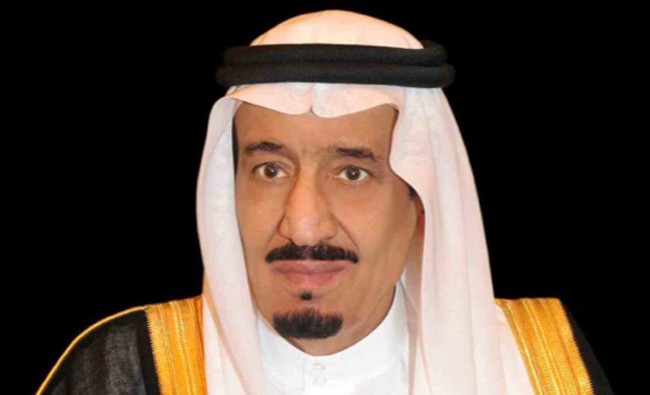
Saudi king approves new strategy for defense ministry
Saudi king approves new strategy for defense ministry



Latest updates


© 2026 SAUDI RESEARCH & PUBLISHING COMPANY, All Rights Reserved And subject to Terms of Use Agreement.