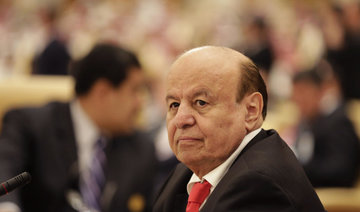
RIYADH: The Saudi Cabinet has welcomed statements from the Arab Coalition Supporting Legitimacy in Yemen calling for restraint and to open a dialogue over the developments in the temporary capital of Yemen in Aden.
Chaired by King Salman at Al-Yamamah Palace in Riyadh on Tuesday, the Cabinet also praised the coalition’s call on the Yemenis to work jointly with the coalition to complete liberation of Yemeni lands from the Iranian-backed Houthi militia and to avoid partition, discord and the undermining of state institutions in the conflict.
The Cabinet further welcomed the coalition’s demand to all Yemeni parties to stop fighting immediately and to focus on the key objectives, notably restoration of legitimacy, security and stability, and to resolve all issues through available political mechanisms.
At the local level, the Cabinet dealt with the Kingdom’s participation in the World Economic Forum in Davos, Switzerland, where the Saudi delegation highlighted the economic reforms undertaken by the Kingdom to build an economy depending on innovation in order to set an example at Arab and global levels.
On the Kingdom’s speech during an open dialogue at the UN Security Council last Thursday on “the situation in the Middle East, including the Palestinian question,” the Cabinet stressed that Al-Quds is the permanent and historic capital of Palestine in accordance with international resolutions. Any procedures taken by the Israeli occupation authorities are void and will only increase tension in the Middle East and weaken hopes of reaching a comprehensive and lasting two-state solution, the Cabinet said.
On terrorism, the Cabinet renewed the Kingdom’s strong condemnation of bombings in Kabul, Afghanistan, which resulted in tens of deaths and injuries. The Cabinet voiced the Kingdom’s condolences to the victims’ families and its solidarity with the Afghan government in the face of all forms of terrorism.
Later, the Cabinet approved a series of decisions including the establishment of diplomatic relations between the Kingdom and Rwanda and a cooperation agreement in agriculture between the Kingdom and Russia. The Cabinet also authorized the Minister of Housing to discuss and sign a draft memo of understanding on housing and construction between the Kingdom and Tunisia.


![]()

Saudi Cabinet backs coalition’s call for dialogue between Yemeni parties
Saudi Cabinet backs coalition’s call for dialogue between Yemeni parties


Latest updates


© 2026 SAUDI RESEARCH & PUBLISHING COMPANY, All Rights Reserved And subject to Terms of Use Agreement.