LONDON: Hit shows like “Game of Thrones” and “Riviera” helped Sky deliver a 10 percent rise in first-half earnings, underscoring the appeal of the European pay-TV group to the US media companies trying to buy it.
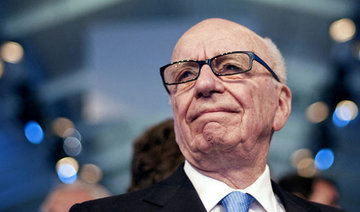
Rupert Murdoch’s Twenty-First Century Fox was provisionally blocked this week from buying the shares in Sky it does not already own, although there are options that would allow the $15.7 billion deal to do through.
Sky, whose customer base rose by 365,000 in the half to 22.9 million, could then be sold to Disney if a separate sale of Murdoch’s TV and film assets receives the green light.
The British broadcaster reported revenue of £6.7 billion (SR35.52 billion) for the six months to the end of December, up 5 percent year-on-year and in line with the first quarter, while core earnings rose to £1.1 billion.
“This performance reflects the investment choices we have made in recent years, allowing us to more than offset the pressure on consumer spending across Europe, as more customers continue to choose Sky for more of their services,” Chief Executive Jeremy Darroch said.
The satellite-company, which operates in Italy, Germany and Austria as well as Britain and Ireland, said it would pay an interim dividend of 13.06 pence a share, on top of a special dividend of 10 pence, which UBS analysts said was a positive surprise.
Darroch said the company’s investment in original programming, such as dramas “Riviera” and “Tin Star,” drove viewing figures for Sky’s own channels up 6 percent.
“We have an exceptional line-up of acquired series, and when you add to that our own Sky Originals, it puts us in what I think is the strongest content position we’ve ever had,” he told reporters on Thursday.
The results come two days after Britain’s competition regulatory ruled that Fox’s bid to buy the 61 percent of Sky it does not already own was not in the public interest.
Murdoch, who also owns newspapers in Britain, now has to come up with an arrangement that will prevent him from influencing the news agenda at Sky, for instance by spinning off its Sky News channel.
Darroch said Sky, along with Fox, was focused on this media ownership hurdle after the competition regulator dismissed concerns about Murdoch’s commitment to broadcasting standards.
“We are very much focused in the process with the (regulator) CMA,” he told reporters.
“We have (media) plurality as the final issue to work though, (...) and we’ll see where that takes us.”
He would not comment on the company’s thinking about Sky News, saying any messages about the 24-hour service would be given directly to staff.
“We have got a day job to do,” he said. “And I think you can see from results and the plan we are laying out for 2018 we are not being distracted from any of that.”
Before the government gives its final decision on the Fox deal in June, Sky faces the next auction for English Premier League rights, the cornerstone of its offer to soccer fans.
Some of the pressure on Sky to pay huge sums to retain the biggest packages of games has been eased by a deal it struck with its biggest rival BT to supply channels on each other’s platform.
Darroch said he wouldn’t give a running commentary on the auction, adding Sky’s bid strategy was commercially sensitive.


![]()
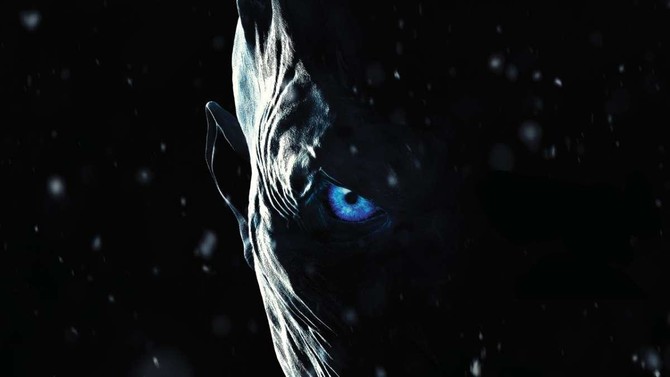
‘Game of Thrones’ and ‘Riviera’ boost Sky as own takeover saga drags on
‘Game of Thrones’ and ‘Riviera’ boost Sky as own takeover saga drags on


Latest updates



© 2026 SAUDI RESEARCH & PUBLISHING COMPANY, All Rights Reserved And subject to Terms of Use Agreement.