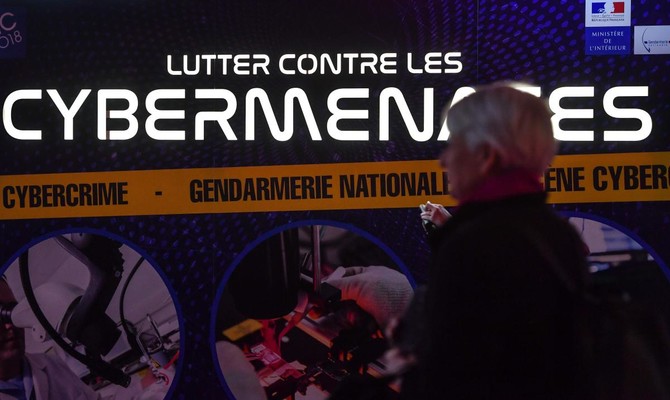
LONDON: The Global Center for Cybersecurity was launched at the World Economic Forum in Davos on Wednesday as governments and corporations respond to the growing threat of online attacks estimated to cost $445 billion a year.
The new body aims to strengthen cyber resilience and establish an independent library of best practices with the aim of identifying different attack scenarios.
It will be located in Geneva and become operational in March, WEF Managing Director Alois Zwinggi told a press conference on Wednesday morning.
The center also aims to help regions which are less “cyber developed” in developing new strategies to protect critical infrastructure.
Cyber security has emerged as an increasingly important theme in recent WEF gatherings as companies play catch up in trying to protect their computer systems from being hacked.
One of the exhibits at this year’s event is a 12 minute excerpt from a virtual reality production called Zero Days VR, which is based on a 2016 documentary made by Alex Gibney about cyber warfare and the “Stuxnet” virus.
The rise of the Internet of Things, or web-connected devices, is a particular worry for corporations and is thought to be creating more cyber vulnerabilities.
“Often in the Middle East, organizations try to address their cybersecurity issues by buying the latest technology or implementing the best standards, but unfortunately that doesn’t work on its own,” said Wael Fattouh, PwC Middle East Partner, Cyber and Technology Risk, in a report released in November. “Effective security must be achieved by smart and effective investments in people, processes, and technology together, that is the only way to ensure a proper and resilient level of protection.”


![]()
Global cyber body launched at Davos to tackle $445 billion threat
Global cyber body launched at Davos to tackle $445 billion threat

Latest updates





Recommended


© 2026 SAUDI RESEARCH & PUBLISHING COMPANY, All Rights Reserved And subject to Terms of Use Agreement.