CAIRO: US Vice President Mike Pence arrived in Cairo on Saturday at the start of a brief visit to the region against a backdrop of widespread anger at the US decision to recognize Jerusalem as the capital of Israel and move the US embassy there from Tel Aviv.
The issue topped the agenda at talks with the Egyptian President Abdel Fattah El-Sisi. The two men also discussed the global fight against terrorism and Egypt’s role in providing peace and stability.
Pence will also visit Jordan and Israel on the the three-day trip. It had been scheduled to begin in Israel on Dec. 17, but the plans were changed after the uproar over the US decision on Jerusalem.
The visit was delayed twice, and Pence decided to come to Egypt first because it was the ideal platform to address Muslims and the Arab world.
One US official said Washington hoped Pence’s visit would help to end the emotional fury caused by the US decision, and to open a new page focusing on priorities such as fighting terrorism. Nevertheless, the Vice President has been snubbed by Egypt’s two main religious leaders, Sheikh Ahmed El-Tayeb, the Grand Imam of Al-Azhar and the Coptic Pope Tawadros, both of whom refused to meet him.
Mohammed El-Orabi, a former Egyptian foreign minister and a member of the parliamentary foreign affairs committee, told Arab News Pence would listen to Egypt’s stance on the Jerusalem decision and its effect on US-Arab relations.
Tariq Fahmi, a professor of political science, said Cairo would use Pence’s visit to send important messages and clear warnings to the US administration. They would focus on respect for the two-state solution and the rejection of the US decision on Jerusalem. He said the Egyptian leadership would tell the US Vice President that any acts in this regard would harm US credibility in the region.
Pence spokesman Elisa Farah said the vice president’s meetings with the leaders of Egypt, Jordan and Israel formed part of US national security interests, and the visit would go ahead despite the shutdown of the US federal administration following failure of Congress to agree on a budget.
US officials in the White House said that in addition to the Middle East peace process, Pence would discuss countering Iran’s support of terrorism, how to help refugees in Syria, and the protection of Christians and other minorities in the region from attacks by terrorist groups.
Pence will not meet Palestinian officials during his visit. Spokesmen for both Fatah and Hamas said on Saturday that the vice president’s visit was unwelcome because he was biased in favor of Israel, and there was no justification for meeting him.


![]()
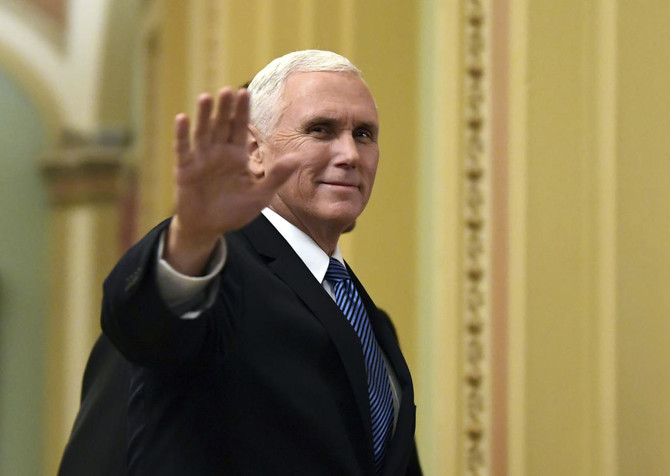
US decision on Jerusalem casts shadow over Pence visit
US decision on Jerusalem casts shadow over Pence visit
Latest updates


© 2026 SAUDI RESEARCH & PUBLISHING COMPANY, All Rights Reserved And subject to Terms of Use Agreement.