Saudi Arabia, UAE claim some of the tallest skyscrapers completed in 2017

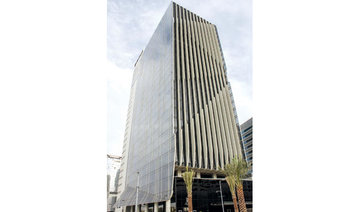
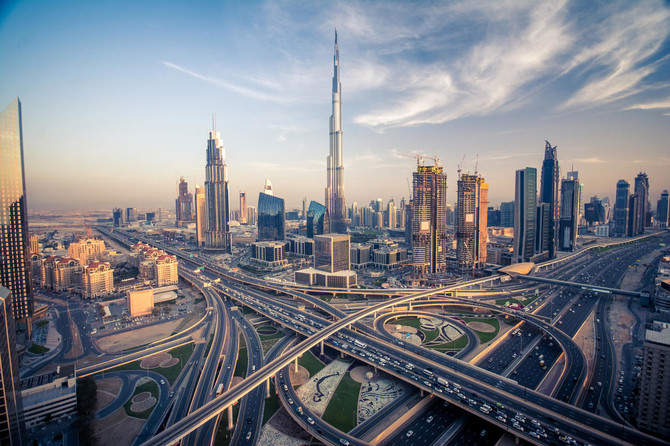
The United Arab Emirates have featured among the top 144 for the tallest skyscrapers completed in 2017. (Shutterstock)
Updated 08 January 2018
Follow

Saudi Arabia, UAE claim some of the tallest skyscrapers completed in 2017

Cities in Saudi Arabia and the United Arab Emirates have featured among the top 144 for the tallest skyscrapers completed in 2017, according to a report filed by the Council for Tall Buildings and Urban Habitat.

The report placed the UAE in fourth, fifth and sixth place, with Marina 101 tower (425m), the Address Boulevard hotel (370m), and Ahmed Abdul Rahim Al Attar Tower (325m) claiming their positions respectively.

“With the help of these tall beautiful structures, Dubai creates new records and these in turn give Dubai global recognition... These tall structures help boost the real estate and tourism economy too, the two factors that majorly drive and effect the country’s GDP,” Imrann Nawab, director of sales, Gulf Sotheby’s International Realty, told Khaleej Times.

Saudi Arabia was placed at 124 and 144 for Al Rajhi Bank Tower (205m) and Al-Obeikan Hilton Tower Hotel (200m) skyscrapers respectively.

Turkey also featured in the report with Istanbul’s Skyland Office Tower (284m), Skyland Residential Tower (284m) and Metropol Tower Istanbul (280m) claiming the 20th, 21st and 25th spots respectively.

The top spot was occupied by China’s Ping An Finance Center which looms over the city of Shenzhen at 599m.

In the UAE, Dubai Creek Tower is under construction, which once complete, will reach a height of 928m.

And Saudi Arabia is currently building the Jeddah Tower, previously known as the Kingdom Tower, which aims to become the world’s tallest building by hitting the one-kilometer mark.

Middle East's tallest towers completed in 2017
Regional rank Overall rank Tower name City Height (m)
1 4 Marina 101 Dubai, UAE 425
2 5 The Address Boulevard Dubai, UAE 370
3 6 Ahmed Abdul Rahim Al Attar Tower Dubai, UAE 325
4 20 Skyland Office Tower Istanbul, Turkey 284
5 21 Skyland Residential Tower Istanbul, Turkey 284
6 25 Metropol Tower Istanbul Istanbul, Turkey 280
7 124 Al Rajhi Bank Tower Riyadh, Saudi Arabia 205
8 144 Al-Obeikan Hilton Tower Hotel Riyadh, Saudi Arabia 200

Saudi Arabia’s foreign reserves rise to a 6-year high of $475bn

Updated 22 February 2026
Follow

Saudi Arabia’s foreign reserves rise to a 6-year high of $475bn

RIYADH: Saudi Arabia’s foreign reserves climbed 3 percent month on month in January to SR1.78 trillion, up SR58.7 billion ($15.6 billion) from December and marking a six-year high.

On an annual basis, the Saudi Central Bank’s net foreign assets rose by 10 percent, equivalent to SR155.8 billion, according to data from the Saudi Central Bank, Argaam reported.

The reserve assets, a crucial indicator of economic stability and external financial strength, comprise several key components.

According to the central bank, also known as SAMA, the Kingdom’s reserves include foreign securities, foreign currency, and bank deposits, as well as its reserve position at the International Monetary Fund, Special Drawing Rights, and monetary gold.

The rise in reserves underscores the strength and liquidity of the Kingdom’s financial position and aligns with Saudi Arabia’s goal of strengthening its financial safety net as it advances economic diversification under Vision 2030.

The value of foreign currency reserves, which represent approximately 95 percent of the total holdings, increased by about 10 percent during January 2026 compared to the same month in 2025, reaching SR1.68 trillion.

The value of the reserve at the IMF increased by 9 percent to reach SR13.1 billion.

Meanwhile, SDRs rose by 5 percent during the period to reach SR80.5 billion.

The Kingdom’s gold reserves remained stable at SR1.62 billion, the same level it has maintained since January 2008.

Saudi Arabia’s foreign reserve assets saw a monthly rise of 5 percent in November, climbing to SR1.74 trillion, according to the Kingdom’s central bank.

Overall, the continued advancement in reserve assets highlights the strength of Saudi Arabia’s fiscal and monetary buffers. These resources support the national currency, help maintain financial system stability, and enhance the country’s ability to navigate global economic volatility.

The sustained accumulation of foreign reserves is a critical pillar of the Kingdom’s economic stability. It directly reinforces investor confidence in the riyal’s peg to the US dollar, a foundational monetary policy, by providing SAMA with ample resources to defend the currency if needed.

Furthermore, this financial buffer enhances the nation’s sovereign credit profile, lowers national borrowing costs, and provides essential fiscal space to navigate global economic volatility while continuing to fund its ambitious Vision 2030 transformation agenda.