CAIRO: Egyptian MPs have accused Khartoum of escalating tensions with Cairo and renewing Sudanese claims to a disputed border area known as the Hala’ib Triangle.
The accusation was made after Sudan on Thursday summoned its ambassador from neighboring Egypt for consultations.
“We respect the Sudanese people and their political leadership. However, this escalation (summoning the ambassador) is unjustified,” said Egyptian MP Mona Mounir.
Cairo is willing “to discuss and negotiate everything with neighboring Sudan, except what might affect Egypt’s historic share of the (Nile) water and its documented and recognized borders,” she added.
Sudan’s summoning of its ambassador and its claim to the Hala’ib Triangle “will never deter us from protecting every inch of our territory,” Mounir said.
Khartoum’s actions came days after Egypt’s Foreign Ministry rejected Sudan’s claim to the territory, and its allegations that it is under Egyptian “occupation.”
Spokesman Ahmed Abu Zeid said the ministry will send a letter to the UN in response to Khartoum’s letter claiming that Egypt is occupying Sudanese territory. Egypt’s letter will emphasize its sovereignty over Hala’ib, he added.
In November, Sudan’s Foreign Minister Ibrahim Al-Ghandour said his country “will never give up Hala’ib.”
The head of Sudan’s Technical Committee for Border Demarcation (TCBD), Abdullah Al-Sadiq, on Thursday reiterated his country’s position regarding the territory.
He called for a peaceful resolution, but said the continued “Egyptian infringement” on Sudanese land would provoke Khartoum to engage in direct clashes and would be counterproductive for Cairo. “Hala’ib is Sudanese, and we will restore our sovereignty over it,” he added.
Egyptian MP Tariq Al-Khawly said Sudan’s summoning of its ambassador was aimed at escalating tensions, and was carried out in coordination with Qatar and Turkey. He added that the dispute would damage Egypt’s interests and affect its national security.


![]()
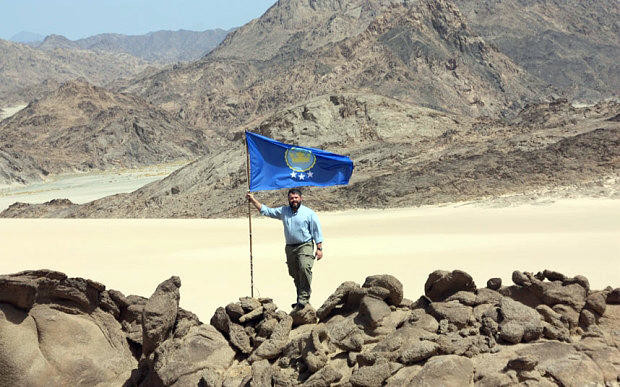
Egyptian MPs accuse Sudan of escalating tensions
Egyptian MPs accuse Sudan of escalating tensions
Latest updates


© 2026 SAUDI RESEARCH & PUBLISHING COMPANY, All Rights Reserved And subject to Terms of Use Agreement.