- Israel’s defense minister: ‘No calm in Beirut’ if Hezbollah attacks continued
- The fighting in Lebanon has been the broadest spillover of the Iran war
WASHINGTON/JERUSALEM/BEIRUT: Lebanon's embassy in Washington said Monday that Hezbollah had accepted a US proposal to stop attacking Israel in exchange for Israel halting attacks on south Beirut, shortly after the American president said he had a "very good call" with the Iran-backed group.
Under the arrangement, which Hezbollah has accepted according to a statement shared by the Lebanese presidency, "Israeli strikes on Dahiyeh would cease in exchange for Hezbollah refraining from launching attacks against Israel," referring to Beirut's southern suburbs, which Israel had threatened to strike on Monday.
Israel's growing offensive in Lebanon, including its deepest ground invasion in two decades and heavy bombardment, had threatened to scupper the ceasefire between the US and Iran in the wider Middle East war.
Hezbollah drew Lebanon into the conflict on March 2 by firing rockets at Israel in retaliation for the US-Israeli killing of Iran's supreme leader.
On Monday US President Donald Trump posted on social media that he had persuaded Israel and Hezbollah to de-escalate.
"There will be no Troops going to Beirut, and any Troops that are on their way, have already been turned back," Trump said on his Truth Social network after a "very productive" call with Israeli Prime Minister Benjamin Netanyahu.
"Likewise, through highly placed Representatives, I had a very good call with Hezbollah, and they agreed that all shooting will stop - That Israel will not attack them, and they will not attack Israel," he added.
The reversals come a day before Lebanon and Israel are to begin a fourth round of US-hosted direct negotiations on Tuesday. Military delegations held security talks last week.
Earlier on Monday, Tehran said a Lebanon ceasefire remained a key condition for any deal with Washington, as Iran's Revolutionary Guards threatened to open "new fronts" over Israel's offensive in Lebanon.
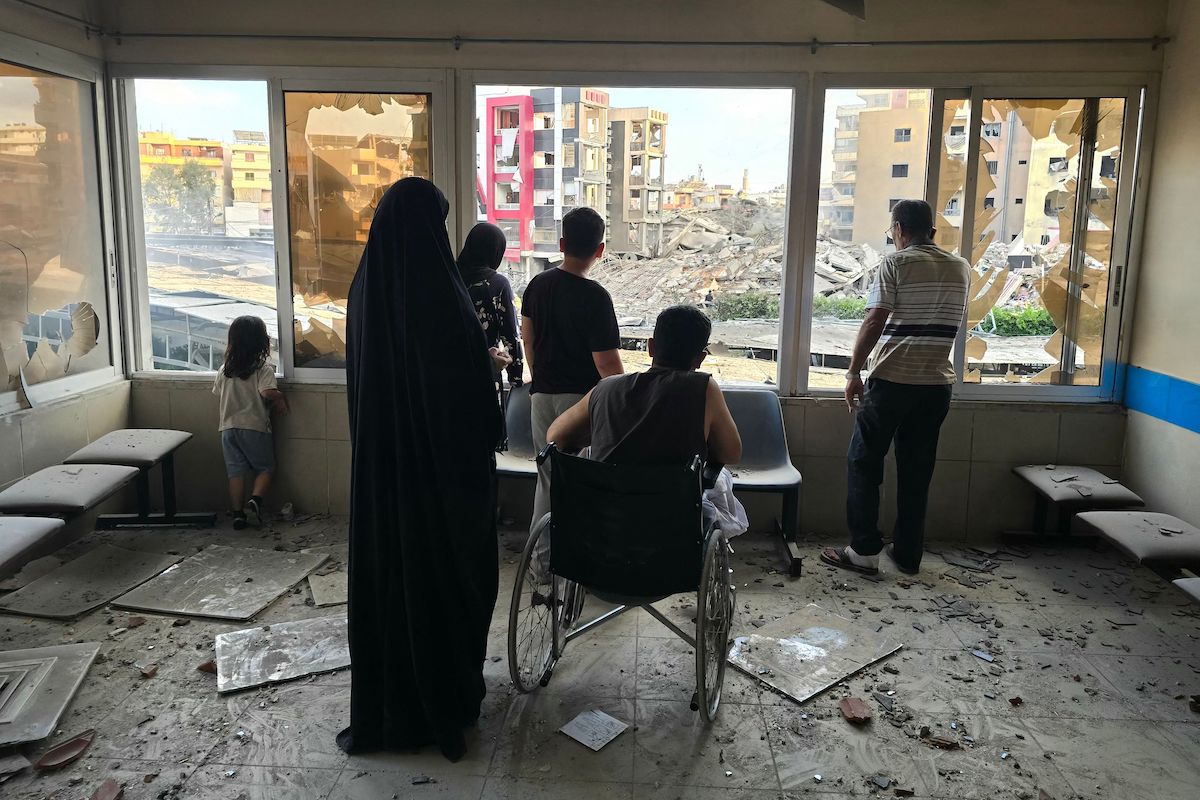
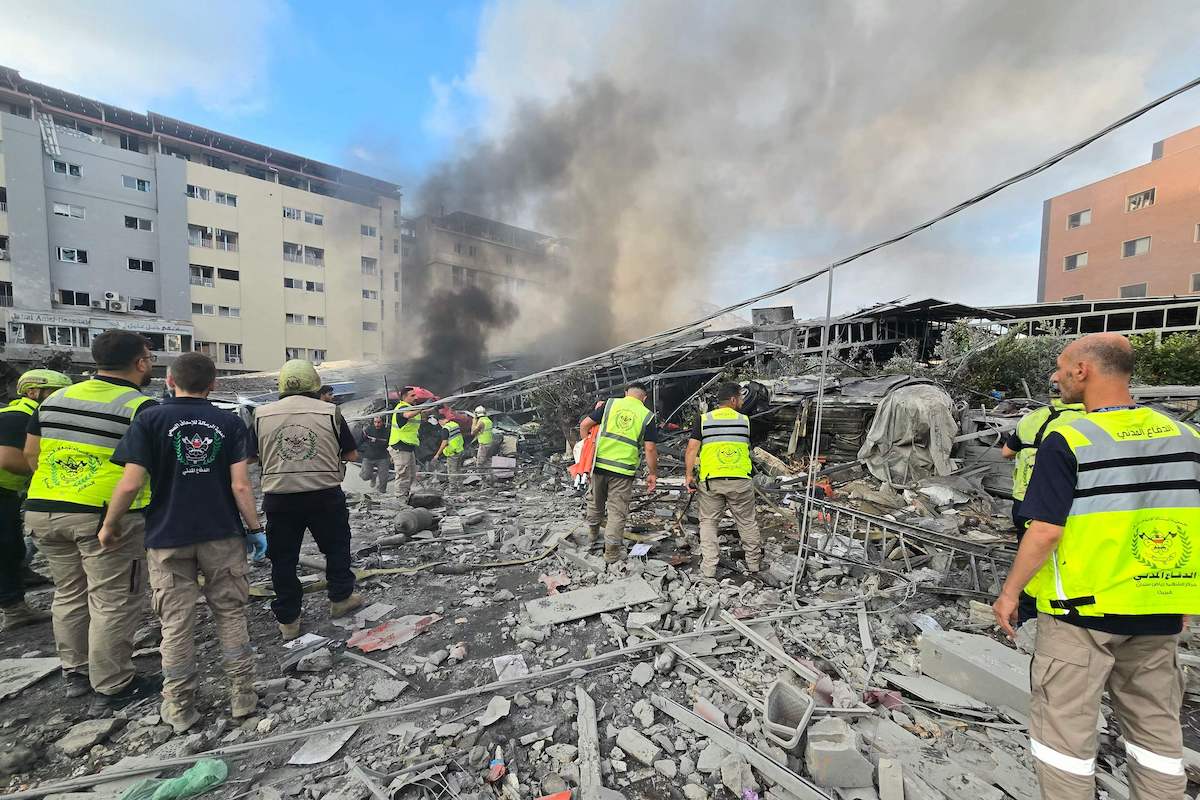
Lebanon's state-run National News Agency (NNA) reported Israeli airstrikes on more than 40 locations in the country's south on Monday, including one that damaged a hospital in the city of Tyre.
An AFP correspondent saw heavy damage in the area and first responders putting out a blaze at the Jabal Amel hospital's car park which had been hit.
The health ministry shared videos showing damage inside a hospital ward, with rubble and debris on the ground, blown-out ceilings, blood on the floor and shattered glass.
'Deeply alarmed'
Elsewhere, Hezbollah claimed a series of attacks on Israeli troops who have invaded southern Lebanon and on targets across the border on Monday.
The Israeli military announced Monday that two of its soldiers had been killed in separate incidents in southern Lebanon, bringing to 27 the number of Israeli military deaths since early March.
Before Trump's statement, a source close to Hezbollah told AFP on condition of anonymity that the group had "not committed to stop attacking" northern Israel.
Stephane Dujarric, spokesman for UN Secretary-General Antonio Guterres, said that "we are deeply alarmed by the escalation in military activities across southern Lebanon and beyond," urging all sides "to respect the cessation of hostilities and avoid further escalation".
The UN Security Council was scheduled to hold an emergency meeting on the war in Lebanon on Monday.
Earlier in the day, Netanyahu had ordered the military to attack targets in the Lebanese capital Beirut’s southern suburbs, a Hezbollah stronghold known as Dahiyeh, Reuters reported.
“Following repeated violations of the ceasefire in Lebanon by the terrorist group Hezbollah and the attacks against our cities and citizens, Prime Minister Benjamin Netanyahu and Defense Minister Israel Katz ordered the IDF to attack terrorist targets in the Dahiyeh district in Beirut,” a statement from Netanyahu’s office said.
Katz said there would be “no calm in Beirut” if Hezbollah attacks continued and vowed to establish a military-controlled zone in the area of south Lebanon’s Litani River.
“The Dahiyeh in Beirut is no different from the communities in northern Israel — if there is no calm in the north, there will be no calm in Beirut,” Katz said in a statement released by his office, referring to the Beirut southern suburb and Hezbollah stronghold where he had earlier Monday ordered strikes.
“At the same time, the Israel Defence Forces continues to operate with fire and maneuver against Hezbollah terrorists and infrastructure in Lebanon … in order to push threats away from IDF forces and from the residents of the State of Israel, and to turn the Litani area into a zone under IDF security control, free of weapons and terrorists,” Katz added.
On Monday, the IDF warned residents of Dahiyeh and called on them to evacuate to preserve their safety, adding: “If the terrorist (group) Hezbollah continues launching rockets toward Israeli cities and towns, the IDF will respond by targeting objectives in the southern Dahiyeh (area).”
A source in the Lebanese foreign ministry told Arab News that Lebanon is conducting intensive diplomatic contacts with influential Arab and international parties to try to pressure Netanyahu not to carry out his threats to bomb Beirut’s southern suburbs.
The source said efforts are also currently focused on a Lebanese lobbying effort during the UN Security Council session to be held today in New York at the request of France to discuss developments in Lebanon.
Saudi Arabia has strongly condemned Israeli military actions on Lebanese territory, rejecting what it described as an incursion into the country and a violation of its sovereignty.
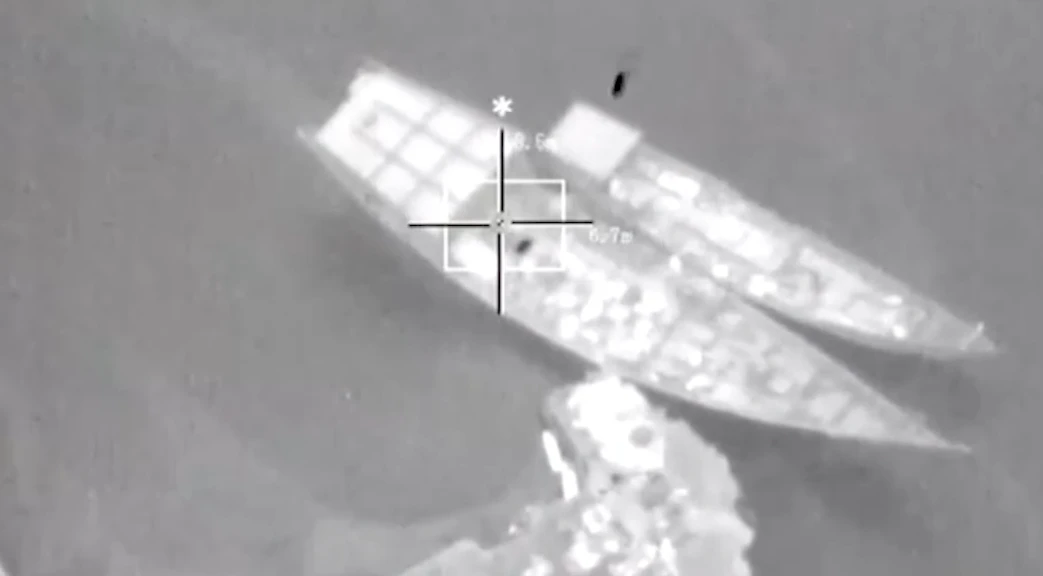
Israeli troops and Hezbollah have continued to trade fire since a mid-April ceasefire, with Hezbollah resorting to the use of cheap, easy-to-assemble kamikaze drones that are hard for air defenses to thwart and that have killed several Israeli troops in southern Lebanon.
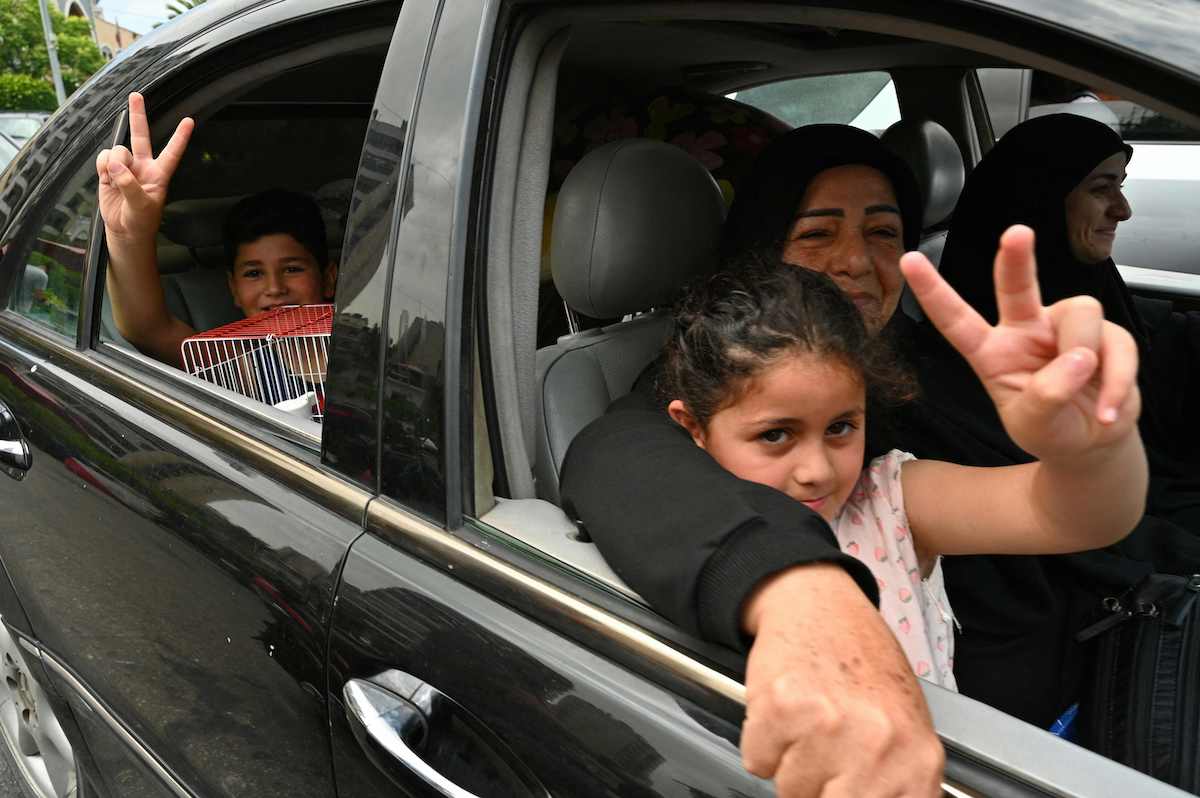
The fighting in Lebanon has been the broadest spillover of the Iran war, displacing more than 1.2 million Lebanese through Israeli strikes and evacuation orders since March 2, when Hezbollah began firing rockets and drones into Israel to back its ally Iran.
The incursion has so far killed more than 3,370 people, according to the Lebanese government. Israel says 24 of its soldiers and four civilians have been killed over the same period.
Lebanon says Israeli strike damages hospital in city of Tyre
Lebanon said an Israeli strike hit near a hospital in the southern city of Tyre on Monday as the health ministry shared footage showing heavy damage to the facility.
The state-run National News Agency said a strike targeting an intersection near the Jabal Amel hospital “hit a building and the parking lot, resulting in a number of wounded.”
The health ministry shared two videos showing damage inside a hospital ward, with rubble and debris on the ground, blown-out ceilings, blood on the floor and shattered glass, while smoke could be seen billowing from a fire at what appeared to be a heavily damaged adjacent car park.
Hezbollah ready for ceasefire
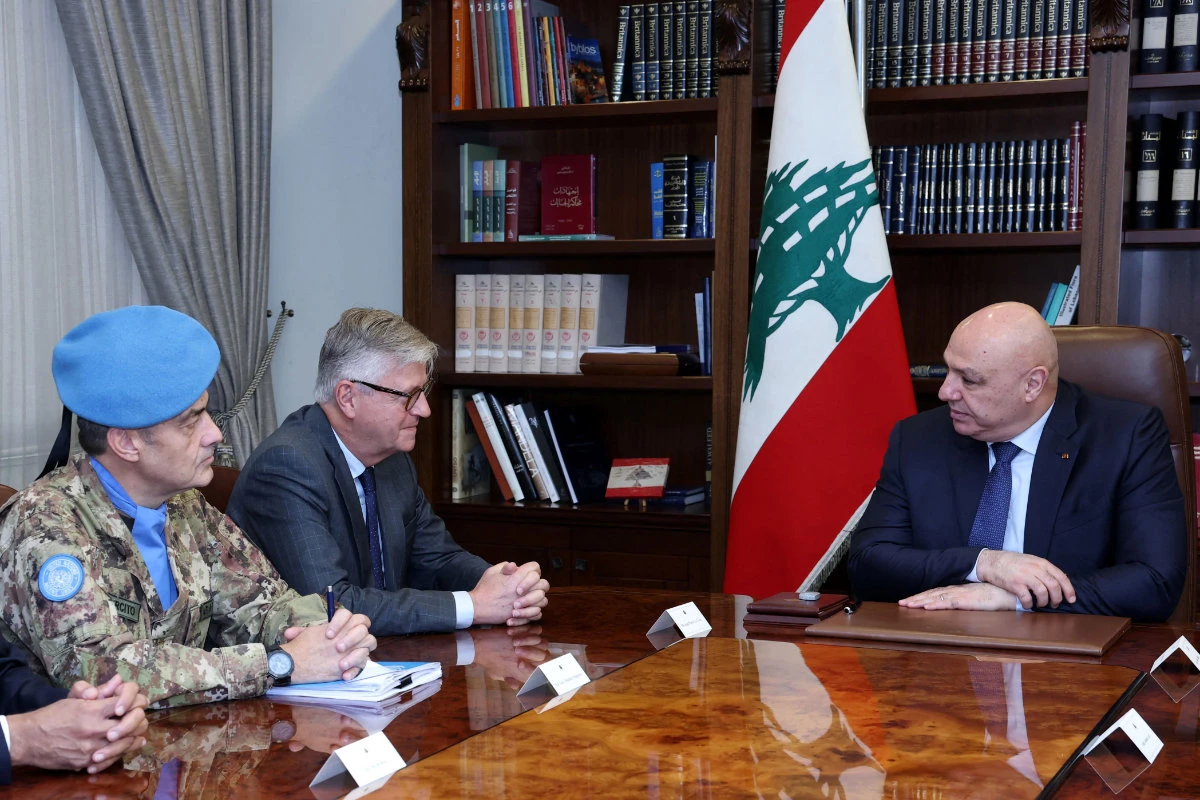
The speaker of the Lebanese parliament, Nabih Berri, told the administration of US President Donald Trump on Sunday that Hezbollah was ready for a full and immediate ceasefire with Israel and pledged to guarantee its implementation, Berri's top adviser Ali Hamdan told Axios.
EU calls on Israel to ‘stop military escalation’ in Lebanon: spokesman
The European Union on Monday urged Israel to halt its military operation in Lebanon, after Israel seized the strategic Beaufort Castle and said it would resume strikes on southern Beirut, AFP reported.
“We call on Israel to stop its military escalation in Lebanon and to respect Lebanon’s sovereignty and territorial integrity,” EU spokesman Anouar El-Anouni said.