JEDDAH: Iran-backed Houthi militias are keeping abducted Yemeni civilians imprisoned in chains, and forcing them to wear thin prison clothing in sub-zero temperatures.
Yemenis illegally detained in the Houthis’ “political security” jail in Sanaa have been denied family visits, and relatives are banned from bringing them food, water, medicines and clothes, or to check on their well-being, the Mothers’ Association of the Kidnapped Yemenis said on Sunday.
“Despite the fact that these are the coldest days of winter, the prison supervisors have tortured our sons physically and psychologically, tied their legs with chains and withdrawn all their clothes,” the organization said. Sanaa is currently enduring temperatures of five degrees below zero for the first time in 29 years.
Abducted Yemenis in Houthi prisons have also been tortured, and are suffering from serious illnesses because they are denied access to daylight and their health is being deliberately neglected, the mothers’ group said.
They called on the UN special envoy to Yemen, Ismail Ould Cheikh Ahmed, to fulfill his humanitarian commitment to the abducted Yemenis, and appealed to the Red Crescent to visit them.
The group also urged the UNHRC and other human rights groups to exert pressure on the Houthi militias to release the prisoners unconditionally.
Houthi prisons, both official and clandestine, hold thousands of innocent Yemenis who opposed the militias’ 2014 coup.
The campaign of kidnappings and abductions intensified after popular uprisings against the Houthis by Yemenis loyal to the late former President Ali Abdullah Saleh, who was murdered by the militias on Dec. 4.
The Houthi militias have also recruited child soldiers to fight for them, and Saudi Arabia is leading efforts to rehabilitate these traumatized children. The King Salman Centre for Relief and Humanitarian Aid (KSRelief) concluded the second phase of one such project on Saturday, along with the Withaq Foundation, the local company that implements it.
The project helped 40 children under 15 from Taiz Governorate in south-western Yemen and Imran Governorate in the north.
Over a month, the children were rehabilitated psychologically, socially and culturally to reintegrate them into the community. There were also awareness and entertainment trips and lectures for the children’s carers.
The scheme will eventually rehabilitate about 2,000 children from throughout Yemen who have been recruited by the Houthis as child soldiers and human shields.


![]()
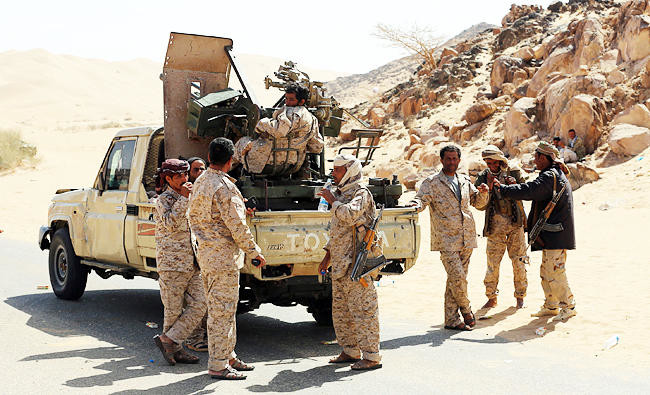
Abducted Yemenis kept in chains in Houthi jails
Abducted Yemenis kept in chains in Houthi jails


Latest updates


Recommended


© 2026 SAUDI RESEARCH & PUBLISHING COMPANY, All Rights Reserved And subject to Terms of Use Agreement.