MANILA: The death toll from a tropical storm in the southern Philippines climbed swiftly to 133 on Saturday, as rescuers pulled dozens of bodies from a swollen river, police said.
Tropical Storm Tembin has lashed the nation's second largest island of Mindanao since Friday, triggering flash floods and mudslides.
Rescuers retrieved 36 bodies from the Salog river in Mindanao on Saturday, as officials reported more fatalities in the impoverished Zamboanga peninsula.
“The river rose and most of the homes were swept away. The village is no longer there,” Tubod police officer Gerry Parami told AFP by telephone.
“The houses were toppled by mud and logs and only the stumps of a few concrete homes are left,” Parami said.
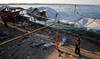
Police, soldiers and volunteers were digging through the rubble of Dalama, a farming village of about 2,000 people, using shovels in search of more bodies, he added.
Four others were killed in nearby towns and cities, police said, while seven people perished in Lanao del Sur province according to civil defense officials there.
Four people were listed as missing after being buried in landslides or being swept away by floodwaters, while more than 12,000 have fled their homes.
The Philippines is pummelled by 20 major storms each year on average, many of them deadly. But Mindanao, home to 20 million people, is rarely hit by these cyclones.
After slicing across Mindanao on Friday, Tembin sped west over the Sulu Sea with gusts of 95 kilometers an hour.
It was forecast to smash into the tip of the western island of Palawan late Saturday, the state weather service said.
Tembin struck less than a week after Tropical Storm Kai-Tak devastated the central Philippines, leaving 54 dead and 24 missing.
The deadliest typhoon to hit the country was Haiyan, which left 7,350 people dead and destroyed entire towns in heavily populated areas of the central Philippines in November 2013.


![]()

Philippines storm death toll rises to 133, many missing
Philippines storm death toll rises to 133, many missing


Latest updates




© 2026 SAUDI RESEARCH & PUBLISHING COMPANY, All Rights Reserved And subject to Terms of Use Agreement.