RIYADH: In an emergency, call 911 — but only if you can speak Arabic.
That was the lesson learned by an American expatriate who endured a frustrating time when she tried to make a report to the police operations center in Riyadh.
Now Minister of Interior Prince Abdulaziz bin Saud bin Naif has ordered an investigation into the police’s handling of the call, which was cut off because the woman spoke only English.
In a recording posted on social media, a staff member at the operations center can be heard asking colleagues if anyone speaks English.
The call was then cut off, but another staff member called the woman back and advised her to either speak Arabic, or find an Arabic speaker to make her report.
The ministry said the conduct of the operations center staff did not fulfill their responsibilities to serve citizens and expatriates alike.
The minister ordered that those responsible be held accountable, and that shortcomings in the 911 Riyadh operations center be addressed.
A senior security official told Arab News the minister would take the necessary measures after the investigation. Staff were expected to carry out their duties professionally, the official said. In the event of a language difficulty, they should refer to senior officers to resolve the issue.
The official said the 911 police operations center in Makkah was fully equipped and had multilingual staff. The Riyadh center had recently been partially upgraded, with completion expected by the end of the year.


![]()
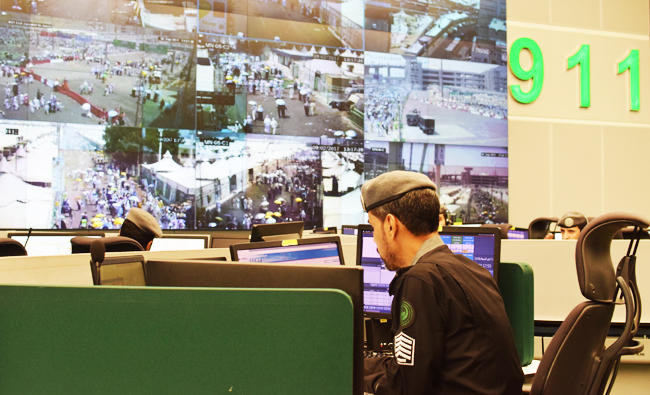
Saudi interior minister orders inquiry after language clash in 911 call
Saudi interior minister orders inquiry after language clash in 911 call


Latest updates


© 2026 SAUDI RESEARCH & PUBLISHING COMPANY, All Rights Reserved And subject to Terms of Use Agreement.