YANGON: Myanmar’s army burned down dozens of Rohingya homes within days of signing a refugee repatriation deal with Bangladesh, showing the agreement was a mere “public relations stunt,” Human Rights Watch said Monday.
The rights group, citing analysis of satellite imagery, said buildings in 40 villages were destroyed in October and November, increasing the total to 354 villages that had been partially or completely razed since last August.
Dozens of buildings were burned the same week Myanmar and Bangladesh signed a memorandum of understanding on November 23 to begin returning refugees from Bangladesh within two months, HRW said in a report.
“The Burmese army’s destruction of Rohingya villages within days of signing a refugee repatriation agreement with Bangladesh shows that commitments to safe returns were just a public relations stunt,” said Brad Adams, HRW’s Asia director, in the report, adding safety pledges for returnees could not be taken seriously.
Deadly attacks by Rohingya insurgents on August 25 prompted a ferocious military crackdown on the Muslim minority living in the north of Myanmar’s Rakhine state.
More than 655,000 of them have fled across the border to Bangladesh since then, bringing horrific accounts of rape, extrajudicial killing and arson.
The US and United Nations have described the process as ethnic cleansing. The UN rights chief has suggested the operation contains “elements of genocide.”
Responding to international pressure, Aung San Suu Kyi’s civilian government inked an agreement with Bangladesh in late November to start the repatriation of Rohingya refugees within two months.
But HRW said it was difficult to believe this could be carried out responsibly.
“Myanmar is playing the most cynical of games, with Aung San Suu Kyi and her team signing a refugee repatriation deal that contains no real guarantees of protection to returnees, while on the ground the security forces continue their campaign of torching the villages the Rohingya want to return to,” Phil Robertson, deputy director of HRW’s Asia division, told AFP.
Aid groups have said they will boycott any new camps set up in northern Rakhine.
Last week the group Doctors Without Borders released a survey which found that nearly 7,000 Rohingya had been killed in the Rakhine violence.
The military has put the number in the hundreds and denied targeting civilians or committing atrocities, while Suu Kyi said major security operations stopped in early September.
Myanmar has in the past blamed fires in villages on insurgents.
“I am not sure of the number of villages” affected, government spokesman Zaw Htay told AFP, without providing additional comment on the HRW report.


![]()
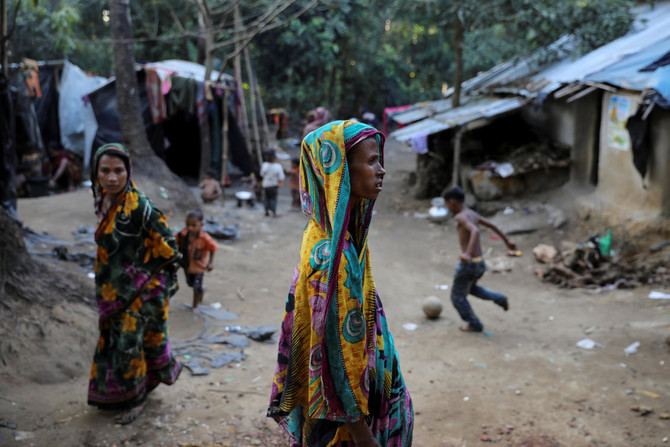
Myanmar burned Rohingya villages despite refugee deal: HRW
Myanmar burned Rohingya villages despite refugee deal: HRW


Latest updates


© 2026 SAUDI RESEARCH & PUBLISHING COMPANY, All Rights Reserved And subject to Terms of Use Agreement.