JEDDAH: The Organization of Islamic Cooperation (OIC) has deplored attempts to change the historical and legal status of the occupied city of Jerusalem.
In an extraordinary meeting of the OIC’s Committee of Permanent Representatives on Monday, a statement was issued expressing concern over the US administration’s plans to change the city’s status.
The statement reaffirmed the centrality of the Palestinian cause, especially Jerusalem, to the entire Islamic Ummah as OIC’s ultimate and permanent headquarters.
It also confirmed the Arab and Islamic identity of East Jerusalem, the capital of the occupied Palestinian territories, and condemned illegal measures that aim to impose Israeli control, which will contribute to changing the status, demography and identity of this holy city.
The committee also condemned all statements and stances announced by US officials that defied Islamic holy places, explaining that there will be grave consequences to anything that poses a threat to international peace and security.
“The Islamic Ummah and OIC member states will not accept any hostile action that compromises the status of Jerusalem, and the OIC will work on immediately putting its resolutions into action,” the statement said.
The statement reiterated the sovereignty of the Palestinian state in all Palestinian territories that were occupied in 1967, including East Jerusalem, and in its borders with neighboring countries. The OIC pledged to stand in the way of any step that would negatively affect this.
The committee’s statement stressed that all legislative and administrative measures taken by Israel, the occupying state, to impose its regulations on Jerusalem are illegal and, therefore, null and illegitimate, according to the UN’s resolutions, and called upon it to distinguish between Israel and the Palestinian territories occupied since 1967, including Jerusalem.
OIC also called on all member states to cut ties with any official or non-official body that recognizes Israel’s annexation of the Holy City or transfers the city’s representation to Israel.
According to the statement, the road to achieving peace and security in the Middle East begins by not recognizing what Israel is doing and compelling it to withdraw from Palestine, especially Jerusalem, in the implementation of relevant international resolutions.
The OIC pointed out that if the US takes a step toward recognizing Jerusalem as the “capital of Israel,” the organization unanimously recommends holding an emergency meeting of the Council of Foreign Ministers and then an emergency Islamic summit, provided a date and location are decided.


![]()
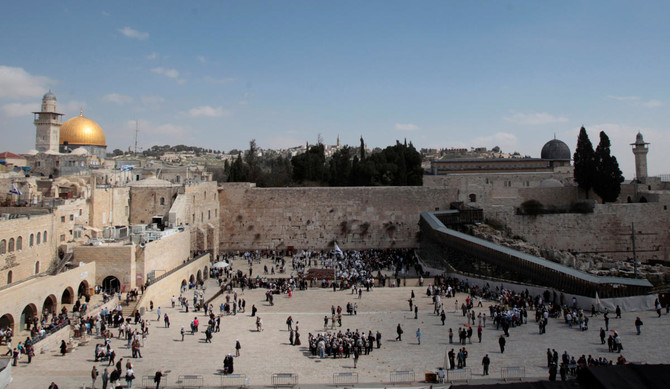
Organization of Islamic Cooperation says no compromise on Jerusalem
Organization of Islamic Cooperation says no compromise on Jerusalem
Latest updates


© 2026 SAUDI RESEARCH & PUBLISHING COMPANY, All Rights Reserved And subject to Terms of Use Agreement.